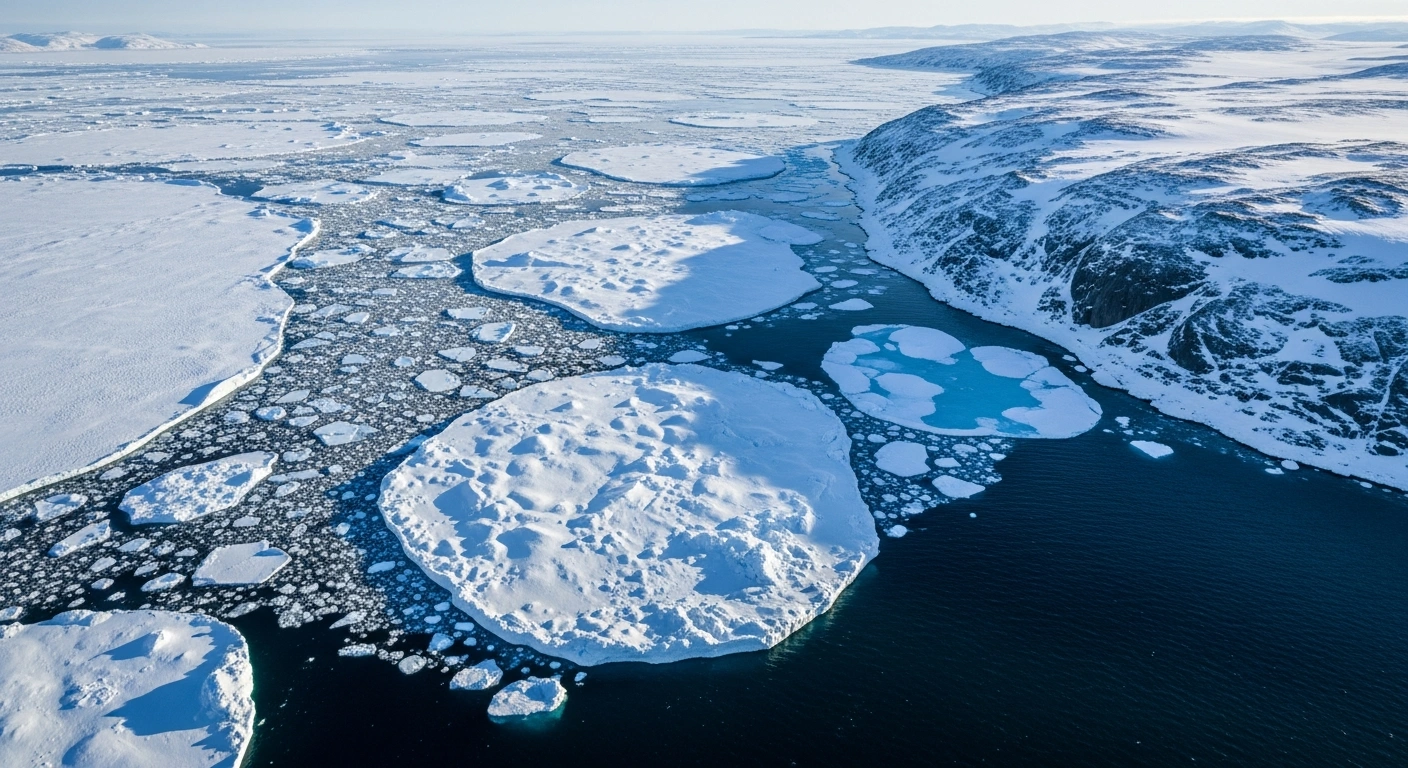
New Study Warns of Rapid Arctic Winter Sea Ice Loss and Greenland Ice Sheet Risks
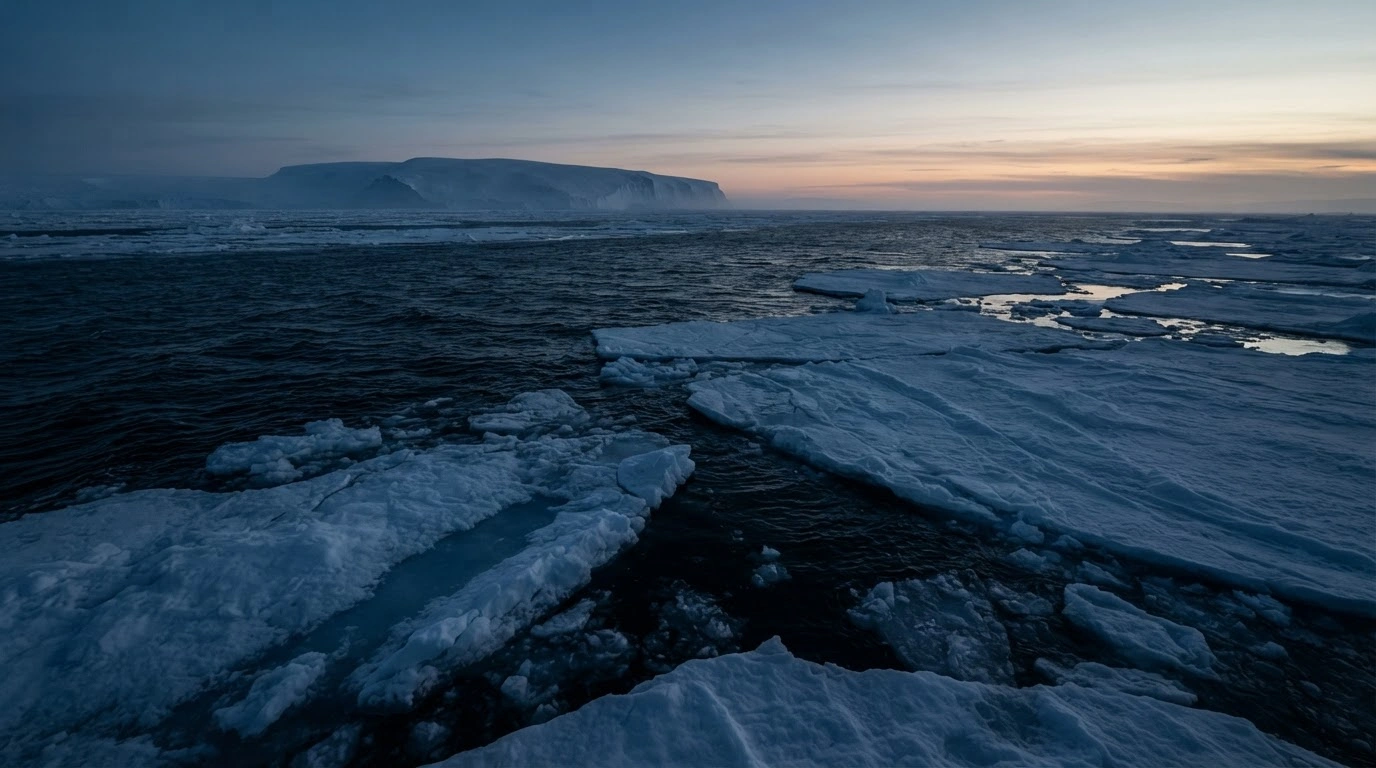
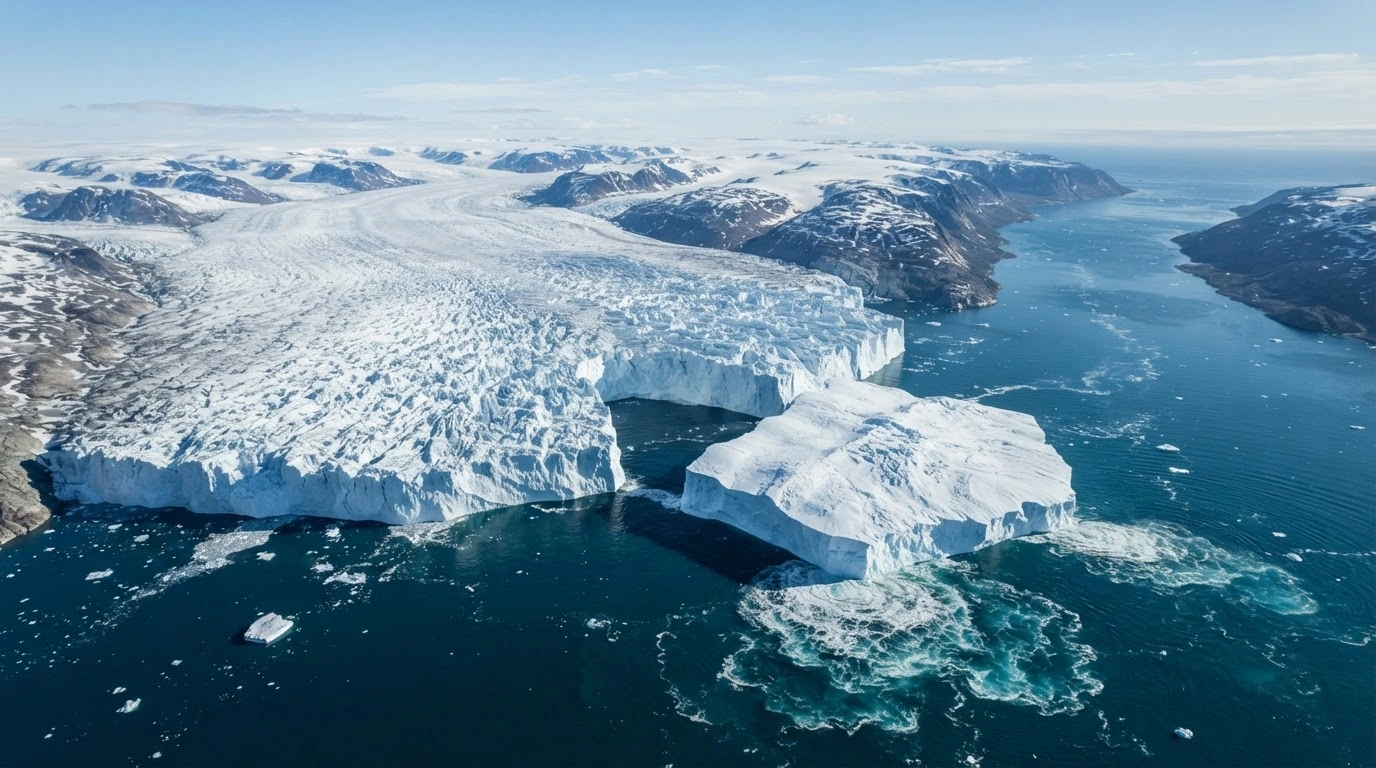
Recent research published in Nature Geoscience reveals that Arctic winter sea ice is declining faster than anticipated. The study highlights critical implications for the stability of the Greenland ice sheet, suggesting that the loss of protective sea ice could accelerate melting processes and contribute to global sea-level rise.
Ancient Sediment Reveals Greenland Ice Sheet Vulnerability at Former Military Site
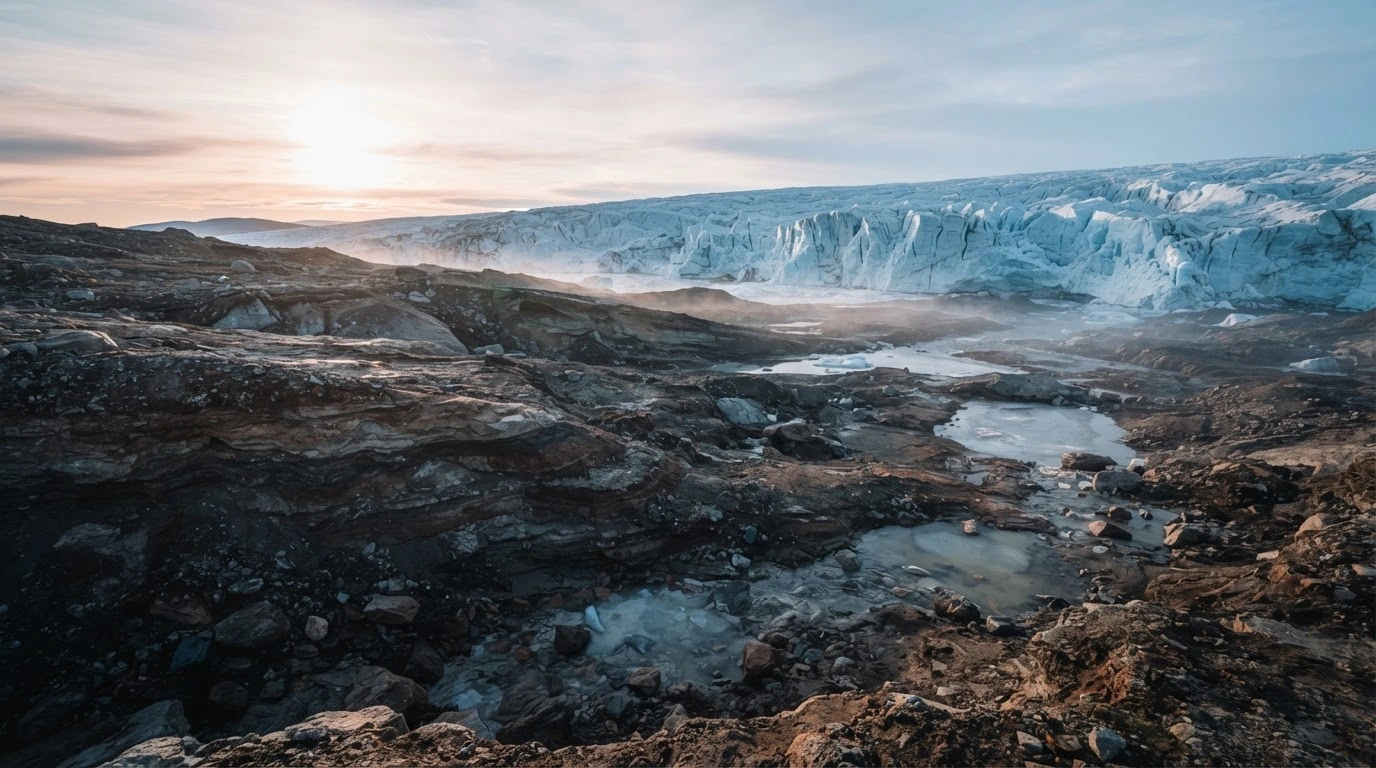
A University at Buffalo-led study of sediment from Camp Century, a former U.S. military base in Greenland, reveals the ice sheet was ice-free during a past warm period. The findings suggest the Greenland Ice Sheet is more sensitive to climate change than previously understood, providing critical insights into historical sea-level rise and future environmental stability.
European Union Strengthens Arctic Engagement with Focus on Greenland Connectivity
The European Union is intensifying its Arctic strategy, prioritizing enhanced connectivity and security in the region. Key initiatives include plans for a submarine cable link to Greenland to bolster digital infrastructure, reflecting the EU's commitment to deepening ties with the territory amid evolving geopolitical dynamics and increased strategic interest in the High North.
United States Outlines Strategic Military Expansion in Greenland
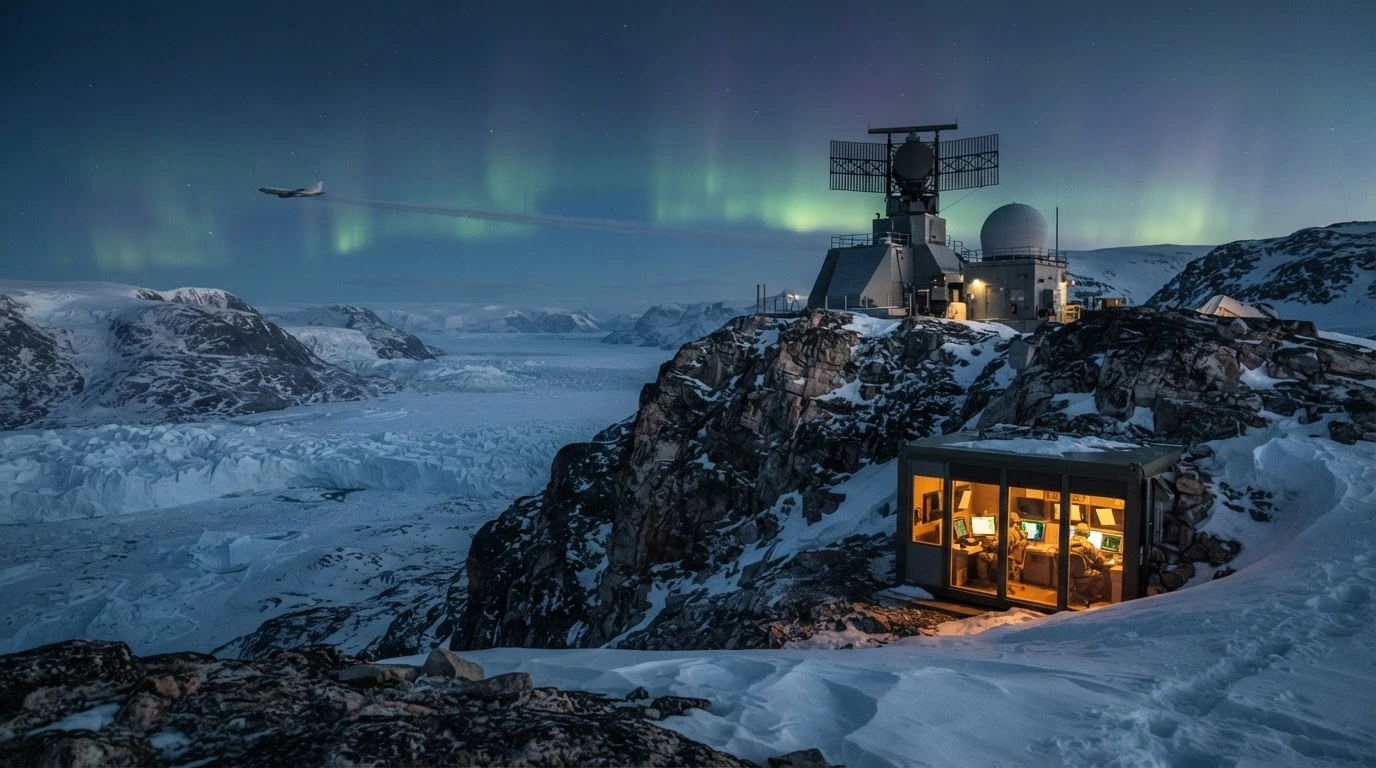
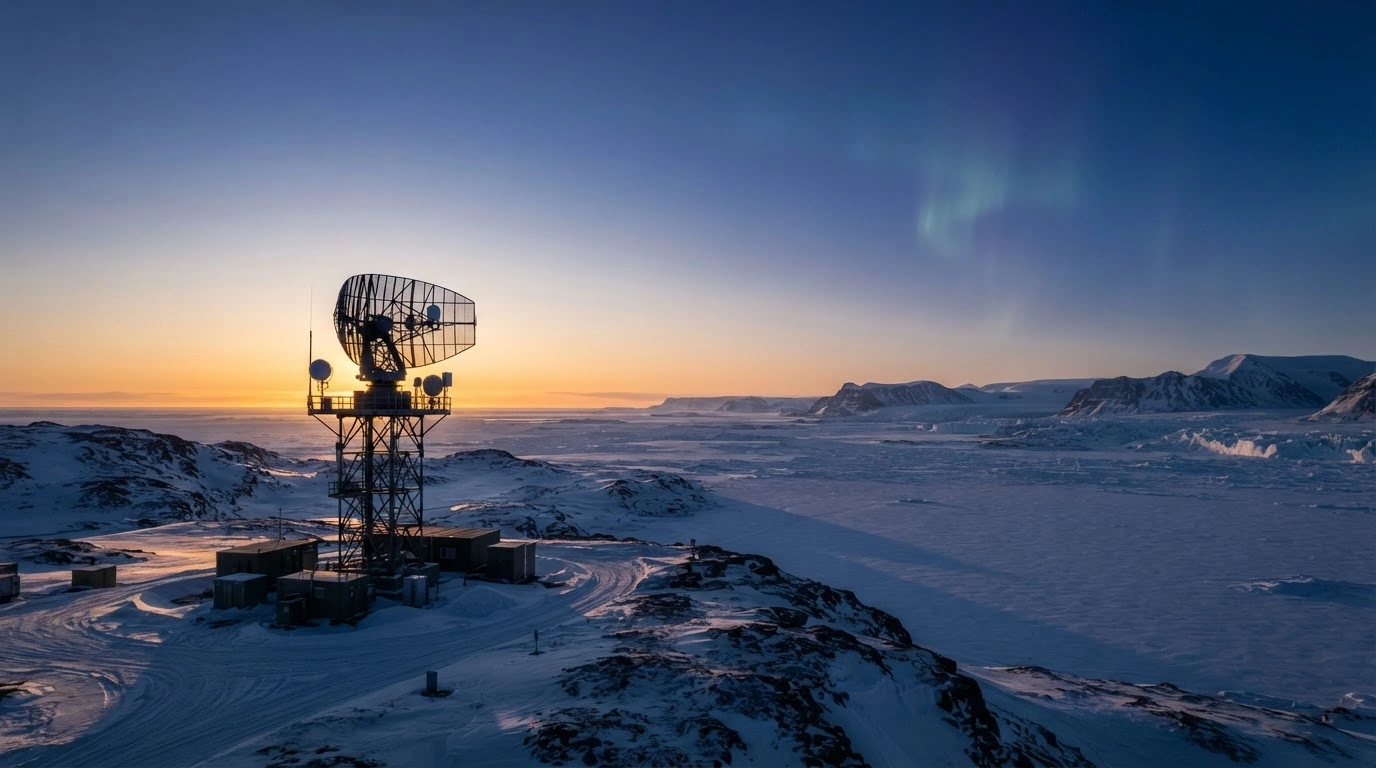
The United States is advancing plans to bolster its military presence in Greenland by 2027. The initiative includes significant modernization efforts at the Pituffik Space Base and the development of two additional military installations, reflecting the growing strategic importance of the Arctic region in global defense and space surveillance operations.
Greenland Parliament Moves to Implement Moratorium on Deep-Sea Mining
Greenland's parliament has unanimously voted to draft legislation establishing a temporary ban on deep-sea mining. The moratorium, which is intended to remain in effect through 2029, reflects growing environmental concerns regarding the potential impact of mineral extraction on Arctic marine ecosystems and the precautionary approach favored by lawmakers.
Danish Parliament Set to Vote on Expanded U.S. Defense Presence in Greenland
The Danish Parliament is preparing to vote on a significant defense agreement involving the United States and Greenland. The pact aims to formalize the establishment of two new military bases in Greenland, strengthening Arctic security cooperation and reinforcing the strategic partnership between the three nations in the North Atlantic region.
Danish Lawmaker Addresses Arctic Security and U.S.-Greenland Relations
A senior Danish lawmaker has reaffirmed the importance of the trilateral security framework between Denmark, the United States, and Greenland. While expressing satisfaction with current cooperation, the official highlighted the need for vigilance regarding evolving geopolitical dynamics and potential shifts in future Arctic security policies.
U.S. Northern Command Strengthens Arctic Security Framework with Enhanced Coordination
U.S. Northern Command is finalizing a strategic agreement to bolster Arctic security, integrating oversight and coordination across military commands. This initiative emphasizes the critical role of Greenland in regional defense, aiming to improve domain awareness and operational readiness in an increasingly accessible and contested Arctic environment.
NATO Strengthens Arctic Security Framework Amid Shifting Geopolitical Landscape
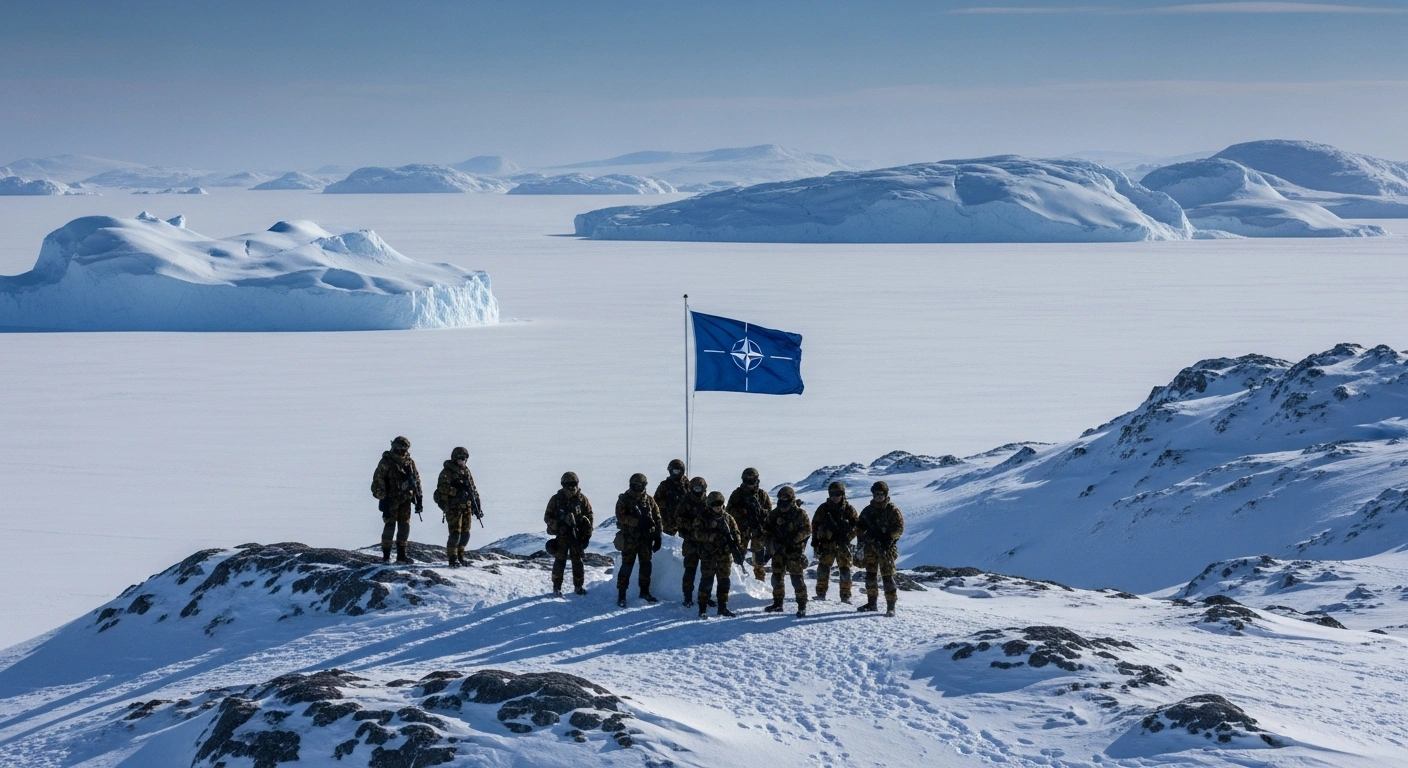
Danish officials have announced a strategic shift in Arctic security, moving toward increased NATO oversight for the region. This transition aims to move beyond the traditional bilateral control held by the United States and Denmark, integrating Greenland and the broader Arctic territory into a more unified, alliance-based defense strategy to address evolving regional security challenges.
Greenland and Antarctica Ice Loss Exceeds 11 Trillion Tons Since 1970s
A comprehensive scientific analysis reveals that Greenland and Antarctica have collectively lost over 11 trillion tons of ice since the 1970s. This massive reduction in polar ice mass is a primary driver of global sea level rise, highlighting the accelerating impact of climate change on the world's largest ice sheets over the past several decades.
French Air Force Completes Strategic Arctic Deployment During Global Power Projection Mission
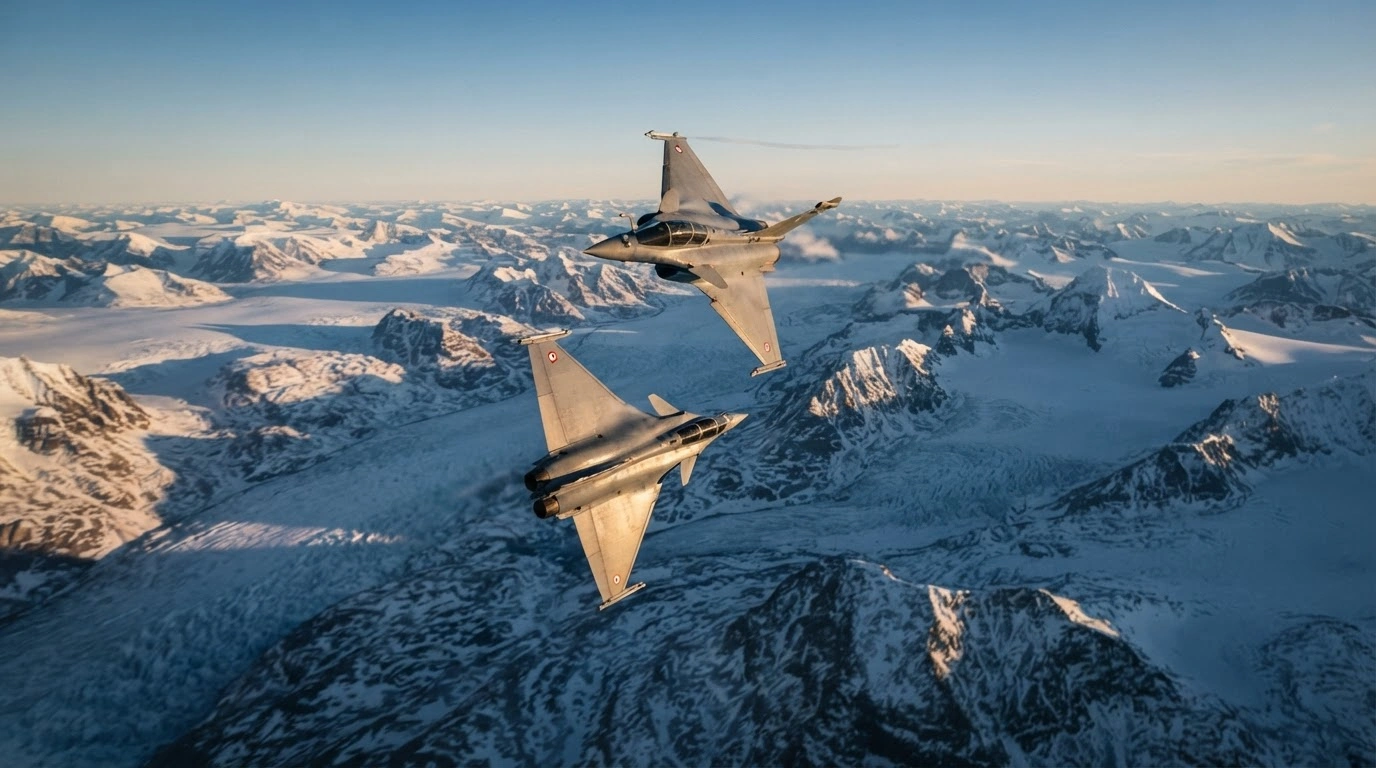
As part of the 'Pégase 2023' mission, French Air and Space Force fighter jets executed a long-range deployment over Greenland and Alaska. This 40-day operation demonstrated France's capacity to project air power rapidly across the globe, highlighting the strategic importance of the Arctic region and strengthening interoperability with international allies.
Denmark, Greenland, and U.S. Engage in High-Level Strategic Negotiations
Danish Foreign Minister Lars Løkke Rasmussen has expressed cautious optimism regarding ongoing trilateral negotiations between Denmark, Greenland, and the United States. The talks focus on strengthening cooperation in the Arctic region, addressing security concerns, and enhancing economic ties among the three partners as geopolitical interest in the North Atlantic grows.
Greenland Oil and Gas Exploration Projects Face One-Year Delay
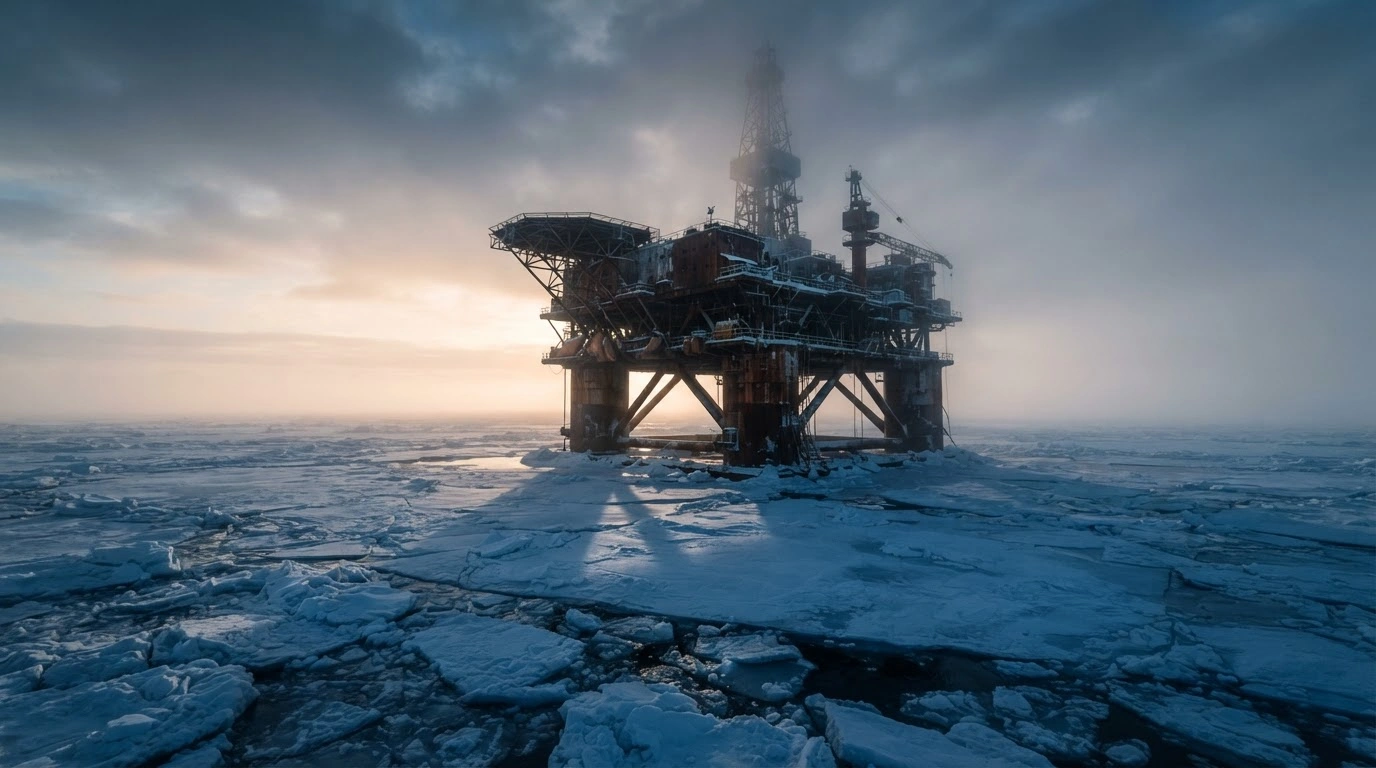
Greenland has officially extended the timeline for oil and gas exploration activities by one year. The decision reflects the government's ongoing shift in energy policy, prioritizing environmental sustainability and climate commitments over the expansion of fossil fuel extraction in the Arctic region.
Greenland Government Announces New Technical Regulations for Cod and Shrimp Fisheries
The Government of Greenland has finalized new technical regulations governing cod and shrimp fisheries. These measures, aimed at ensuring sustainable marine resource management, are scheduled to be implemented across the region starting September 15, 2026, impacting commercial fishing operations and environmental oversight in Greenlandic waters.
NASA Satellite Imagery Confirms Major Iceberg Calving at Greenland's Petermann Glacier
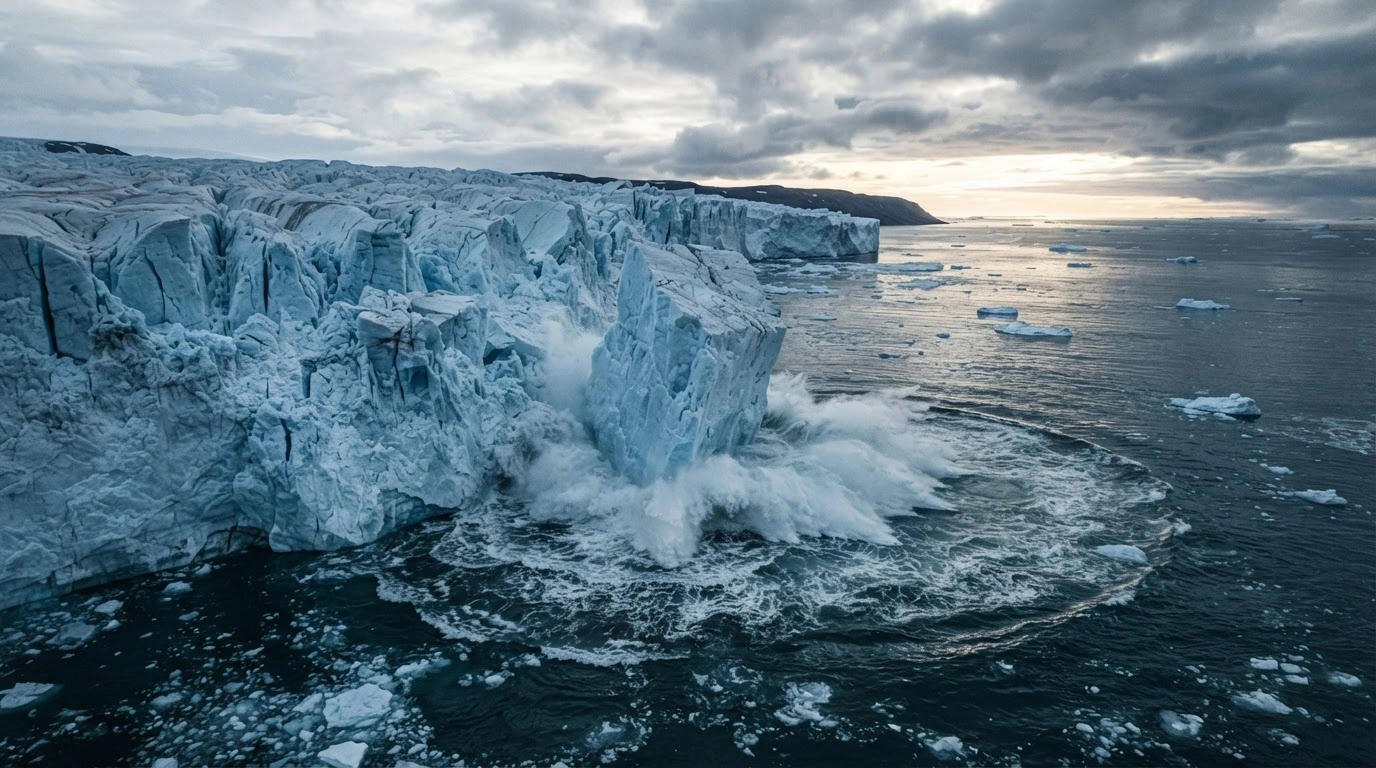
NASA satellite imagery has confirmed a significant iceberg calving event at the Petermann Glacier in northwest Greenland during the summer of 2026. This event, observed by orbital monitoring systems, highlights ongoing changes to one of Greenland's largest outlet glaciers as researchers continue to study the impact of warming temperatures on Arctic ice shelves.
European Commission President Postpones Greenland Visit Amid Danish Coalition Negotiations
European Commission President Ursula von der Leyen has postponed her scheduled visit to Greenland. The decision follows the complexities of ongoing coalition government negotiations in Denmark, which have necessitated adjustments to official diplomatic schedules and high-level engagements in the region.
British Firm 80 Mile Postpones Greenland Oil Exploration Until 2027
British energy company 80 Mile has officially delayed its exploratory oil drilling project in Greenland. The decision to push the timeline to 2027 follows increasing regulatory scrutiny and heightened geopolitical tensions surrounding Arctic resource extraction and environmental oversight in the region.
Belgium to Deploy Military Personnel to Greenland for NATO Arctic Mission
Belgium has announced plans to deploy military personnel to Greenland this September. The mission, conducted under the NATO framework, aims to bolster regional security and enhance cooperation in the Arctic, a region of increasing strategic importance for the alliance.
British Antarctic Survey Launches GIANT Project to Study Greenland Glacier Melt
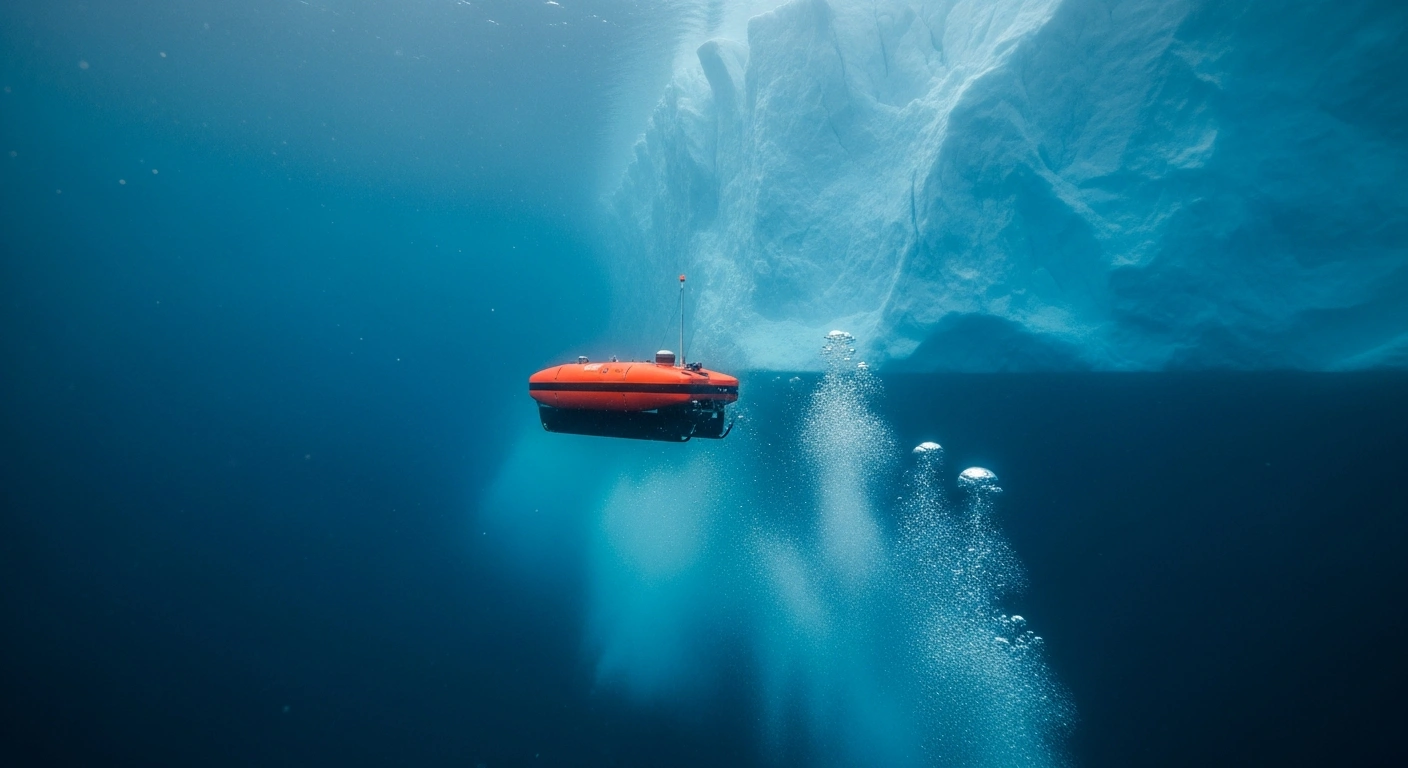
The British Antarctic Survey has initiated the GIANT project, deploying advanced marine robots to Greenland to investigate the melting of tidewater glaciers. This research aims to provide critical data on how glacial retreat influences global climate systems and sea-level rise, utilizing autonomous technology to explore previously inaccessible underwater environments.
Copernicus Sentinel-2 Imagery Tracks Dynamic Sea Ice Movement Off Greenland Coast
The Copernicus Sentinel-2 mission has captured detailed imagery of Arctic sea ice drifting along Greenland's east coast. These observations provide critical data on how ocean currents and atmospheric conditions influence ice transport, offering scientists deeper insights into the evolving climate dynamics of the Arctic region.