U.S. State Department Announces Potential $24.3 Billion F-35 Sale to Saudi Arabia
The U.S. State Department has announced a proposed $24.3 billion foreign military sale to Saudi Arabia, including 48 F-35 Lightning II fighter jets. This significant defense agreement aims to bolster regional security and enhance the interoperability of Saudi forces with U.S. military systems in the Middle East.
Military Chiefs Convene in Paris to Discuss Support for Lebanese Armed Forces
Military leaders from Europe and Arab nations have gathered in Paris to coordinate support for the Lebanese Armed Forces. The high-level talks focus on strengthening Lebanon's military capabilities and maintaining regional stability as the United Nations Interim Force in Lebanon (UNIFIL) mandate approaches its scheduled expiration.
Donald Trump Criticizes Brazilian Security Strategy Regarding Organized Crime
Former U.S. President Donald Trump has publicly criticized the Brazilian government's handling of powerful organized crime syndicates. The remarks focused on the influence of groups such as the PCC and CV, highlighting concerns over regional security and the effectiveness of current law enforcement strategies in Brazil.
U.S. Congress Passes Sweeping Sanctions Against Russia
The U.S. Congress has enacted comprehensive sanctions targeting Russia, aimed at addressing international tensions and penalizing specific state activities. The legislation imposes significant economic restrictions, impacting various sectors of the Russian economy and reinforcing the United States' commitment to its foreign policy objectives regarding the region.
President Donald Trump has officially designated September 17 through September 23, 2026, as Constitution Week. The proclamation honors the signing of the U.S. Constitution in 1787 and encourages citizens to reflect on the document's enduring role in American governance and the protection of fundamental liberties.
President Tinubu Congratulates Kwara Governor AbdulRazaq on Sardauna of Ilorin Title
President Bola Tinubu has extended his congratulations to Kwara State Governor AbdulRahman AbdulRazaq following his turbaning as the Sardauna of Ilorin. The prestigious traditional title was conferred upon the Governor by the Emir of Ilorin, Dr. Ibrahim Sulu-Gambari, in recognition of his contributions to the state and the Ilorin Emirate.
President Trump Identifies 23 Countries in Annual Major Illicit Drug Producing and Transit List
President Trump has submitted the annual 'Major's List' to Congress, naming 23 countries identified as major illicit drug producing or transit nations. The report highlights the administration's ongoing focus on international cooperation and border security to combat the flow of narcotics into the United States.
President Macron Inaugurates France's Universal National Service in Orange
President Emmanuel Macron officially inaugurated the first phase of France's Universal National Service (SNU) in Orange. This voluntary program aims to foster social cohesion and civic engagement among young people through military-style training and community service, marking a significant milestone in the administration's youth policy initiatives.
U.S. House Passes Resolution to Limit Presidential War Powers Regarding Iran
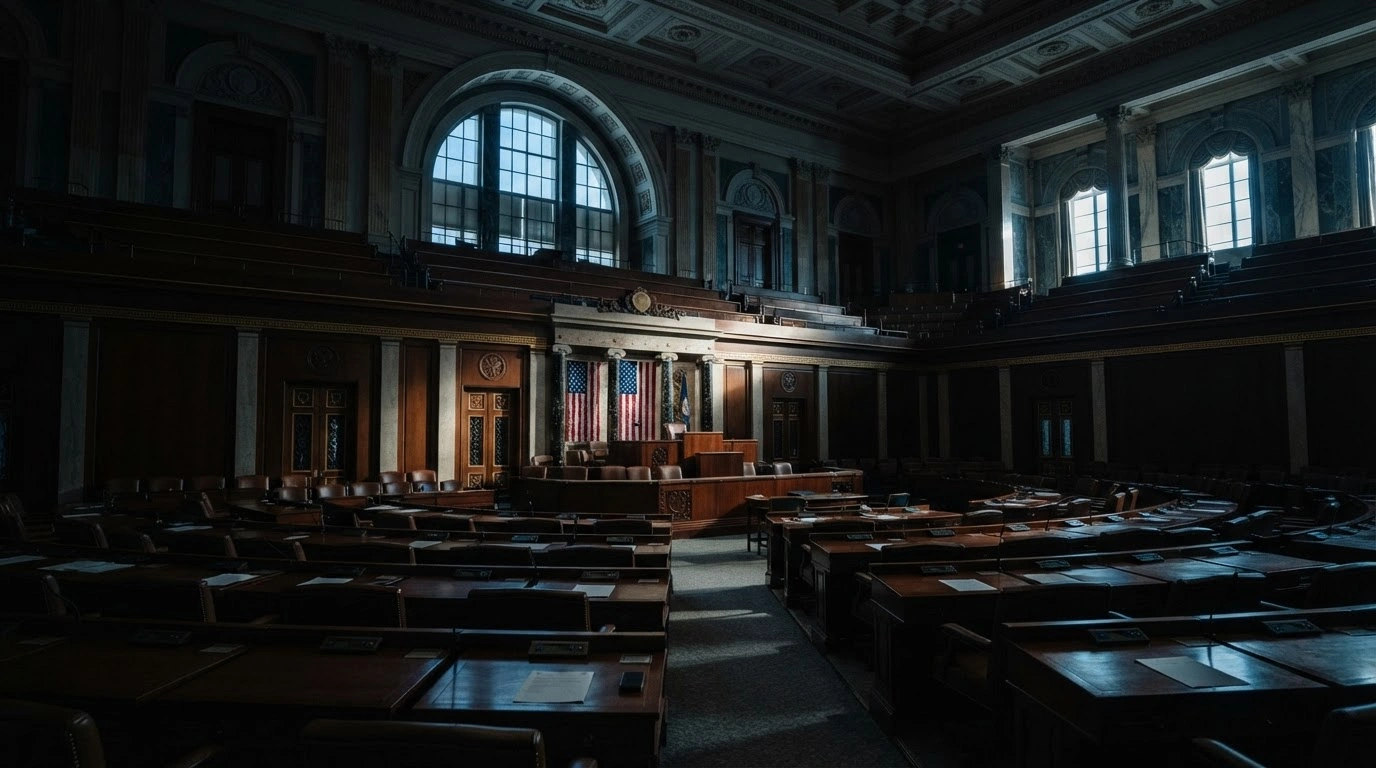
The U.S. House of Representatives has passed a war powers resolution aimed at restricting the President's authority to initiate military action against Iran without explicit Congressional approval. This legislative move marks the third time the House has sought to assert its constitutional role in matters of war, reflecting ongoing debates over executive branch military oversight.
Saudi Crown Prince Mohammed bin Salman Meets with US Central Command Chief in Jeddah
Saudi Crown Prince Mohammed bin Salman held discussions with US Central Command chief Admiral Brad Cooper in Jeddah. The meeting focused on strengthening bilateral defense cooperation and addressing critical regional security developments, highlighting the ongoing strategic partnership between Saudi Arabia and the United States.
Governor General Receives Credentials from Nine New Heads of Mission
Governor General Louise Arbour presided over a formal ceremony at Rideau Hall to accept the credentials of nine new heads of mission. This event marks the official commencement of their diplomatic service in Canada, strengthening international ties and formalizing the presence of these representatives in the nation's capital.
2026 NTI Nuclear Security Index Highlights Deterioration in U.S. Security Conditions
The 2026 NTI Nuclear Security Index has identified a notable decline in nuclear security conditions within the United States. The report highlights emerging vulnerabilities and calls for urgent policy improvements to address gaps in the protection of nuclear materials and facilities across the country.
Senator Mitch McConnell Returns to U.S. Senate Following Medical Leave
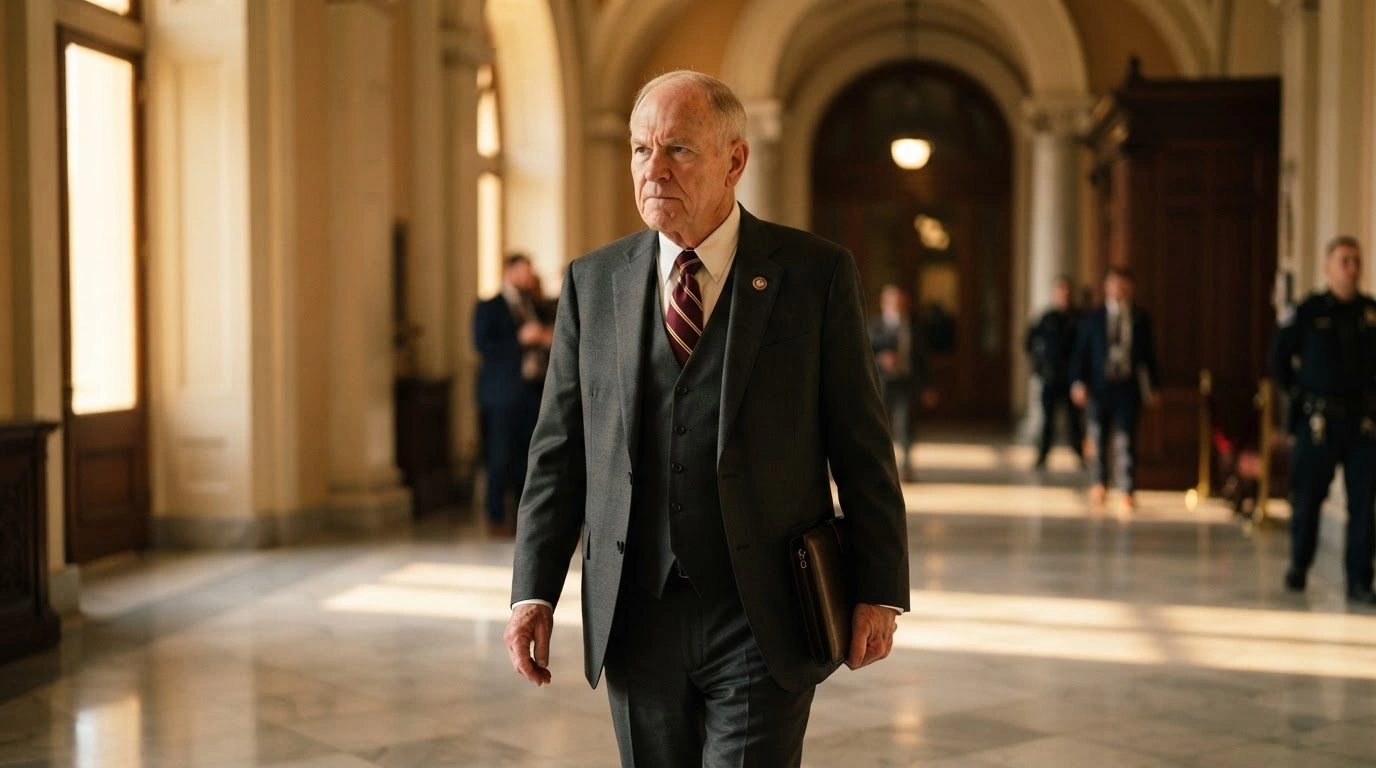
Senate Minority Leader Mitch McConnell has officially returned to the U.S. Capitol after a three-month absence. The Kentucky Republican resumed his legislative duties following a period of recovery from a concussion and rib fracture sustained after a fall in March 2023. His return marks a significant moment for Senate leadership as the chamber addresses upcoming legislative priorities.
Federal Judge Blocks Trump Administration Restrictions on Student and Journalist Visas
A U.S. federal judge has issued a preliminary injunction halting the implementation of Trump administration rules that would have imposed fixed time limits on visas for foreign students, exchange visitors, and journalists. The court's decision prevents the Department of Homeland Security from enforcing the policy, citing potential irreparable harm to academic and media institutions.
Cosatu Convenes National Congress to Elect New Leadership
The Congress of South African Trade Unions (Cosatu) has gathered for its national congress in South Africa. The event serves as a critical platform for the labor federation to elect new leadership, deliberate on pressing economic policies, and address the future direction of the organization amidst a challenging national socio-economic landscape.
U.S. Lawmakers Introduce New Amendments to Expand Russia Sanctions
U.S. lawmakers have introduced new legislative amendments aimed at intensifying pressure on the Russian Federation. The proposed measures focus on tightening restrictions on Russia's oil trade and implementing secondary tariffs on international trading partners who continue to engage with the Russian energy sector, marking a significant escalation in current economic sanctions.
US President Trump Announces Removal of Tariffs on Irish Whiskey
During a visit to County Clare, Ireland, US President Donald Trump announced the removal of a 10% tariff on Irish whiskey imports. The decision marks a significant development for the Irish spirits industry, which had faced trade pressures. The move aims to ease trade tensions and support the export market for one of Ireland's most iconic products in the United States.
President Macron and Prime Minister Carney to Visit Saint-Pierre-et-Miquelon Amid Sovereignty Discussions
French President Emmanuel Macron and Canadian Prime Minister Mark Carney are scheduled to visit the French overseas collectivity of Saint-Pierre-et-Miquelon. The joint visit aims to underscore the territorial integrity of the islands following recent international discussions regarding maritime boundaries and regional sovereignty.
The United States national debt has officially exceeded $40 trillion, sparking renewed debate among policymakers. Utah Governor Spencer Cox and other officials have voiced significant concerns regarding the long-term economic implications of this fiscal threshold and the trajectory of federal spending.
French UN Mission Issues Apology Following Social Media Post Regarding U.S. Voting Record
The French mission to the United Nations has issued a formal apology after a social media post criticized the United States' voting record at the UN. The incident prompted a swift response from French officials, who acted to reaffirm the enduring diplomatic alliance and strategic partnership between France and the United States.