Satellite Imagery Reveals Reconstruction Efforts at Iran's Taleghan 2 Site
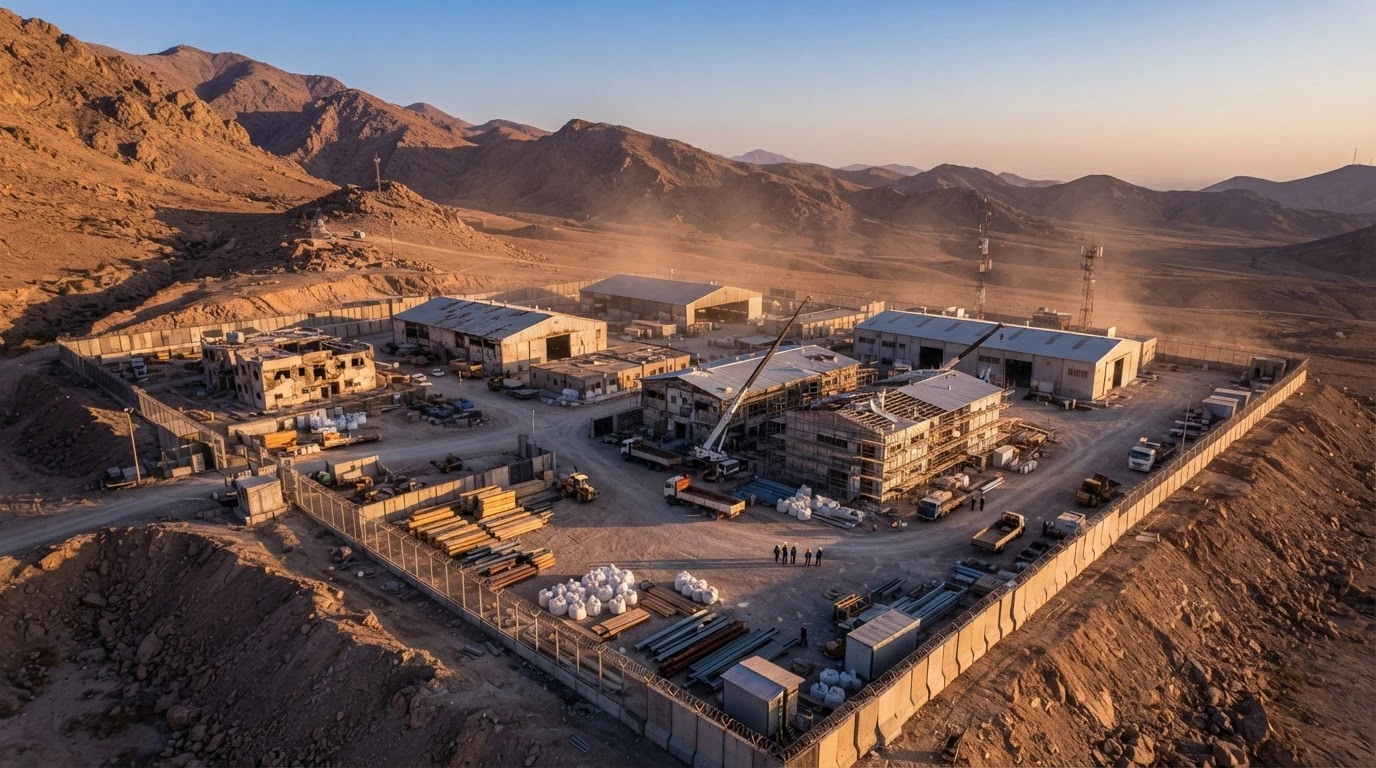
Recent satellite imagery shows signs of reconstruction at the Taleghan 2 facility in Iran, a site previously targeted in military strikes. The facility, located southeast of Tehran, has been identified by international observers as having historical ties to Iran's nuclear research programs, raising questions about the nature of the ongoing construction activity.
Pentagon Inspector General Report Highlights Munitions and Equipment Challenges Amid Regional Tensions
A recent Pentagon inspector general report warns of critical munitions shortfalls and equipment losses linked to ongoing regional operations involving Iran. The findings underscore significant logistical strains on U.S. military readiness as the Department of Defense evaluates the sustainability of current defense postures in the Middle East.
2026 NTI Nuclear Security Index Highlights Security Deterioration in Russia and the United States
The 2026 NTI Nuclear Security Index has identified a concerning decline in nuclear security conditions across Russia and the United States. The report highlights growing geopolitical tensions and the erosion of international cooperation as primary drivers behind the weakening of global nuclear security frameworks and material protection standards.
Japan Continues Deliberations on Long-Term Defense Spending Strategy
Japanese officials are engaged in ongoing discussions regarding the nation's defense budget trajectory. The deliberations focus on sustaining increased military investment to meet international benchmarks, addressing regional security challenges, and balancing fiscal responsibility within the government's long-term policy framework.
NIST Researchers Develop Quantum Sensors to Enhance Nuclear Material Monitoring
The National Institute of Standards and Technology (NIST) has unveiled new quantum sensor technology designed to improve the detection and monitoring of nuclear materials. By leveraging quantum states, these sensors offer increased sensitivity and precision, potentially transforming how nuclear safeguards and security operations are conducted in the United States and beyond.
Pentagon Reports Critical Shortage of Missile Interceptors Amid Global Defense Demands
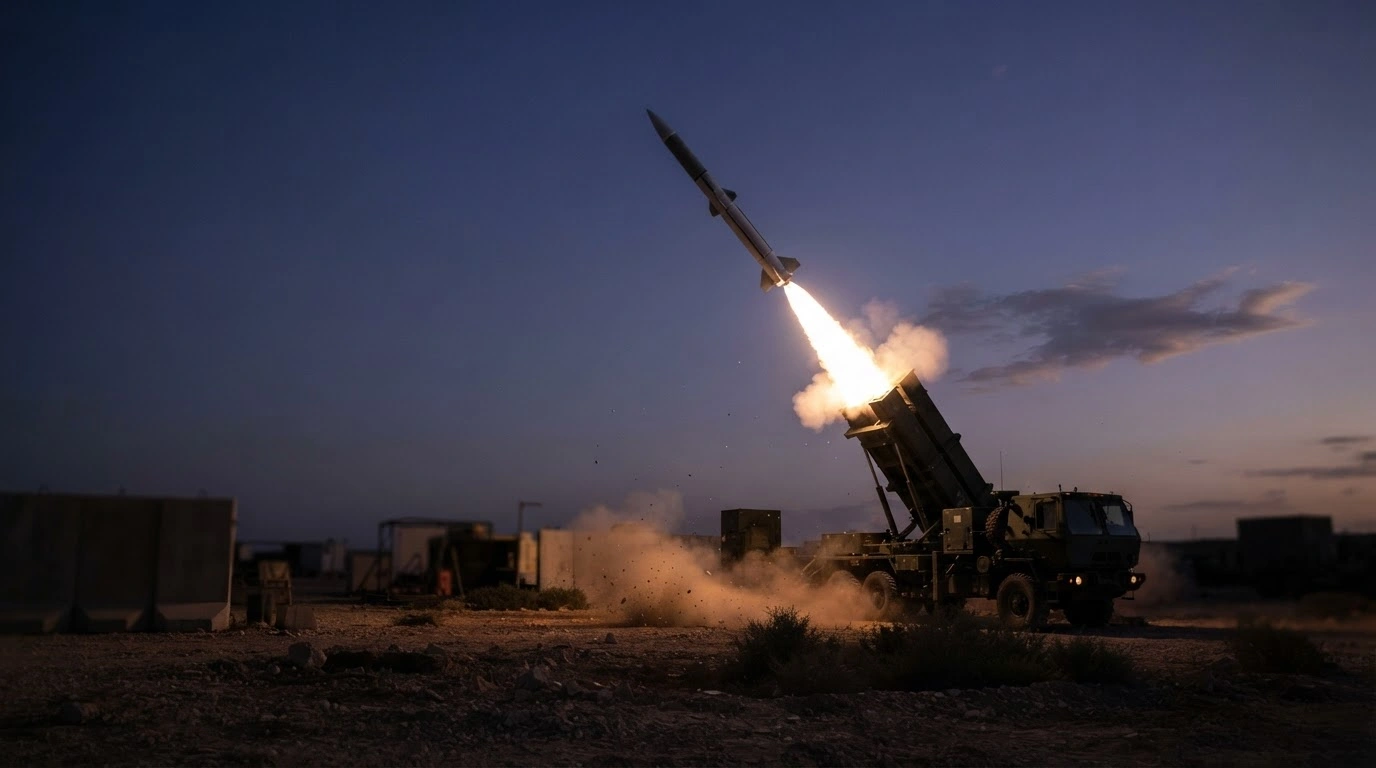
The U.S. Department of Defense is grappling with a critical shortage of advanced missile interceptors as high operational tempos in Europe and the Middle East strain stockpiles. Officials warn that sustained demand for air defense systems, driven by ongoing regional conflicts, is outpacing current production capacity and challenging military readiness.
Germany Announces Major Investment in Long-Range Precision Strike Capabilities
Germany has unveiled a strategic initiative to bolster its defense capabilities through a multi-billion euro investment in long-range cruise and hypersonic missile systems. The program aims to address critical gaps in the nation's conventional deterrence posture and align with broader NATO defense objectives in response to the evolving European security landscape.
Greece Maintains Leading Defense Spending Position Within Euro Area
Greece continues to record one of the highest defense-to-GDP ratios among Euro area nations. Driven by regional security concerns and modernization efforts, the country consistently allocates a significant portion of its national budget to military expenditures, remaining well above the NATO guideline of 2 percent of GDP.
Pentagon Issues Directive to Defense Industry to Accelerate Munitions Production
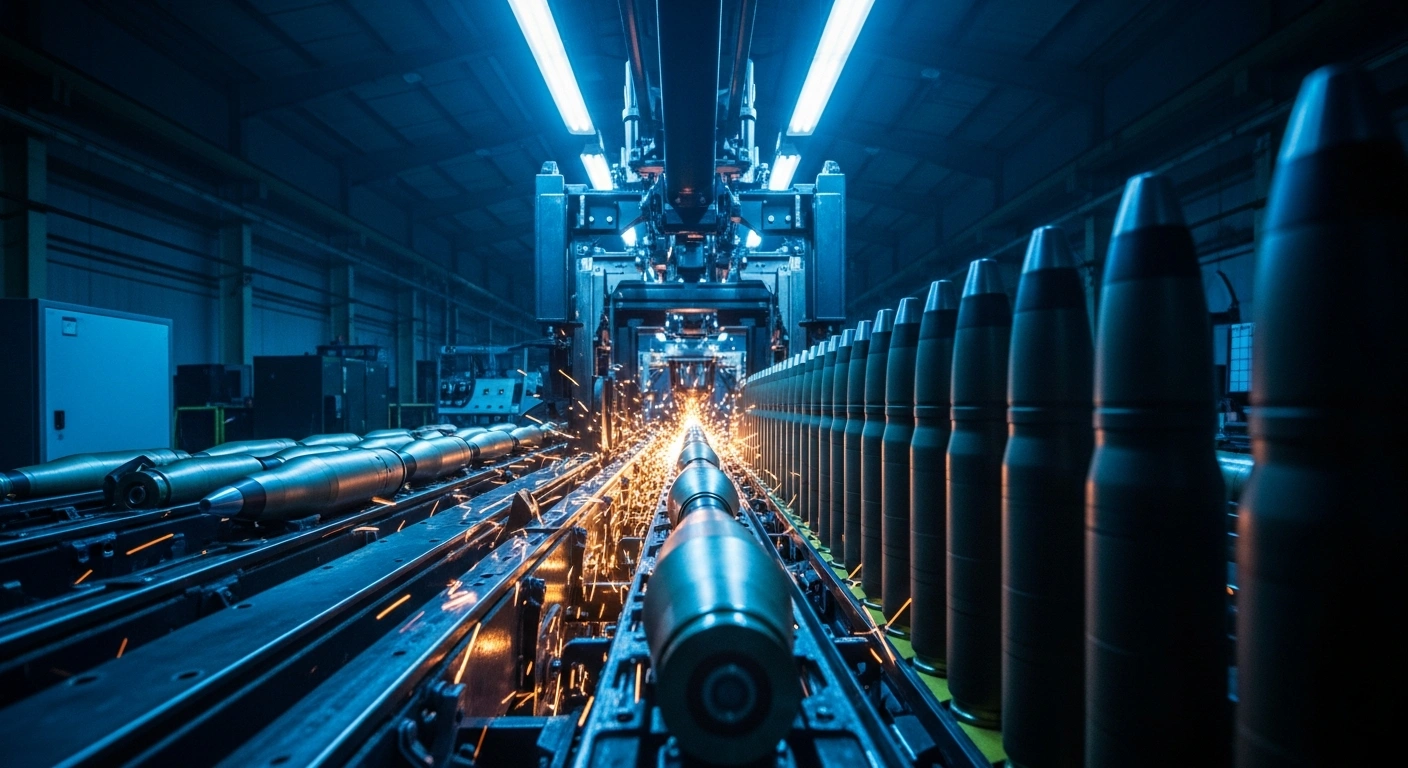
The U.S. Department of Defense has issued a new directive to major defense contractors, urging an immediate acceleration in the production of critical munitions. The move comes as the Pentagon seeks to replenish stockpiles amid heightened regional tensions and ongoing security commitments in the Middle East involving Iran and its proxies.
Assessment of US Long-Range Precision Missile Stockpiles Amid Regional Tensions
Reports regarding the depletion of US long-range precision missile stockpiles, including ATACMS, have surfaced amid ongoing regional tensions involving Iran. Defense officials and analysts are evaluating current inventory levels and the impact on military readiness as the United States continues to support allies and maintain a global security posture.
Russia's RS-28 Sarmat ICBM Program Faces Continued Development Challenges
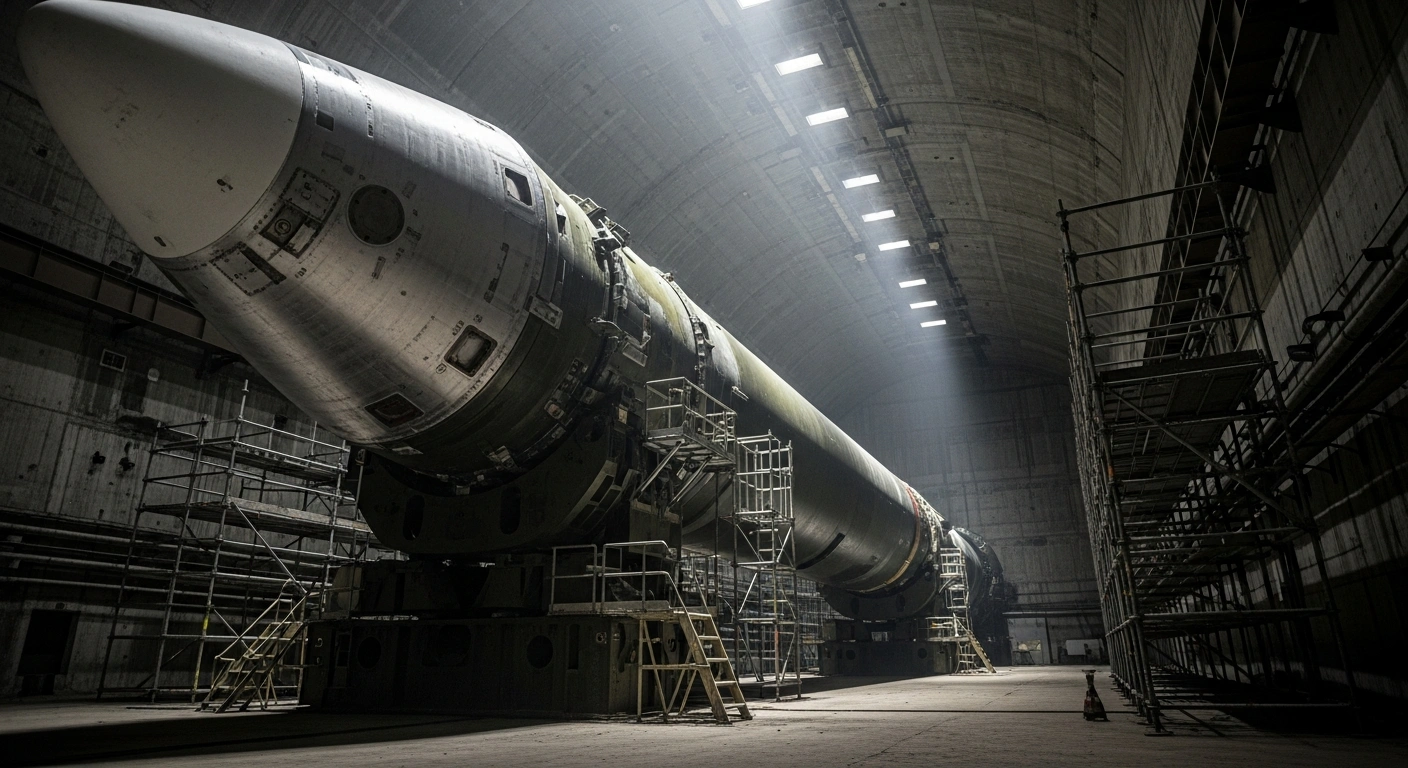
The Russian Federation's RS-28 Sarmat intercontinental ballistic missile program is reportedly experiencing significant development delays. Despite being touted as a cornerstone of Russia's nuclear triad, recent assessments and reports indicate that the heavy-lift missile system has struggled with testing milestones and operational readiness timelines.
Russian Presidential Aide Nikolai Patrushev Confirms Naval Nuclear Forces Readiness
Russian Presidential aide Nikolai Patrushev has announced that the Russian Federation's naval strategic nuclear forces are currently at full combat readiness. The statement underscores the ongoing emphasis on the country's maritime nuclear deterrent capabilities amidst current geopolitical tensions.
Australia's Defence Minister Warns of Regional Arms Race Following Chinese Missile Test
Australian Minister for Defence Industry Pat Conroy has warned that the Indo-Pacific is experiencing an arms race. The comments follow China's recent intercontinental ballistic missile test in the Pacific Ocean, prompting concerns from Canberra regarding regional stability and the need for enhanced defense capabilities.
Majority of Germans Unwilling to Take Up Arms for National Defense, Survey Finds
A recent Forsa Institute survey indicates that 59% of German citizens would refuse to take up arms to defend their country in the event of an attack. The findings highlight ongoing public debate regarding national security, military readiness, and the role of the Bundeswehr in the current geopolitical climate.
Japan and U.S. Strengthen Defense Ties with Accelerated Missile Production Agreement
Japanese and U.S. defense officials have reached a landmark agreement to accelerate the joint production of advanced missile systems. This initiative aims to bolster regional security and military capabilities, addressing evolving threats in the Indo-Pacific through enhanced industrial cooperation and supply chain resilience between the two allies.
Archaeologists Uncover Ancient Weapons Workshop on Greek Island of Andros
Archaeologists in Greece have discovered an ancient weapons production site on the island of Andros. Dating back to the Hellenistic period, the workshop provides new insights into military logistics and manufacturing during the era of Alexander the Great's successors, highlighting the strategic importance of the Cyclades in the ancient Mediterranean.
Russian Scientists Involved in Hypersonic Research Sentenced to Prison for Treason
Two Russian physicists, Alexander Shiplyuk and Alexander Kuranov, have been sentenced to 12.5 years in a high-security penal colony following closed-door treason trials. Both men were involved in the development of hypersonic missile technology, a sector currently prioritized by the Russian defense industry, amid a broader crackdown on scientists accused of state secrets violations.
US Officials Raise Alarm Over Reported Russian Nuclear Anti-Satellite Capabilities
US military and intelligence officials have expressed serious concerns regarding reports that Russia is developing a nuclear-powered anti-satellite weapon. The potential deployment of such a device in low Earth orbit poses a significant threat to global satellite infrastructure, prompting calls for international scrutiny and a reassessment of space security protocols.
Former NATO Chief George Robertson Criticizes UK Defence Planning Pace
Former NATO Secretary General Lord George Robertson has joined a chorus of experts urging the UK government to accelerate defence spending and strategic planning. Amid rising global security threats, critics argue that current procurement timelines and investment levels lack the necessary urgency to maintain the nation's military readiness and deterrence capabilities.
Nihon Hidankyo Launches Campaign Urging Financial Divestment from Nuclear Weapons
The Nobel Peace Prize-winning organization Nihon Hidankyo has initiated a campaign in Japan calling on major financial institutions to cease investments in companies involved in the production of nuclear weapons, citing the humanitarian necessity of a world free from atomic threats.