Japan Coast Guard Rescues Three North Korean Nationals Following Vessel Sinking
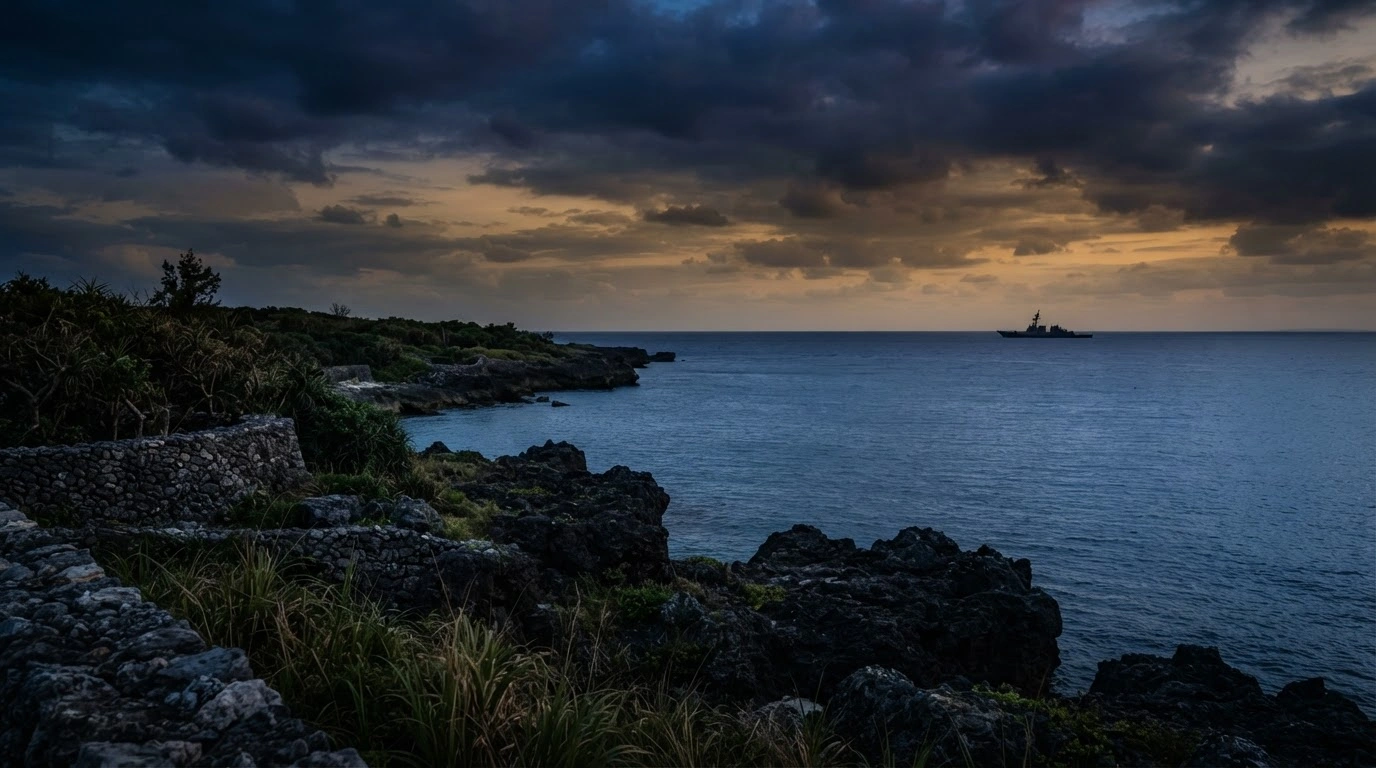
The Japan Coast Guard rescued three North Korean individuals after their small boat, which was being towed by a North Korean vessel, sank in the Sea of Japan off the coast of Shimane Prefecture. The survivors were recovered safely, and authorities are currently investigating the circumstances surrounding the incident in the waters near Japan.
Registration Opens for Allied Events at the 39th Tokyo International Film Festival
The 39th Tokyo International Film Festival has officially opened registration for its allied events. Film industry professionals and the public can now sign up to participate in various programs and screenings held across Tokyo, marking a key milestone in the lead-up to one of Asia's most prestigious cinematic gatherings.
Japanese and U.S. Lawmakers Strengthen Cooperation on Taiwan Strait Stability
Japanese and U.S. lawmakers have held high-level discussions in Washington, reaching a consensus on the critical need to deter potential aggression in the Taiwan Strait. The talks emphasized strengthening bilateral security ties and maintaining regional stability amidst growing concerns over China's military activities in the Indo-Pacific.
Parliamentary Vice-Minister Onishi Yohei Holds Diplomatic Talks with Philippine Officials
Parliamentary Vice-Minister for Foreign Affairs Onishi Yohei met with Philippine counterparts to strengthen bilateral ties and address regional security concerns. The discussions focused on deepening the strategic partnership between Japan and the Philippines amidst evolving geopolitical dynamics in the Indo-Pacific region.
Japan Continues Deliberations on Long-Term Defense Spending Strategy
Japanese officials are engaged in ongoing discussions regarding the nation's defense budget trajectory. The deliberations focus on sustaining increased military investment to meet international benchmarks, addressing regional security challenges, and balancing fiscal responsibility within the government's long-term policy framework.
Prudential Life Insurance Japan Reports Unauthorized Access and Data Leak
Prudential Life Insurance Japan has confirmed a data security incident involving unauthorized access to its systems. The breach resulted in the potential exposure of personal information belonging to thousands of customers. The company is currently working with authorities and cybersecurity experts to investigate the scope of the incident and notify affected individuals.
Japanese Government Updates Earthquake Preparedness Guidelines for Office Workers
The Japanese government has issued updated earthquake preparedness guidance, advising office workers to be prepared to remain at their workplaces for up to three days following a major seismic event. This initiative aims to reduce congestion on public transportation and ensure public safety in the event of a catastrophic earthquake, such as a potential Nankai Trough disaster.
Kamakura Observes Historic Tsurugaoka Hachimangu Reitaisai Festival
The annual Tsurugaoka Hachimangu Reitaisai, a historic Shinto festival dating back over 800 years, has commenced in Kamakura, Japan. The multi-day event features traditional rituals, including the renowned Yabusame horseback archery, drawing visitors to the iconic shrine to witness centuries-old cultural traditions and ceremonies.
Japan Self-Defense Forces Conduct First Overseas Firefighting Mission in Indonesia
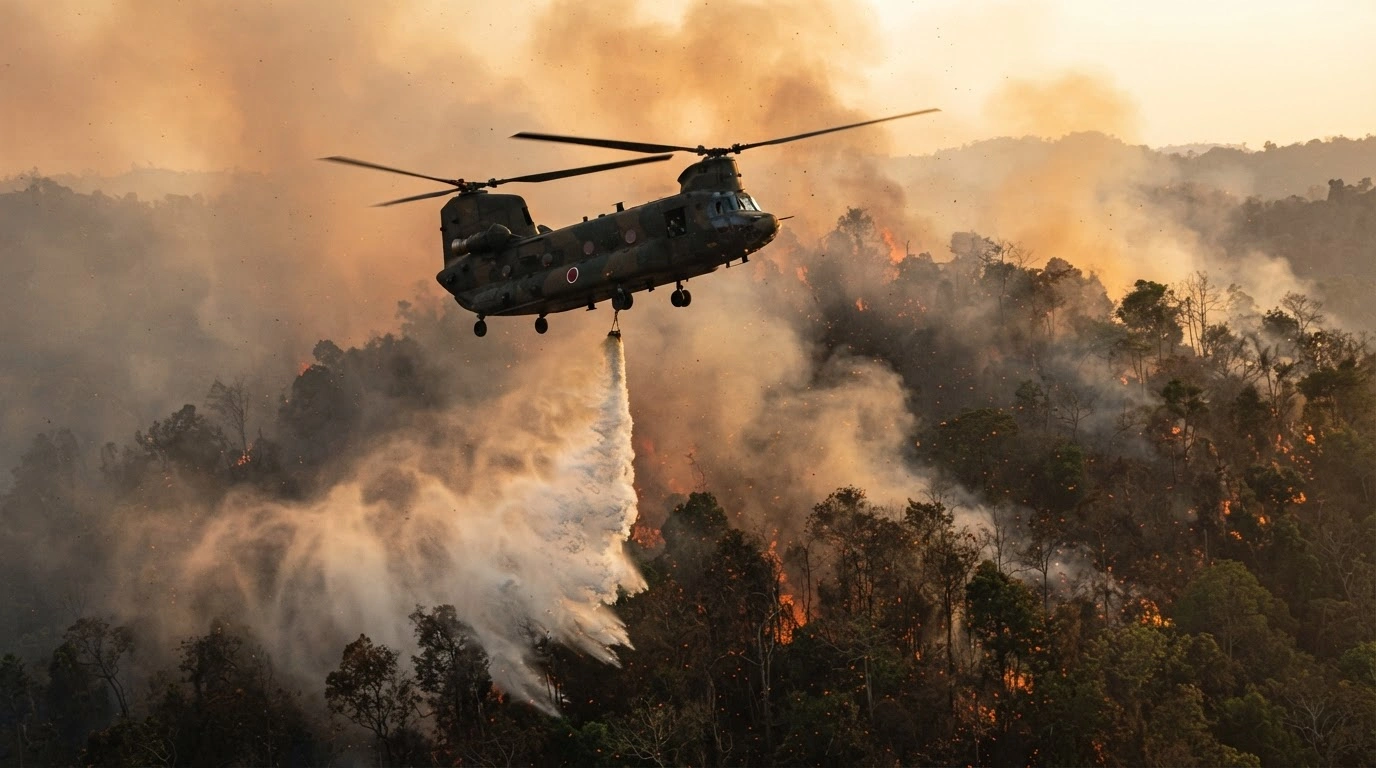
In a historic move, the Japan Self-Defense Forces (JSDF) deployed personnel and helicopters to Indonesia to assist in combating severe forest fires. This mission marked the first time the JSDF has engaged in overseas firefighting operations, highlighting Japan's commitment to international disaster relief and regional cooperation in Southeast Asia.
Okinawa Election Focus Shifts Toward Regional Security and Defense Concerns
The political landscape in Okinawa, Japan, is undergoing a notable transformation as upcoming elections increasingly prioritize national defense and regional security threats over the traditional debate surrounding U.S. military base presence.
Elderly Woman Hospitalized in Tokushima After Consuming Poisonous Mushroom
A woman in her 90s has been hospitalized in Tokushima, Japan, after consuming a Chlorophyllum molybdites mushroom she found in her garden. Local health officials have issued a warning regarding the dangers of misidentifying wild mushrooms, as this species is frequently mistaken for edible varieties.
Two American Women Arrested at Haneda Airport for Alleged Cannabis Smuggling
Tokyo Metropolitan Police have arrested two American women at Haneda International Airport on suspicion of smuggling approximately 30 kilograms of cannabis into Japan. The suspects were apprehended after customs officials discovered the illicit substance concealed within their luggage. Authorities are currently investigating the incident.
Universal Studios Japan Launches Annual Halloween Horror Nights with Record Zombie Presence
Universal Studios Japan has officially kicked off its highly anticipated Halloween Horror Nights event in Osaka. This year's iteration features the park's largest-ever deployment of roaming zombies, alongside immersive haunted attractions and seasonal entertainment designed to draw crowds throughout the autumn season.
Japan Reaffirms Commitment to Resolving Abduction Issue in Potential North Korea Summit
Japanese Chief Cabinet Secretary Minoru Kihara has reiterated Japan's firm stance on the abduction of Japanese citizens by North Korea. As Tokyo explores the possibility of a high-level summit, the government maintains that resolving the long-standing issue remains a top priority for normalizing diplomatic relations between the two nations.
Japan's National Police Agency Mobilizes 10,000 Officers for Aichi-Nagoya Asian Games
To ensure safety during the 2026 Aichi-Nagoya Asian Games, Japan's National Police Agency has announced a massive security operation. Approximately 10,000 police officers will be deployed across the region to manage crowds, monitor venues, and address potential security threats throughout the international multi-sport event.
Japanese Manufacturing Confidence Hits Multi-Year High Amid Tech Demand
Business sentiment among major Japanese manufacturers has climbed to its highest level in nearly five years. The surge in optimism is primarily attributed to robust demand for semiconductors and data-center infrastructure, signaling a resilient outlook for Japan's industrial sector despite global economic uncertainties.
Japan Deploys Drone Technology to Mitigate Rising Bear Encounters
In response to a record number of bear sightings and attacks, Japanese authorities are increasingly deploying drones to monitor and deter bears from entering human settlements. This technological approach aims to enhance public safety and reduce human-wildlife conflict in rural areas across the country.
Japan Dispatches Self-Defense Force Personnel and Helicopters to Assist Indonesia Wildfire Efforts
In a significant international relief effort, Japan has deployed 180 personnel and three CH-47 Chinook helicopters to Indonesia. The mission aims to support local authorities in combating severe wildfires that have impacted the region, highlighting the ongoing defense and humanitarian cooperation between the two nations.
Japan Implements 'Three-Strikes' Rule for Private Jets at Haneda Airport
Japan has introduced a stricter enforcement policy for private aircraft at Haneda Airport. Pilots who repeatedly fail to follow air traffic control instructions now face a 'three-strikes' system, which could result in a permanent ban from using the facility to ensure safety and operational efficiency at the busy Tokyo hub.
Japanese Government Coordinates Potential Meeting Between Prime Minister Takaichi and Donald Trump
The Japanese government is actively working to arrange a meeting between Prime Minister Sanae Takaichi and former U.S. President Donald Trump. The proposed talks are intended to take place on the sidelines of the upcoming United Nations General Assembly, aiming to strengthen bilateral ties and discuss key policy issues between the two nations.