Tensions Escalate in Strait of Hormuz Following Tanker Attacks
Two oil tankers sustained damage and caught fire while transiting the Strait of Hormuz, prompting international concern. The United States and regional allies are investigating the incidents, which occurred amid heightened geopolitical tensions in one of the world's most critical maritime oil transit chokepoints.
Iranian Navy Reports Oil Tanker Fire in Gulf of Oman
The Iranian navy has reported an oil tanker on fire in the Gulf of Oman. Authorities stated the vessel was located in a prohibited area and had reportedly disabled its automatic identification system (AIS) tracking prior to the incident. The situation remains under observation as maritime officials assess the circumstances surrounding the fire and the vessel's status.
Secretary of State Marco Rubio Alleges Deepening Ties Between Cuba and Hostile Nations
US Secretary of State Marco Rubio has formally accused the Cuban government of maintaining strategic financial and security relationships with Iran and other nations designated as hostile to the United States. The allegations highlight ongoing concerns regarding regional security and the alignment of foreign policy interests between Havana and Tehran.
Iranian Lawmakers Move to Impeach Foreign Minister Araghchi Over Nuclear Deterrence Debate
A group of 35 Iranian lawmakers has initiated impeachment proceedings against Foreign Minister Abbas Araghchi. The move follows controversial comments made by former Vice President Mohammad Javad Zarif regarding Iran's nuclear deterrence policy, sparking intense debate within the country's political establishment over national security and diplomatic strategy.
IRGC Forces Report Killing Five Alleged Kidnappers in Zahedan Operation
Iranian Revolutionary Guard Corps (IRGC) forces conducted a security operation near Zahedan, resulting in the deaths of five individuals identified as members of an alleged kidnapping cell. The operation took place in the Sistan and Baluchestan province, a region that has experienced recurring security challenges and clashes involving state forces and armed groups.
Saudi-Led Coalition Conducts Airstrikes on Houthi-Controlled Facilities in Sanaa
The Saudi-led coalition has launched targeted airstrikes against oil facilities in Sanaa, Yemen. The military operation follows a series of cross-border attacks and threats by Houthi rebels against Saudi energy infrastructure, marking a significant escalation in the ongoing regional conflict.
India's NSA Ajit Doval Holds Talks on Maritime Security Amid Strait of Hormuz Tensions
Indian National Security Advisor Ajit Doval has engaged in high-level discussions with his Iranian counterpart to address the rising security concerns regarding merchant shipping in the Strait of Hormuz. The dialogue underscores India's commitment to protecting maritime trade routes and ensuring the safety of vessels in this critical global energy corridor.
Canada Joins International Coalition in Condemning Iran Over Alleged Plot
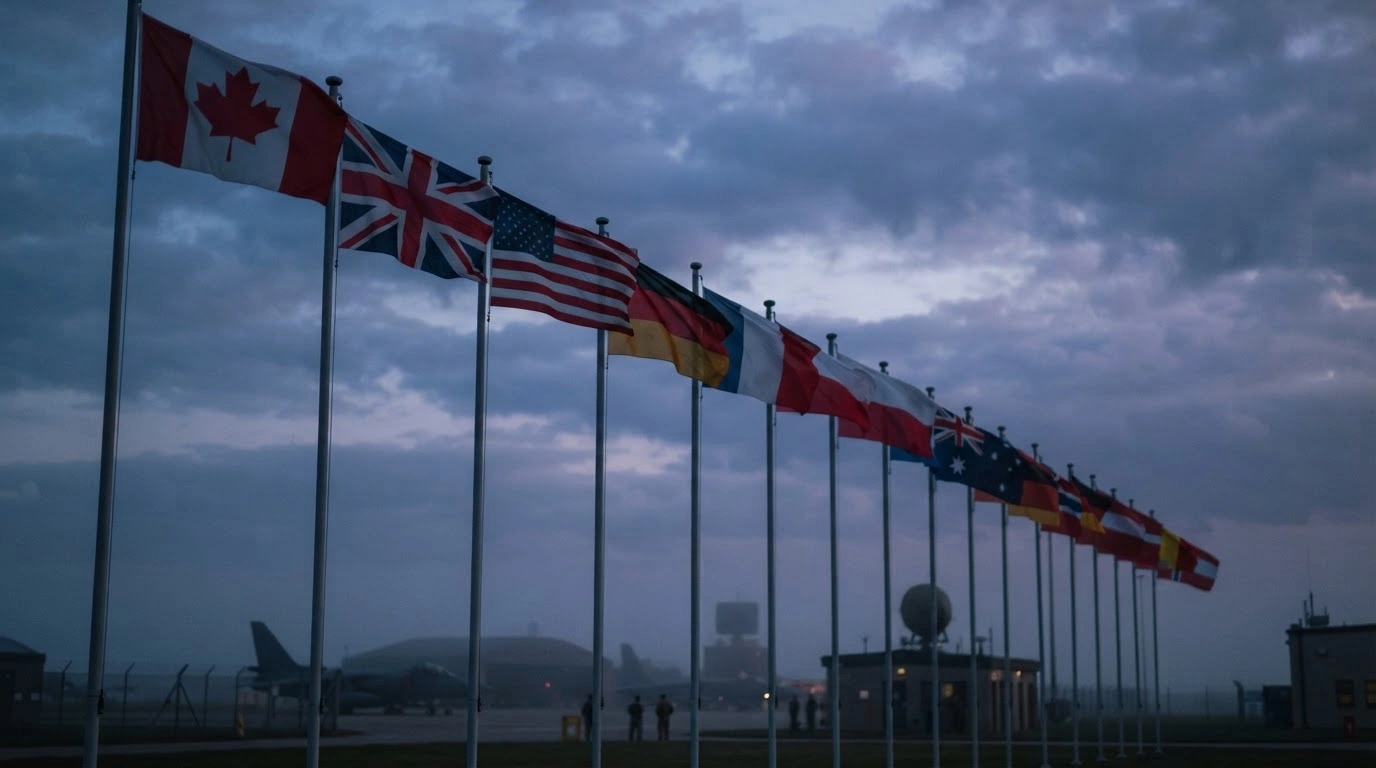
Canada has joined more than 25 nations in a formal statement condemning Iran's alleged involvement in a plot targeting a military air base in England. The joint declaration underscores growing international concern regarding Iranian activities and highlights a unified diplomatic response from Western allies and partners to address these security threats.
UAE Strongly Condemns Houthi Attack on Riyadh's King Khalid International Airport
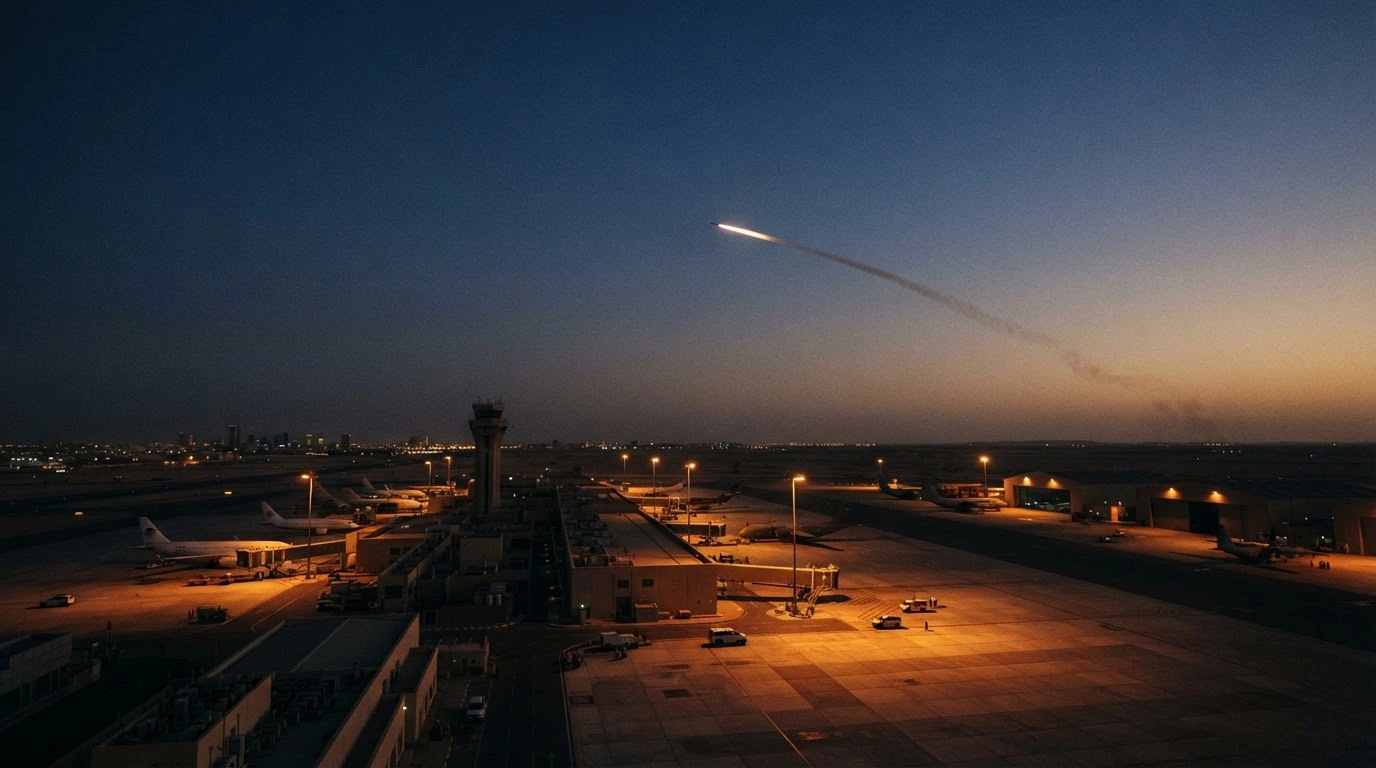
The United Arab Emirates has issued a strong condemnation following a Houthi missile attack on King Khalid International Airport in Riyadh, Saudi Arabia. The incident, which resulted in 12 reported deaths, has drawn widespread international concern regarding regional security and the ongoing conflict in Yemen.
US Administration Evaluates Response to Houthi Missile Attack on Riyadh
Following a ballistic missile attack on Riyadh's King Khalid International Airport attributed to Houthi rebels, the US administration is weighing its response. Officials are reviewing options to support Saudi-led efforts while addressing regional security concerns and the ongoing conflict in Yemen.
President Trump Evaluates Potential US Military Involvement Against Houthi Rebels
President Donald Trump has announced that his administration is actively evaluating whether the United States should join Saudi Arabia in military operations against Houthi rebels. The potential shift in policy comes amid ongoing regional tensions and concerns regarding security in the Middle East and the stability of critical maritime trade routes.
Panama-Flagged Oil Tanker Struck by Projectile Off UAE Coast
A Panama-flagged crude oil tanker was struck by an unidentified projectile while navigating off the coast of the United Arab Emirates. The incident resulted in a fire onboard the vessel, prompting an immediate response from regional maritime authorities. Investigations are currently underway to determine the origin of the projectile and the extent of the damage.
Armed Attacks in Iran's Sistan-Baluchestan Province Result in Multiple Fatalities
A series of coordinated armed attacks in Iran's southeastern Sistan-Baluchestan province has resulted in the deaths of at least five security personnel. The incidents, which targeted military and police forces, have prompted an investigation by Iranian authorities in the volatile border region.
President Trump Addresses Iran Tensions Amid Military Readiness Reports
Amid rising tensions in the Middle East, President Donald Trump has signaled a reluctance to pursue a new deal with Iran. The comments come as reports emerge regarding U.S. military preparations and strategic positioning in the region, highlighting a period of heightened diplomatic and security volatility between Washington and Tehran.
Iran Evaluating U.S. Counterproposal Concerning Strait of Hormuz Security
Iranian Foreign Minister Abbas Araghchi has confirmed that Tehran is currently reviewing a U.S. counterproposal regarding security in the Strait of Hormuz. The Iranian government is expected to issue a formal response in the near future as diplomatic efforts continue to address tensions in the critical maritime chokepoint.
Saudi-led coalition forces successfully intercepted a ballistic missile launched by Houthi rebels toward Riyadh. The incident, which occurred north of the Saudi capital, resulted in no reported casualties or damage. This event marks another escalation in the ongoing regional conflict, with coalition officials condemning the attack as a threat to civilian safety.
Central Bank of Iran Governor Rejects Claims of Economic Collapse
The Governor of the Central Bank of Iran has formally dismissed recent United States predictions regarding an imminent economic collapse in the country. Asserting the resilience of the national economy, the governor emphasized that Iran maintains sufficient foreign exchange reserves to manage current challenges and stabilize the domestic market.
IRGC Issues Warning of Lethal Response to Potential Threats
The Islamic Revolutionary Guard Corps (IRGC) has issued a stern warning, stating that any threats from the United States or regional actors against Iran will be met with a lethal and decisive response. This declaration comes amid heightened tensions in the Middle East, as Iranian military leadership emphasizes its readiness to defend national interests.
United Arab Emirates Suspends All Flights to and From Iran
The United Arab Emirates has officially suspended all air travel operated by Iranian airlines to and from the country. The decision, effective until further notice, comes as regional tensions escalate across the Middle East, impacting travel routes and aviation operations in the region.
Israel Prepares for General Elections Amid National Security Focus
Israel is set to hold general elections on October 27, 2026. The upcoming vote follows a period of intense political debate centered on national security, regional stability, and the future of the country's leadership as parties finalize their platforms.