German Port Workers Reject Wage Offer, Raising Threat of Indefinite Strikes
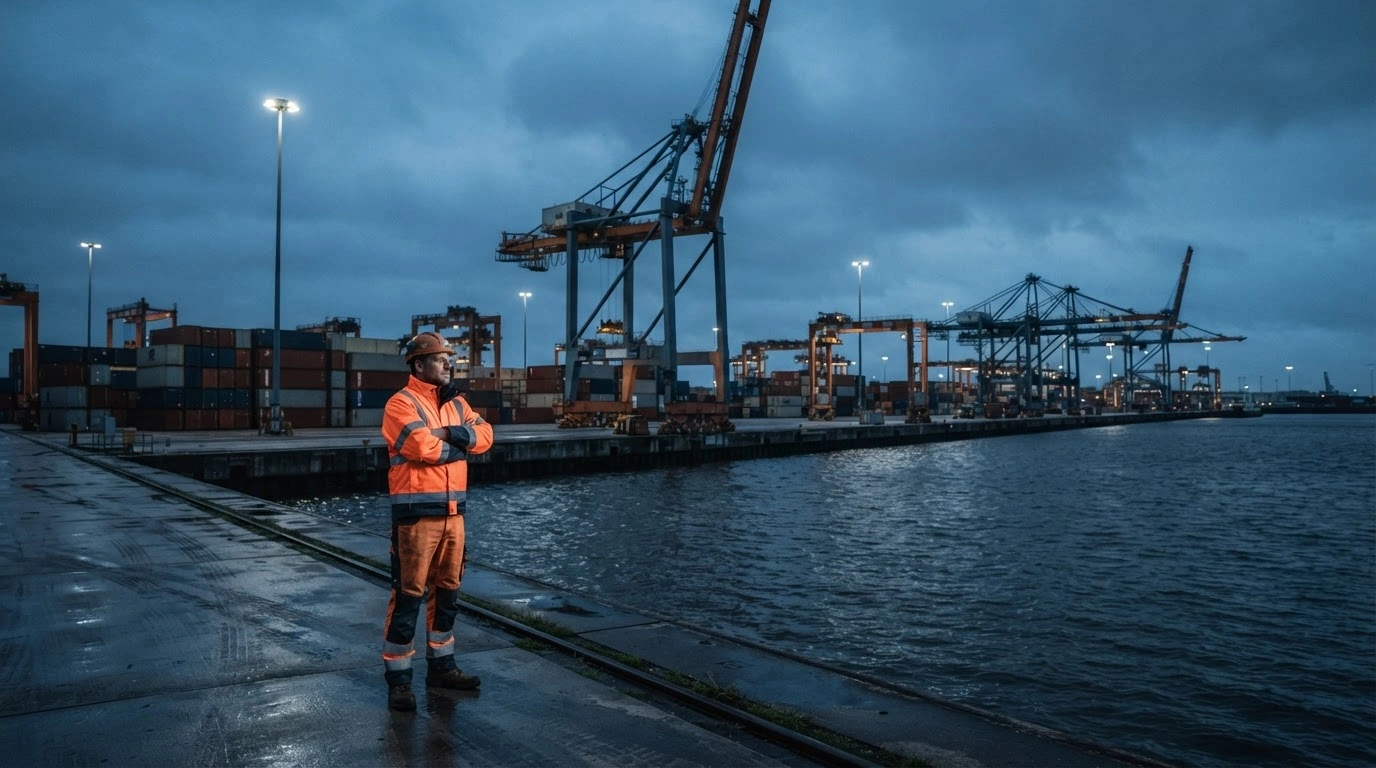
German port workers have rejected the latest wage proposal from employers, escalating tensions at major hubs like Hamburg, Bremerhaven, and Wilhelmshaven. The rejection by the ver.di union brings the prospect of indefinite industrial action closer, potentially disrupting supply chains across Germany as negotiations over pay and inflation compensation remain deadlocked.
Small Businesses Face Financial Strain Amid US-Canada Trade Tensions
Small businesses across the United States and Canada are grappling with increased financial pressure as reciprocal tariffs and persistent trade tensions disrupt supply chains. Industry leaders report rising operational costs and market uncertainty, prompting calls for policy stability to protect cross-border commerce and economic growth in both nations.
Small Businesses Face Financial Strain Amid US-Canada Trade Tensions
Small businesses across the United States and Canada are grappling with increased financial pressure as reciprocal tariffs and persistent trade tensions disrupt supply chains. Industry leaders report rising operational costs and market uncertainty, prompting calls for policy stability to protect cross-border commerce and economic growth in both nations.
12th Guangzhou International Fisheries and Seafood Expo Highlights Global Industry Growth
The 12th Guangzhou International Fisheries and Seafood Expo has opened in China, bringing together industry leaders to showcase advancements in aquaculture and seafood trade. The event emphasizes China's pivotal role in the global market, featuring sustainable technologies, cold chain logistics, and international partnerships aimed at fostering industry innovation and cooperation.
2026 China International Fair for Trade in Services Opens in Beijing
The 2026 China International Fair for Trade in Services (CIFTIS) has officially opened in Beijing. The event serves as a major platform for promoting global service trade integration, attracting international participants and industry leaders to discuss digital trade, green development, and cross-border cooperation in the services sector.
Uttar Pradesh Launches UP TEX 2026 to Bolster Global Textile Industry Presence
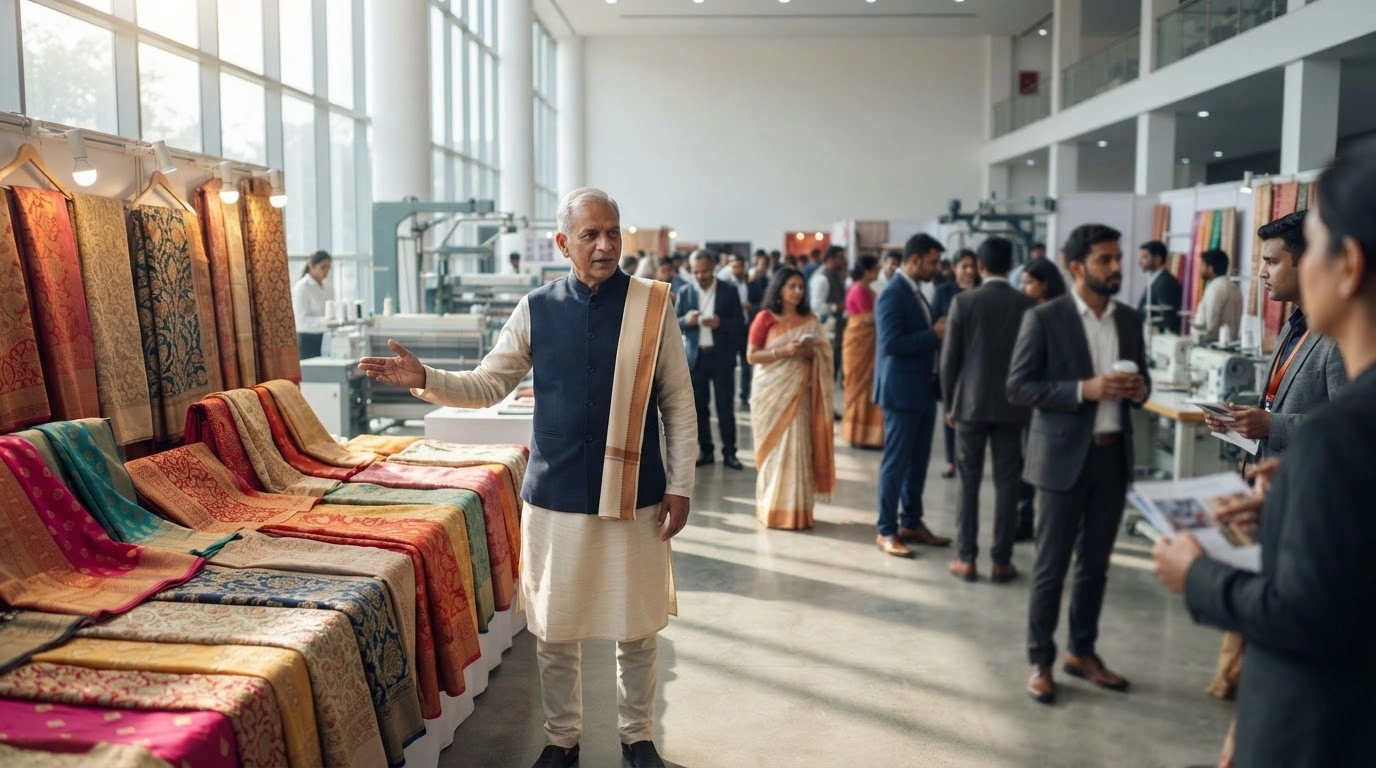
Uttar Pradesh Chief Minister Yogi Adityanath has inaugurated the UP TEX 2026 summit in Lucknow. The event aims to position the state as a premier global hub for textiles and apparel, attracting investment and showcasing the region's manufacturing capabilities to international and domestic stakeholders.
Canadian Ministers Convene Advisory Committee to Address U.S. Tariff Measures
Canadian government officials held high-level discussions with the Advisory Committee on Canada-U.S. Economic Relations to formulate a strategic response to recent U.S. tariff policies. The meeting focused on protecting domestic industries and maintaining the stability of the integrated North American supply chain amidst evolving trade pressures.
Beijing Prepares for 2026 China International Fair for Trade in Services
The 2026 China International Fair for Trade in Services (CIFTIS) is set to commence in Beijing on September 9. The event will host over 1,830 enterprises, highlighting China's commitment to global trade cooperation and the expansion of its services sector through international collaboration and innovation.
Foreign Investment in Mexico Faces Headwinds Amid USMCA Review Concerns
Foreign direct investment in Mexico has experienced a slowdown as multinational corporations express caution regarding the upcoming 2026 review of the United States-Mexico-Canada Agreement (USMCA). Investors are closely monitoring political developments and trade policy shifts that could impact the long-term stability of North American supply chains.
UPS Announces Executive Leadership Changes and New Global Operating Model
UPS has officially implemented a new global operating model and announced significant executive leadership changes, effective September 1, 2026. The transition includes the retirement of long-time executive Kate Gutmann, as the company seeks to streamline its organizational structure and enhance operational efficiency across its international network.
Braskem Geological Crisis Raises Concerns Over Plastic Supply and Inflation in Brazil
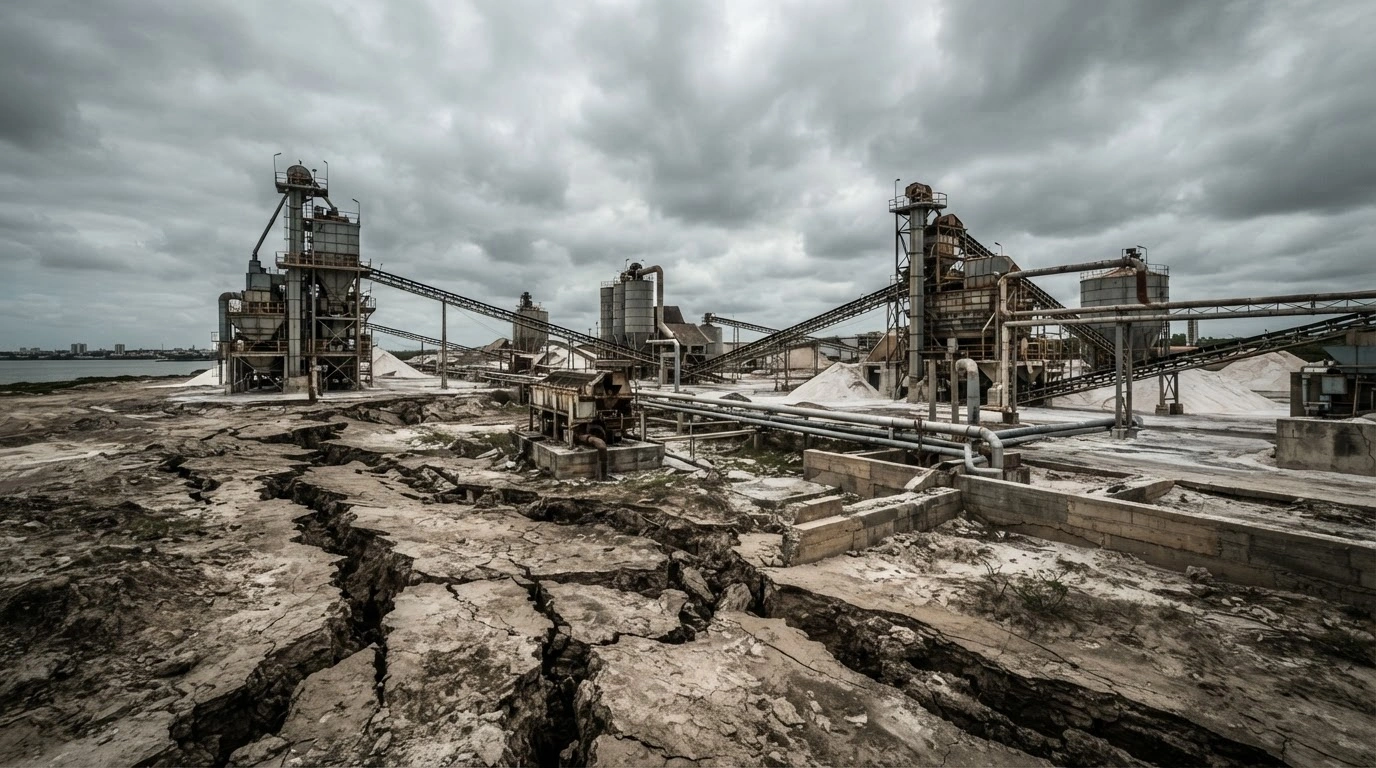
Ongoing geological instability at Braskem's salt mining operations in Maceió, Brazil, has forced production halts, raising concerns about supply chain disruptions. As a dominant player in the petrochemical sector, the company's reduced output threatens to increase costs for plastic manufacturers and potentially drive inflation across the Brazilian economy.
Ontario Premier Doug Ford Challenges U.S. Tariff Threats Against Canadian Trade
Ontario Premier Doug Ford has publicly challenged proposed U.S. tariff threats, warning of the economic consequences for both Canada and the United States. The remarks have sparked a notable diplomatic exchange, highlighting ongoing tensions regarding cross-border trade policies and the integrated nature of the North American automotive and manufacturing sectors.
South African Manufacturers Strengthen Role in Continental Healthcare Supply Chains
South African pharmaceutical and medical device manufacturers are scaling operations to bolster regional healthcare supply chains. Leveraging the African Continental Free Trade Area (AfCFTA), these companies aim to reduce reliance on imports and enhance medicine security across the continent through increased intra-African trade and manufacturing capacity.
Apple Expands Manufacturing Support with New Houston Facility
Apple has officially opened a new Advanced Manufacturing Center in Houston, Texas. The facility is designed to provide small- and medium-sized businesses with specialized training, resources, and expertise to enhance their manufacturing capabilities and integrate advanced technologies into their operations.
Apple Expands Manufacturing Support with New Houston Facility
Apple has officially launched a new Advanced Manufacturing Center in Houston, Texas. The facility is designed to provide small- and medium-sized businesses with specialized training, resources, and expertise to help them scale their operations and integrate advanced manufacturing technologies into their workflows.
Delivery Platform Glovo Announces Exit from Bosnia and Herzegovina Market
The international delivery service platform Glovo has officially announced the suspension of its operations in Bosnia and Herzegovina. The company, which entered the market in 2021, cited strategic reasons for its departure, marking a significant shift in the local quick-commerce and food delivery landscape.
Private Equity Firm VIG Partners to Acquire South Korean Aerospace Supplier
South Korean private equity firm VIG Partners has reached an agreement to acquire a majority stake in ASTK, a prominent aerospace component manufacturer. The deal, valued at approximately $300 million, strengthens VIG's portfolio in the global aviation supply chain, which serves major industry players including Boeing and Airbus.
Bangladesh Honda Private Limited Expands Motorcycle Exports to International Markets
Bangladesh Honda Private Limited (BHL) has officially expanded its motorcycle export operations, marking a significant milestone for the country's manufacturing sector. By leveraging its local production facility, the company is now exporting 'Made in Bangladesh' motorcycles, signaling increased industrial capacity and integration into the global automotive supply chain.
Australian Parliament Launches Inquiry Into National Resilience and Supply Chain Security
The Australian Parliament has initiated a new inquiry to assess the nation's ability to withstand major global conflicts and supply chain shocks. The Joint Standing Committee on Foreign Affairs, Defence and Trade will examine vulnerabilities in critical infrastructure, fuel, medicine, and food supplies to ensure national security in an increasingly volatile geopolitical environment.
Major Japanese Automakers Resume Operations Following Kumamoto Earthquake Disruptions
Following significant production halts caused by the 2016 Kumamoto earthquakes, major Japanese automakers including Toyota and Nissan have resumed operations. The seismic events severely disrupted supply chains, particularly affecting parts manufacturing in the Kyushu region, leading to widespread temporary closures across domestic assembly plants.