Greece Selects Flight Surgeon Adrianos Golemis for Private Space Mission
Greece has officially selected flight surgeon Adrianos Golemis as a mission specialist for a forthcoming private astronaut mission to the International Space Station (ISS). This selection marks a significant milestone in the nation's growing involvement in space exploration and research, with Golemis set to contribute his medical expertise to the orbital mission.
66-Million-Year-Old Gastropod Fossil Discovered at Kulhoyuk Settlement in Ankara
Archaeologists in Turkey have unearthed a 66-million-year-old gastropod fossil at the Kulhoyuk settlement in Ankara. The discovery, dating back to the Late Cretaceous period, suggests that ancient inhabitants may have transported the fossil to the site, offering new insights into the historical and cultural significance of such objects in early settlements.
Paris Hosts Inaugural International Space Summit to Address Global Space Governance
Paris has convened the first International Space Summit, gathering representatives from nearly 120 delegations. The high-level meeting focuses on critical issues including the sustainable development of the space economy, orbital security, and the future of international space exploration cooperation.
China's Tianyu Telescope Captures First-Light Image of Over One Million Stars
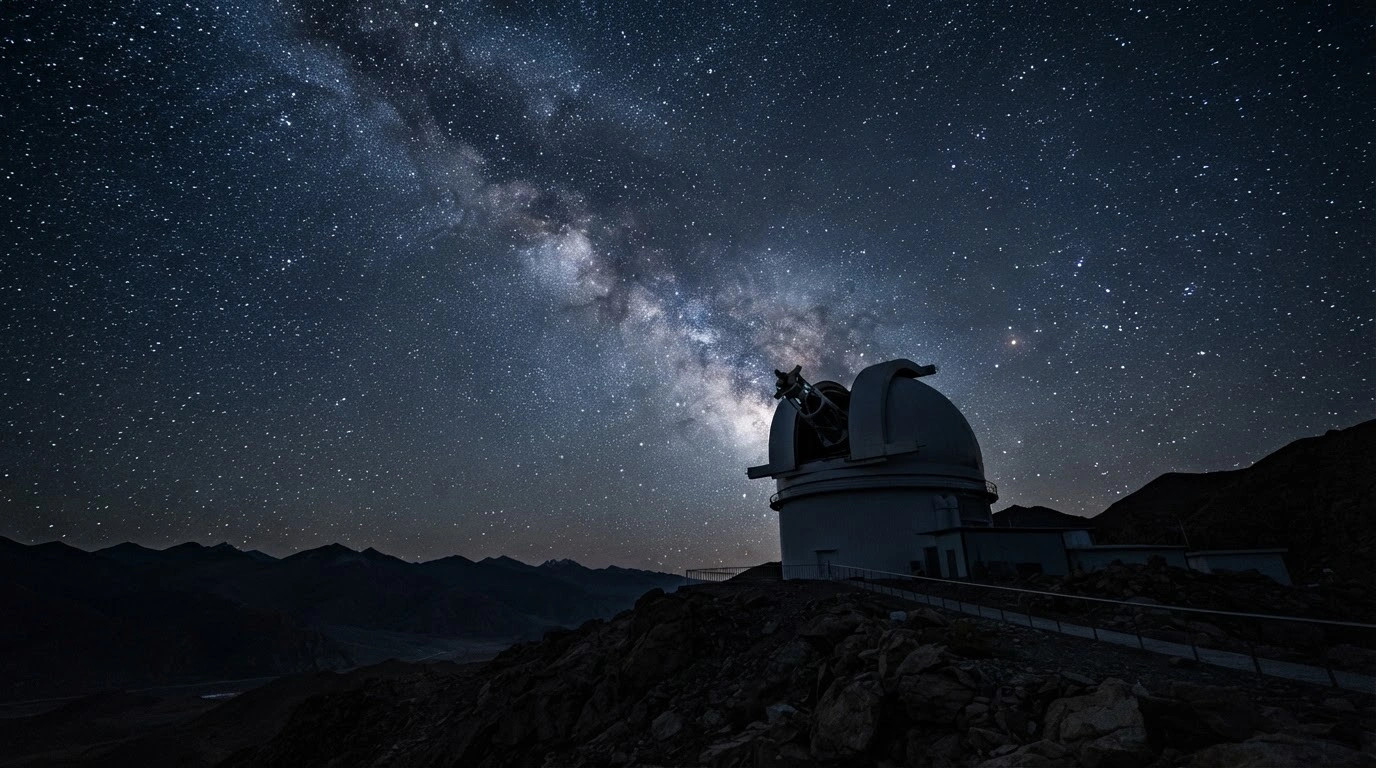
China's Tianyu Telescope has officially entered its scientific observation phase after successfully capturing a high-resolution first-light image. The survey telescope, located in Lenghu, Qinghai Province, imaged over one million stars, demonstrating its capability to conduct large-scale astronomical surveys and contribute to deep-space exploration efforts.
Turkey Joins Artemis Accords to Advance International Space Cooperation
Turkey has officially joined the Artemis Accords, becoming the latest nation to commit to the U.S.-led principles for peaceful and sustainable space exploration. The signing ceremony took place at NASA headquarters, marking a significant step in Turkey's growing role in international space partnerships and lunar exploration initiatives.
Saudi Space Agency Releases Comprehensive Astronomical Guide Through 2030
The Saudi Space Agency has published an official guide detailing major astronomical events visible from the Kingdom through 2030. This initiative aims to promote space awareness, support scientific education, and provide residents and enthusiasts with a clear schedule of celestial phenomena, including eclipses, planetary alignments, and meteor showers.
NASA and SpaceX Prepare for Nancy Grace Roman Space Telescope Mission
NASA and SpaceX are finalizing preparations for the launch of the Nancy Grace Roman Space Telescope. Designed to investigate dark energy and exoplanets, the observatory will launch from Kennedy Space Center aboard a Falcon Heavy rocket, marking a significant milestone in space exploration and our understanding of the universe's expansion.
Partial Lunar Eclipse to Grace French Skies in September
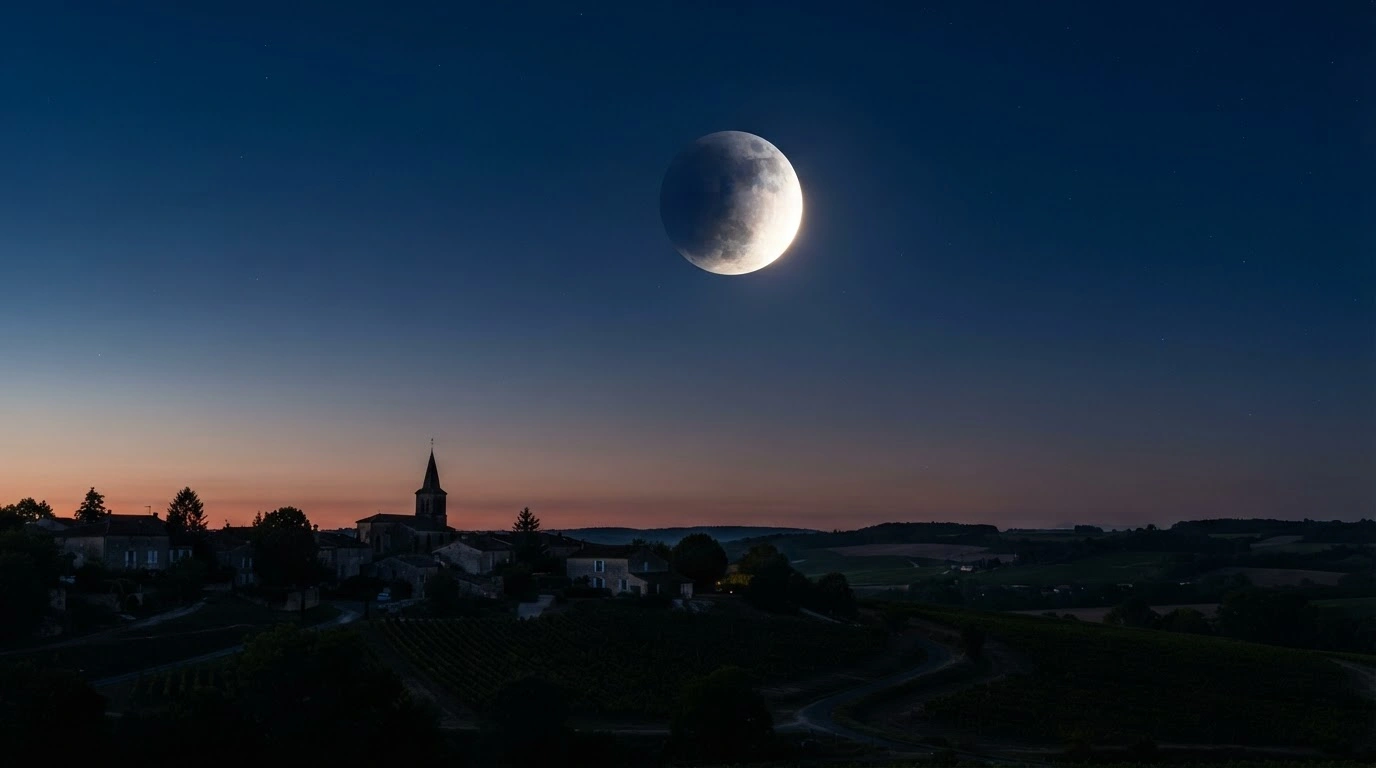
A deep partial lunar eclipse will be visible across France in the early hours of September 18, 2024. Observers in the region can expect to see a portion of the Moon darkened as it passes through the Earth's shadow. This celestial event offers a clear viewing opportunity for astronomy enthusiasts across the country during the pre-dawn hours.
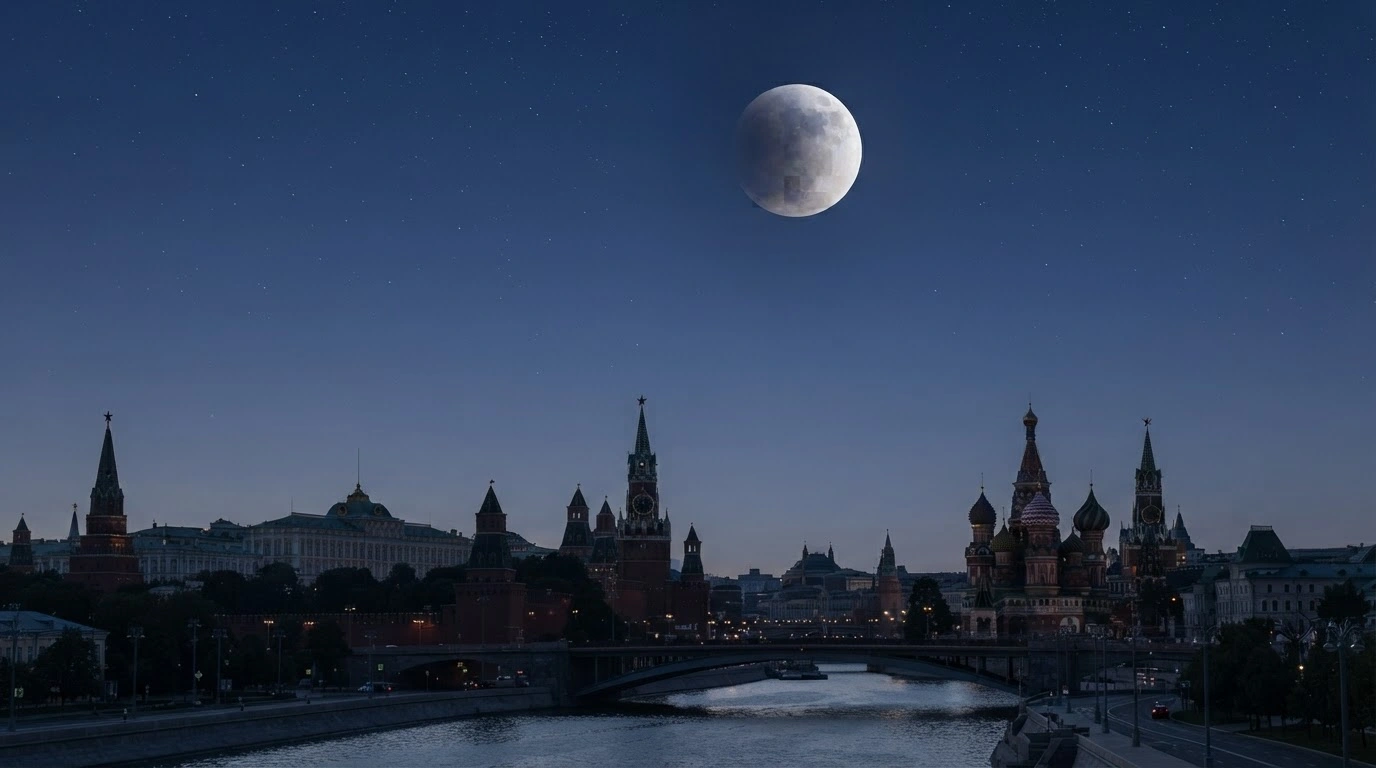
Penumbral Lunar Eclipse Observed Over Moscow Skies
On August 28, 2026, residents in Moscow, Russia, witnessed a penumbral lunar eclipse. This astronomical event occurred as the Moon passed through the Earth's outer shadow, resulting in a subtle dimming of the lunar surface that was visible to observers across the region under clear weather conditions.
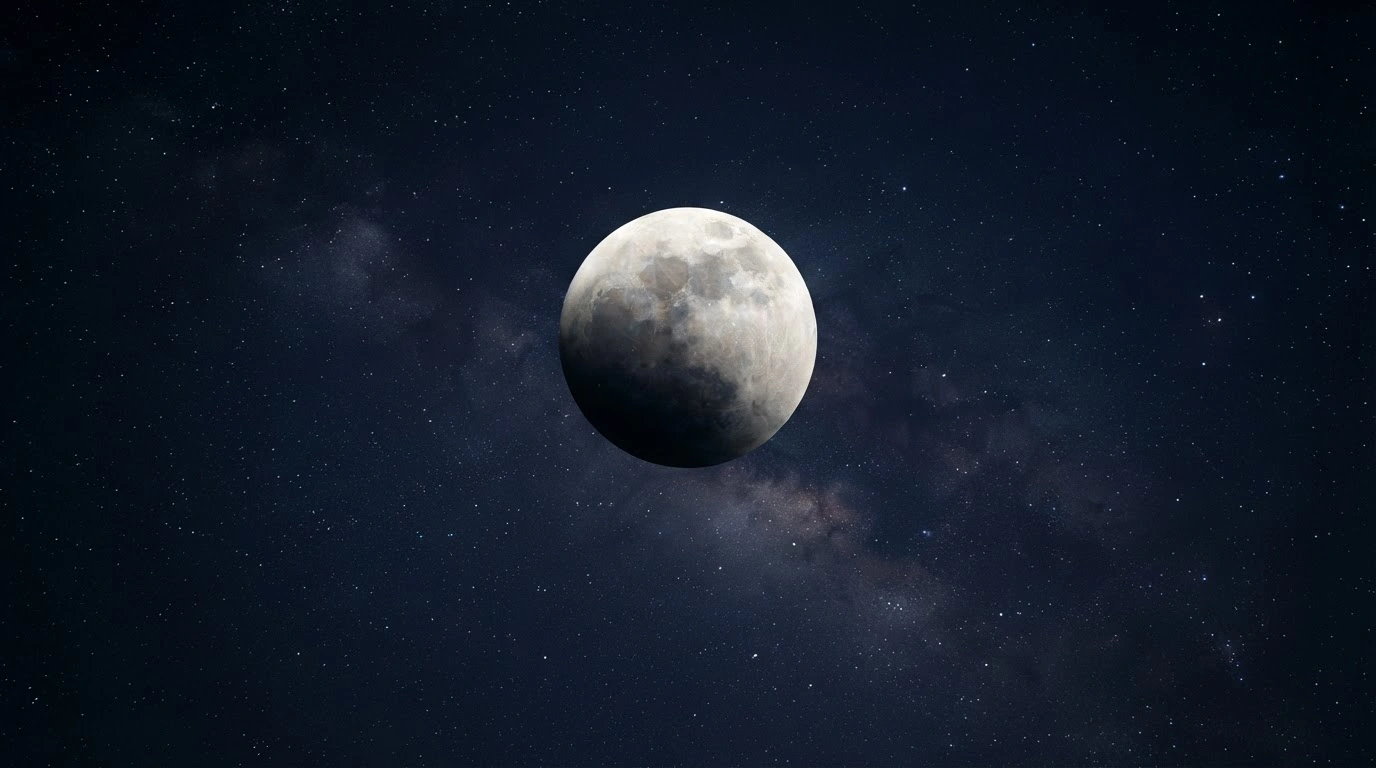
Partial Lunar Eclipse to Grace Skies Over the United States
A partial lunar eclipse will be visible across parts of the United States, offering observers a chance to witness the Earth's shadow falling across the lunar surface. This astronomical event occurs when the Sun, Earth, and Moon align, with the Moon passing through a portion of the Earth's dark umbral shadow.
Artemis II Crew to Receive Congressional Space Medal of Honor
The crew of NASA's Artemis II mission will be awarded the Congressional Space Medal of Honor. This prestigious recognition celebrates their role in the historic mission, which marks the first crewed flight around the Moon in over 50 years, advancing deep-space exploration and human presence beyond low-Earth orbit.
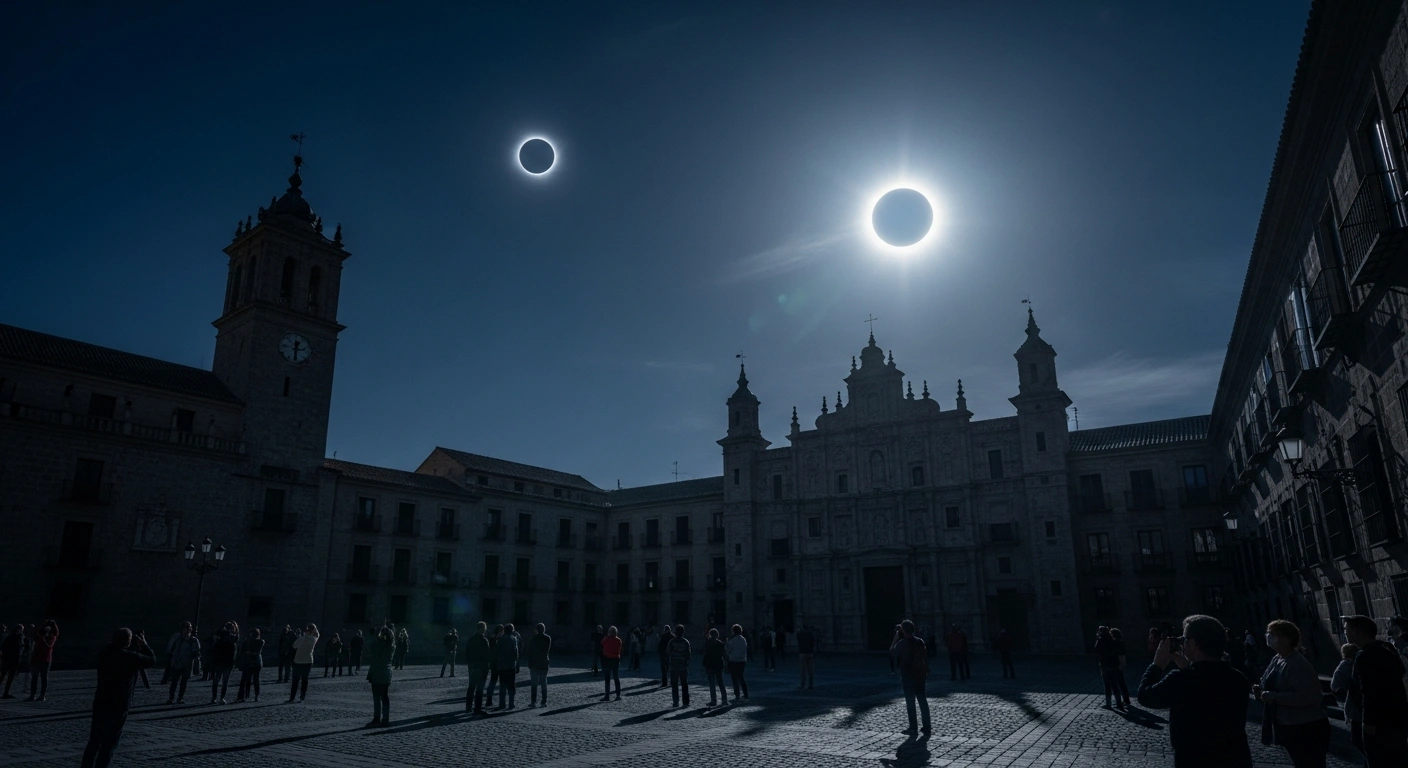
Millions across Spain experienced a rare total solar eclipse, the first to cross the country in over a century. From coastal regions to inland cities, spectators gathered to observe the moon obscuring the sun, marking a significant astronomical event that drew both domestic and international attention to the Iberian Peninsula.
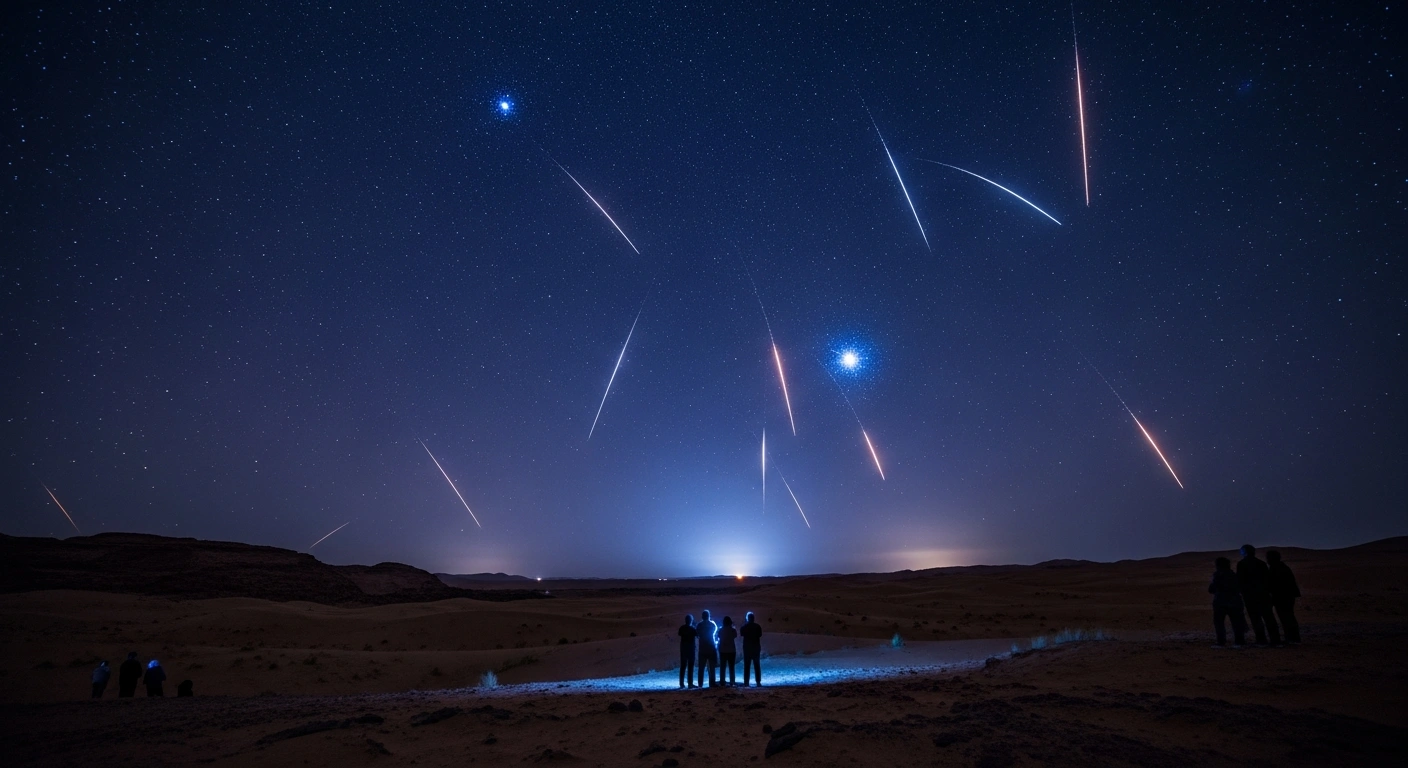
Perseid Meteor Shower Peaks Over Saudi Arabian Skies
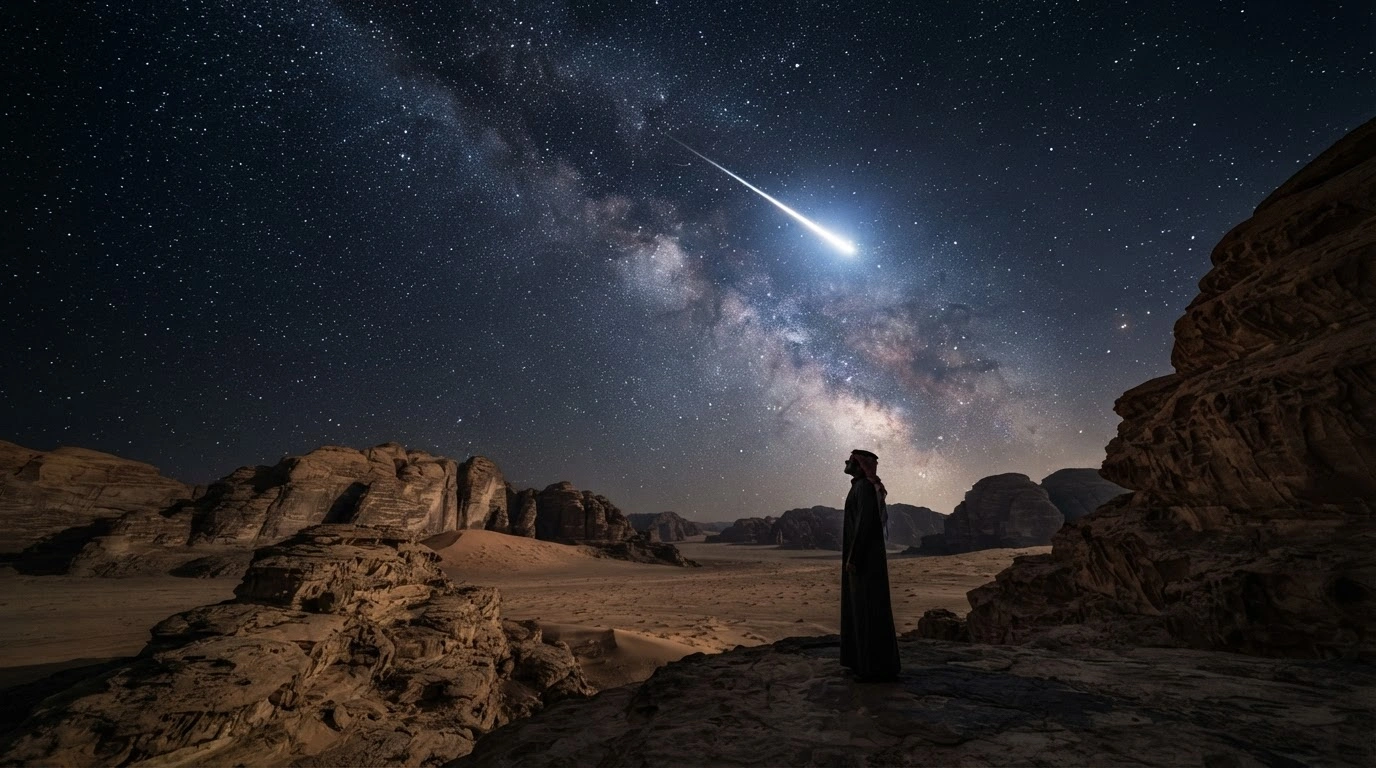
The annual Perseid meteor shower reached its peak visibility over Saudi Arabia, offering astronomy enthusiasts a spectacular display. Known for its high frequency of meteors and bright fireballs, the event drew significant attention from observers across the Kingdom as they gathered in dark-sky locations to witness the celestial phenomenon.
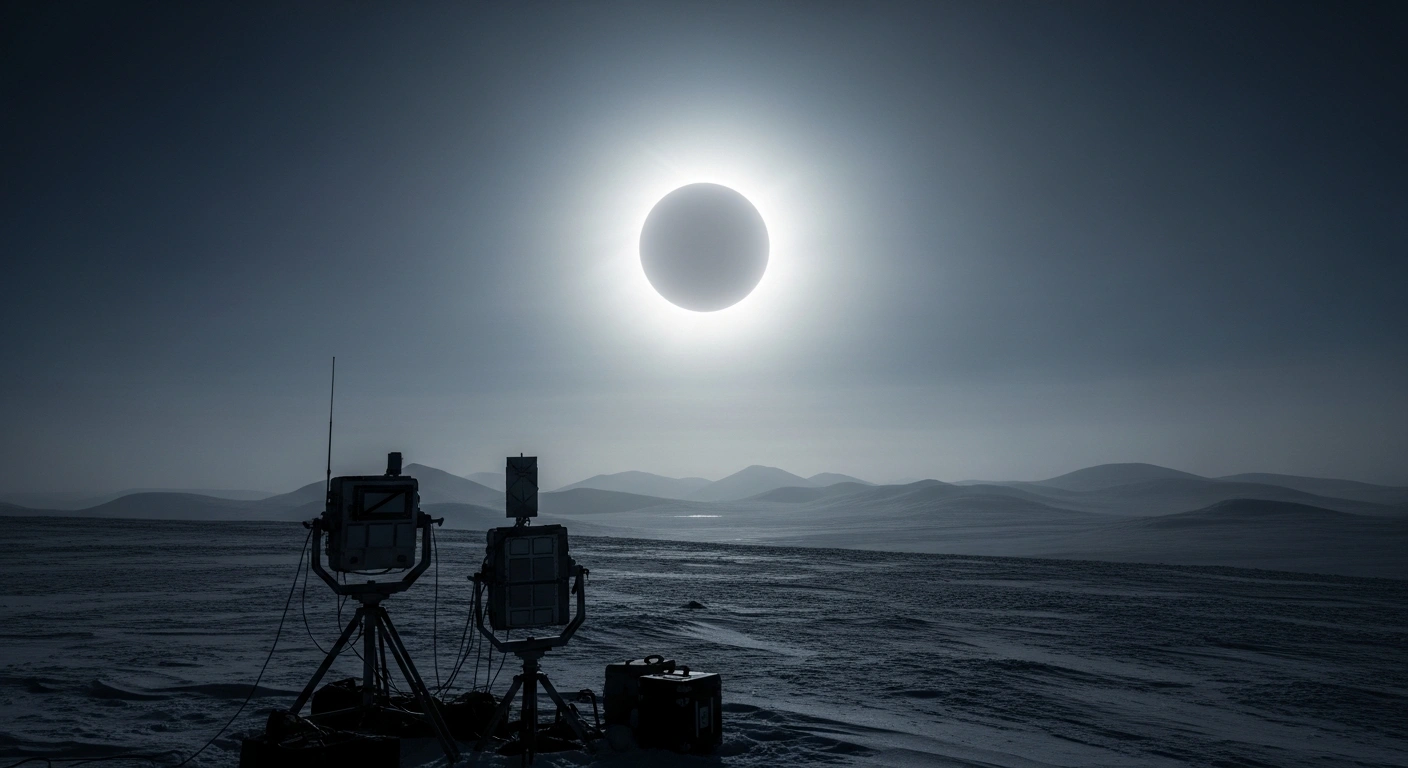
Total Solar Eclipse Traverses Northern Siberia and Arctic Regions
A rare total solar eclipse has crossed over northernmost Siberia, with the Russian space agency Roscosmos monitoring the celestial event. The eclipse path moved across remote Arctic territories, providing a unique opportunity for scientific observation of the solar corona and atmospheric conditions in the high-latitude region.
Brazil's National Observatory Hosts Live Broadcast of Total Solar Eclipse
Although the total solar eclipse is not visible from Brazil, the National Observatory (ON) is providing a live online broadcast. The initiative allows the Brazilian public to follow the astronomical phenomenon in real time through a partnership with international observatories and space agencies.
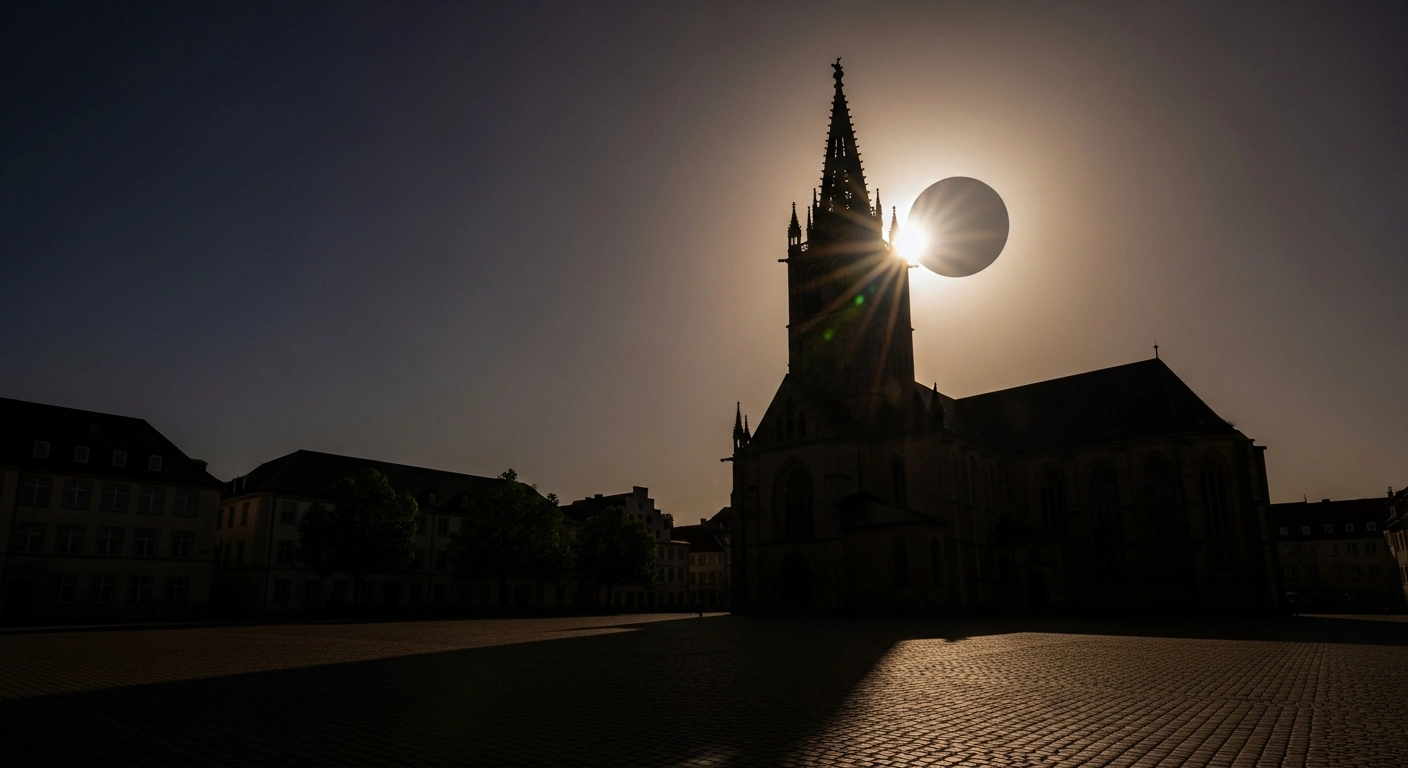
Partial Solar Eclipse to Grace German Skies: What to Expect
A significant partial solar eclipse is approaching Germany, offering residents a rare opportunity to witness the Moon obscuring a large portion of the Sun. Astronomers and space agencies are preparing for the event, which will vary in intensity across different regions, with some areas experiencing up to 90 percent coverage of the solar disk.
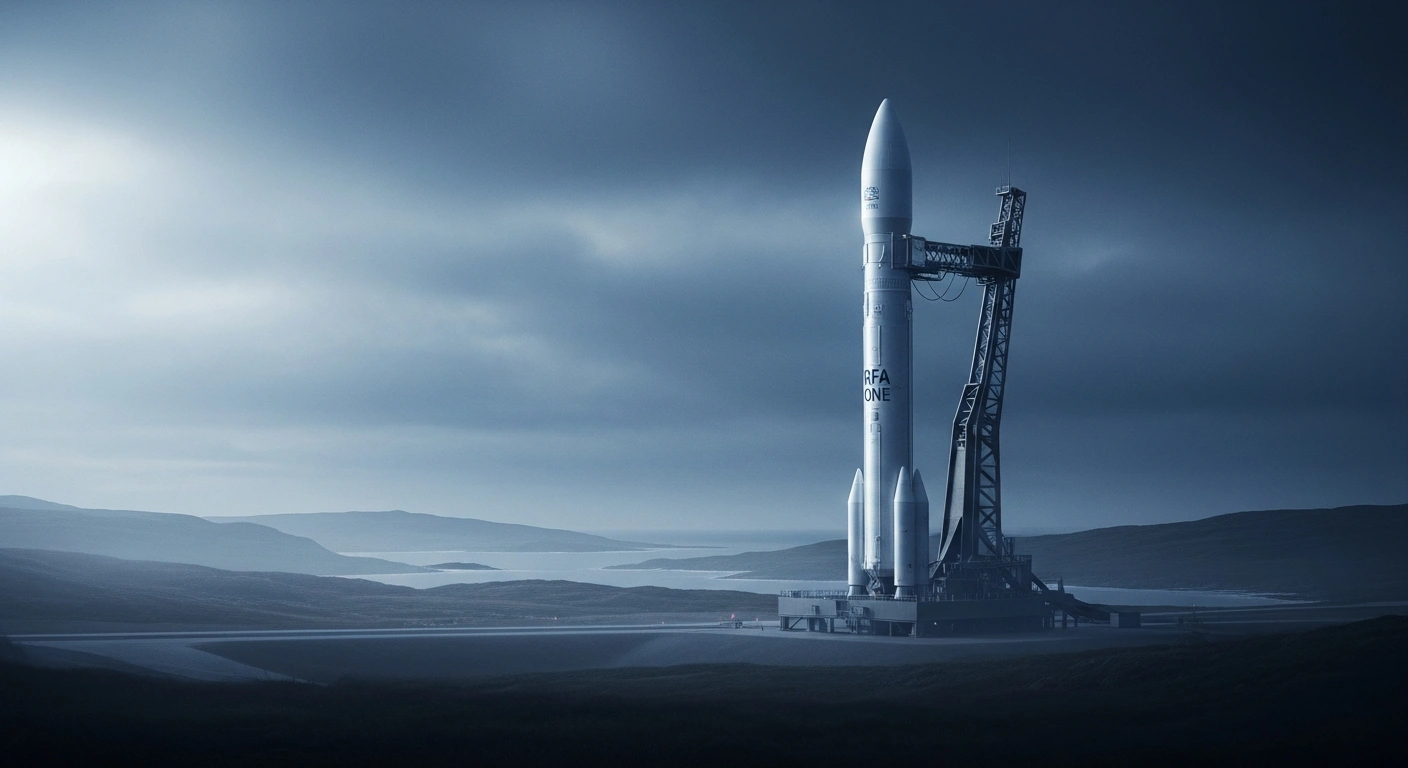
Rocket Factory Augsburg Postpones Maiden Orbital Launch from SaxaVord Spaceport
German aerospace startup Rocket Factory Augsburg (RFA) has delayed the inaugural orbital launch of its RFA ONE rocket from SaxaVord Spaceport in Scotland. The postponement follows a technical issue identified during final preparations, marking a cautious approach for the company's first attempt to reach orbit from UK soil.
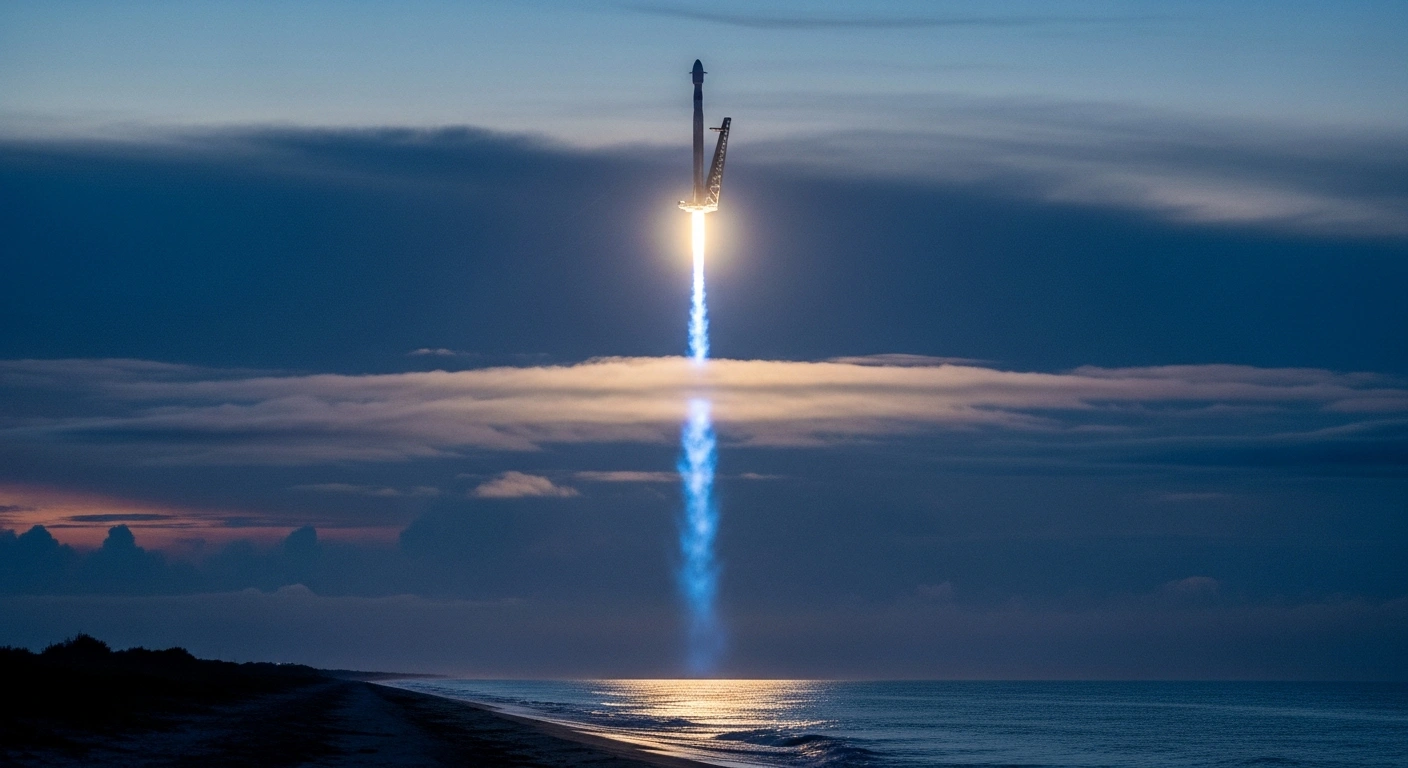
SpaceX Falcon 9 Launch Generates Sonic Booms Across Central Florida
Residents across Central Florida reported loud sonic booms early Thursday morning following a SpaceX Falcon 9 rocket launch. The noise, caused by the booster's return to Earth, was heard across multiple counties as the company successfully completed another mission from the Space Coast.
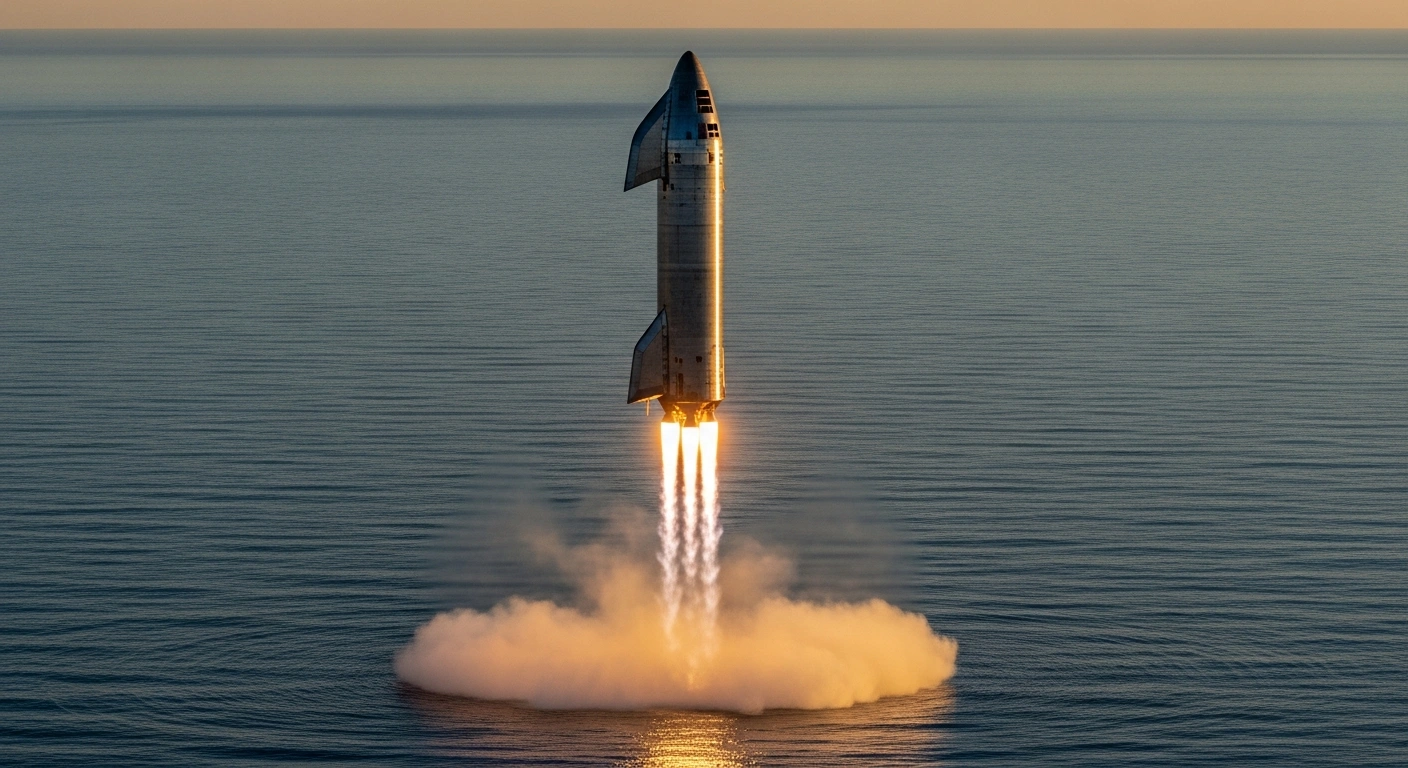
SpaceX Starship Completes Latest Test Flight with Controlled Splashdown
SpaceX has successfully executed another test flight of its Starship rocket, achieving a controlled splashdown in the Indian Ocean. This mission marks a significant milestone in the development of the world's most powerful launch vehicle, as SpaceX continues to refine the reusability and operational capabilities of the Starship system for future space exploration.
Cinémathèque de la Ville de Luxembourg Launches Annual Open-Air Cinema Series
The Cinémathèque de la Ville de Luxembourg has officially kicked off its highly anticipated open-air cinema season at Place Guillaume II. Residents and visitors can enjoy a diverse selection of films under the stars in the heart of Luxembourg City, with screenings scheduled throughout the summer months to celebrate local culture and cinematic arts.