South Korea Expands Digital Literacy Initiatives to Support Elderly Population
South Korea is intensifying efforts to bridge the digital divide among its elderly population. Through national campaigns and expanded training programs, the government aims to ensure senior citizens can navigate essential digital services, including banking, healthcare, and public administration, in an increasingly digitized society.
Seoul Bus Union Votes to Strike Amid Wage Negotiations
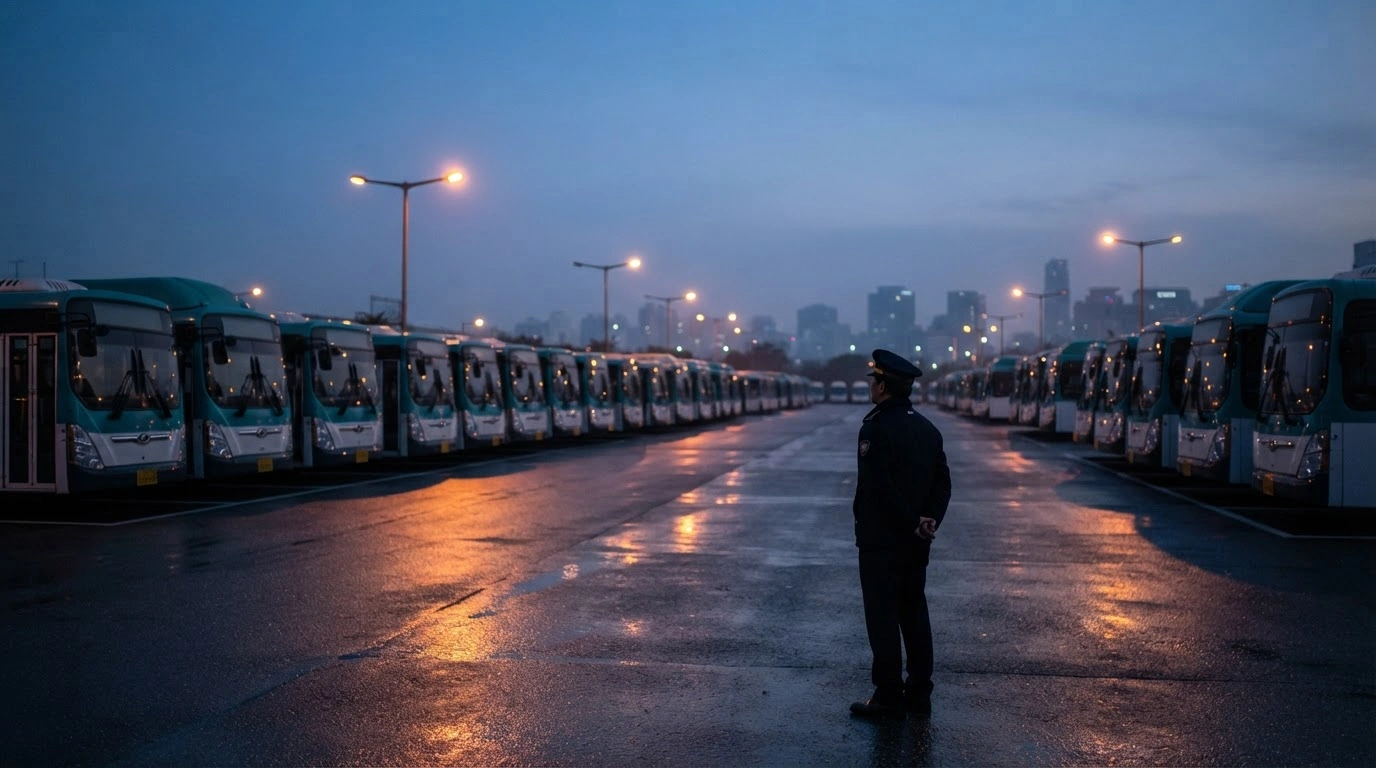
Unionized bus drivers in Seoul have voted overwhelmingly to initiate a strike following a breakdown in wage negotiations. The potential work stoppage threatens to disrupt public transportation for millions of commuters as the union demands significant pay increases and improved working conditions from the Seoul Bus Transport Business Association.
South Korea and France Strengthen Defense Ties Through New Strategic Agreements
South Korea and France have formalized a new partnership to enhance defense cooperation, focusing on military information sharing, technological collaboration, and supply chain resilience. The agreements aim to bolster security ties between the two nations amidst evolving global defense requirements.
China Withdraws from Gwangju Biennale Amid Diplomatic Dispute Over Taiwan Pavilion
China has officially withdrawn its participation from the Gwangju Biennale in South Korea. The decision follows a diplomatic disagreement regarding the naming of a Taiwan-related exhibition space, highlighting ongoing tensions over Taiwan's international status and representation in cultural events.
South Korean Court Rejects Foreigner-Only Casino Project in Cheongju
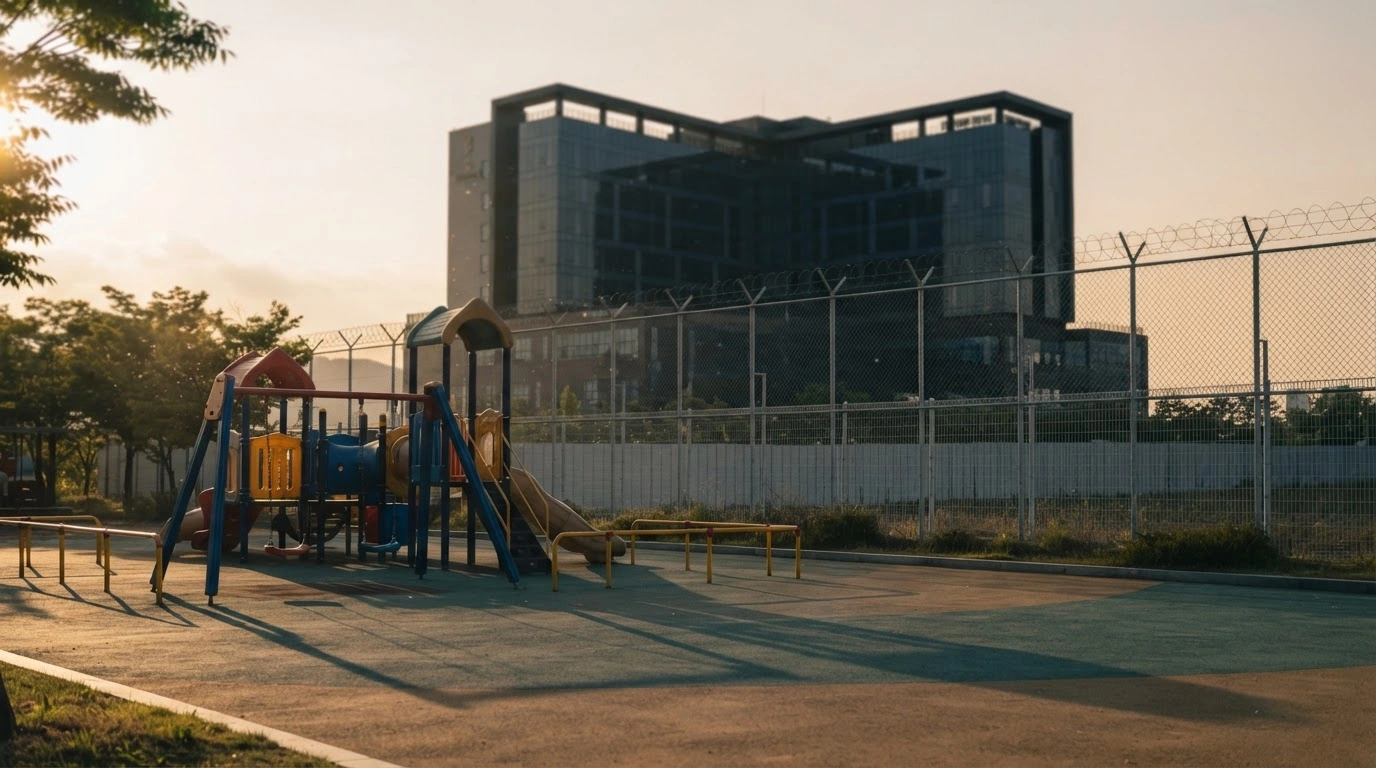
A South Korean appellate court has upheld the rejection of a proposed foreigner-only casino in Cheongju. The ruling maintains that the project's proximity to local schools violates educational environment protection laws, prioritizing student welfare over commercial development in the region.
Hyundai Motor Group Appoints Uni Hong to Lead Energy and Hydrogen Business
Hyundai Motor Group has appointed Uni Hong as Executive Vice President to head its Energy and Hydrogen Business Division. This strategic move is designed to accelerate the company's global hydrogen initiatives and strengthen its leadership in sustainable energy solutions as part of its long-term commitment to a hydrogen-powered society.
Two Crew Members Killed in Engine Room Fire Aboard Tanker Near Incheon
Two crew members have died following a fire in the engine room of an oil products tanker off the coast of Incheon, South Korea. The Korea Coast Guard responded to the incident, which occurred while the vessel was navigating near Jawol Island. Authorities have launched an investigation into the cause of the fatal blaze.
Two Crew Members Killed in Engine Room Fire Aboard Tanker Near Incheon
Two crew members have died following a fire in the engine room of an oil products tanker off the coast of Incheon, South Korea. The Korea Coast Guard responded to the emergency, successfully extinguishing the blaze and rescuing the remaining crew. An investigation into the cause of the incident is currently underway.
South Korea Exports Maintain Upward Momentum in August Driven by Semiconductor Demand
South Korea's export sector continues to demonstrate strong growth in August, fueled by sustained global demand for AI-related semiconductors. Data from the Ministry of Trade, Industry and Energy indicates a consistent upward trend, reinforcing the nation's position as a key player in the global technology supply chain and supporting overall economic recovery.
US, South Korea, and Japan Announce Upcoming Trilateral Military Exercises
The United States, South Korea, and Japan have finalized plans for a new trilateral military exercise scheduled for September. The drills aim to bolster regional security and enhance interoperability among the three nations in response to evolving nuclear and missile threats from North Korea, marking a continued commitment to deepening defense cooperation in the Indo-Pacific.
US Military Cancels Ssang Yong Exercise Amid Global Force Reallocation
The United States has canceled the Ssang Yong joint amphibious landing exercise with South Korea. The decision follows a strategic shift in military resources necessitated by ongoing operations in the Middle East, impacting the planned training schedule between the two allied nations.
South Korean Markets Diverge as Chipmakers Lift KOSPI Amid KOSDAQ Slide
The South Korean stock market saw a notable divergence as the KOSPI index climbed, driven by strong gains in major semiconductor stocks. Conversely, the tech-heavy KOSDAQ index faced a significant downturn, reflecting a split performance across the nation's primary equity exchanges.
US and South Korea Shorten Ulchi Freedom Shield Exercises Following Directive
The United States and South Korea have reached an agreement to significantly reduce the duration of the Ulchi Freedom Shield military exercises. The decision to shorten the drills by nearly half follows a directive from President Donald Trump, marking a notable shift in the scale of the long-standing joint military cooperation between the two nations.
South Korea Enters Final Season of Legal Dog Meat Trade Ahead of Nationwide Ban
South Korea is observing its final peak season for the legal dog meat trade. A landmark law passed in early 2024 mandates a complete nationwide ban on the breeding, slaughter, and sale of dog meat for human consumption, with full enforcement set to begin in 2027 following a grace period.
Busan Court Sentences Man to Prison for Staged Car Accident Insurance Fraud
A Busan District Court has sentenced a man in his 20s to 10 months in prison for orchestrating staged traffic accidents to illegally obtain insurance payouts. The defendant committed multiple fraudulent acts, highlighting ongoing efforts by South Korean authorities to combat organized insurance crimes and protect the integrity of the national insurance system.
South Korea Faces Record-Breaking Heatwave Amid Rising Casualties and Agricultural Loss
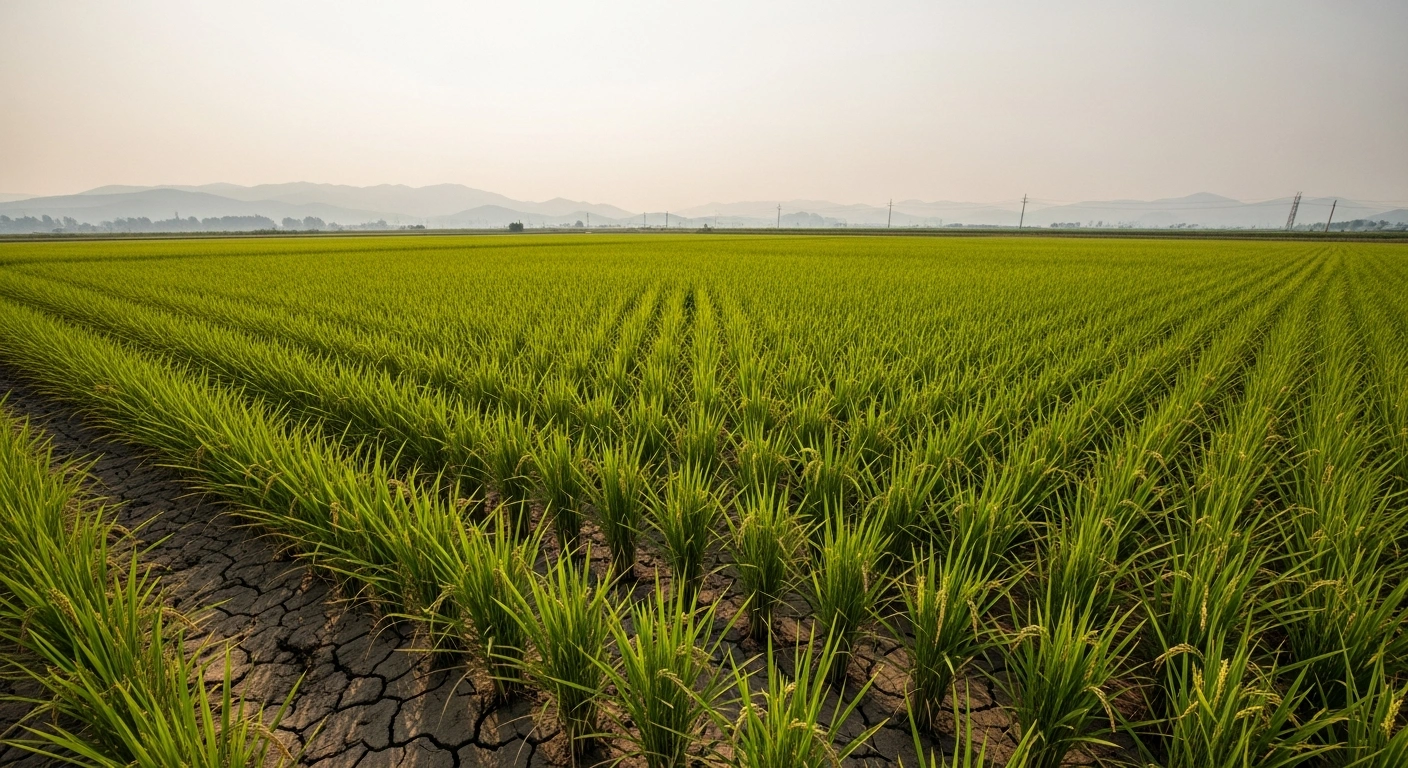
South Korea is grappling with an intense, prolonged heatwave that has triggered nationwide warnings. The extreme temperatures have resulted in multiple heat-related fatalities and significant damage to the agricultural sector, as authorities struggle to manage the impact of the record-breaking weather conditions across the country.
SK Hynix Evaluates Strategic Options for Chongqing Semiconductor Facility
South Korean semiconductor giant SK Hynix is reportedly reviewing strategic options for its manufacturing plant in Chongqing, China. The company is considering various paths, including a potential stake sale, as it adjusts its global production footprint amid shifting market conditions and evolving international trade regulations in the semiconductor industry.
SK Hynix Evaluates Strategic Options for Semiconductor Facility in Chongqing
South Korean semiconductor giant SK Hynix is reportedly reviewing the future of its manufacturing plant in Chongqing, China. The company is exploring various strategic options, including a potential stake sale, as it adjusts its global production footprint amid shifting market dynamics and evolving international trade regulations in the semiconductor industry.
Private Equity Firm VIG Partners to Acquire South Korean Aerospace Supplier
South Korean private equity firm VIG Partners has reached an agreement to acquire a majority stake in ASTK, a prominent aerospace component manufacturer. The deal, valued at approximately $300 million, strengthens VIG's portfolio in the global aviation supply chain, which serves major industry players including Boeing and Airbus.
South Korea Moves to End Private Equity Self-Valuation Practices
South Korean financial regulators are implementing stricter oversight on private equity funds by mandating independent asset valuations. The move aims to eliminate self-valuation practices, enhance market transparency, and protect investors by ensuring that fund assets are assessed by qualified third-party entities rather than the fund managers themselves.