Temporary Workers in Germany See Wage Increase Following Minimum Rate Adjustment
A mandatory increase in the minimum hourly wage for temporary workers in Germany has officially taken effect. The adjustment, which represents a 2.5% rise across the sector, aims to align compensation with broader economic shifts and collective bargaining agreements within the German labor market.
Temporary Workers in Germany See Wage Increase Following Minimum Rate Adjustment
A mandatory increase in the minimum hourly wage for temporary workers in Germany has officially taken effect. The adjustment, which represents a 2.5% rise, impacts hundreds of thousands of employees across the sector as part of ongoing efforts to align pay scales with broader economic developments in the German labor market.
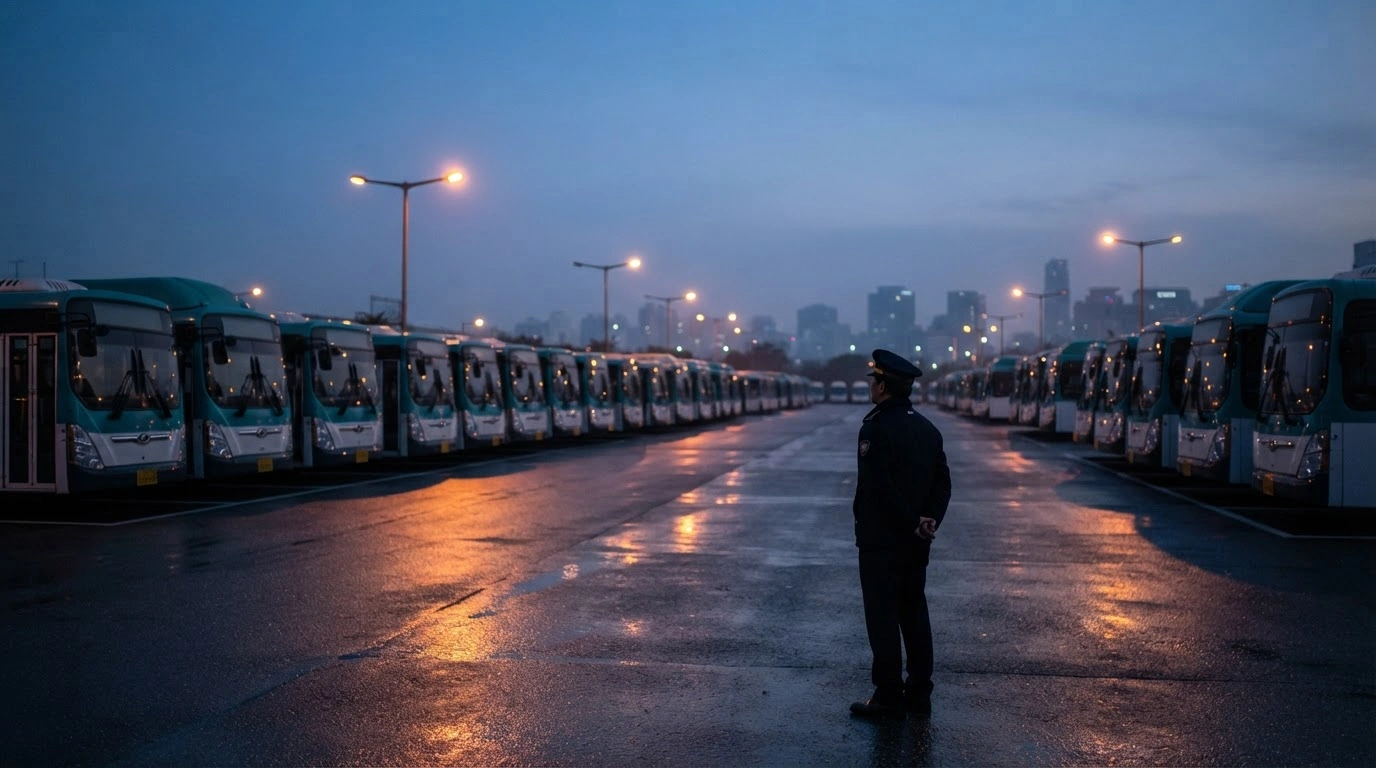
Seoul Bus Union Votes to Strike Amid Wage Negotiations
Unionized bus drivers in Seoul have voted overwhelmingly to initiate a strike following a breakdown in wage negotiations. The potential work stoppage threatens to disrupt public transportation for millions of commuters as the union demands significant pay increases and improved working conditions from the Seoul Bus Transport Business Association.
Greek Government Outlines Wage and Pension Increases Following Thessaloniki Fair
The Greek government has unveiled a series of economic measures, including planned increases for pensions and the minimum wage. Announced following the Thessaloniki International Fair, these initiatives aim to support household incomes and address cost-of-living challenges as part of the nation's ongoing fiscal strategy.
United States Observes Labor Day to Honor American Workforce
The United States celebrated Labor Day on September 7, 2026, a federal holiday dedicated to recognizing the social and economic achievements of American workers. Observed annually on the first Monday in September, the day serves as a national tribute to the contributions of the labor movement to the strength, prosperity, and well-being of the country.
Japan's Minimum Wage Increases Surpass Government Targets in 33 Prefectures
For the current fiscal year, Japan has seen minimum wage hikes exceed government-set targets in 33 prefectures. Driven by labor shortages and persistent inflation, these increases reflect a broader effort to boost domestic consumption and support workers amid rising living costs, with many regions opting for raises higher than initially recommended by advisory panels.
Canada Implements Higher Financial Requirements for International Students
Canada has officially increased the cost-of-living financial requirement for international students applying for study permits. The new threshold, which replaces a long-standing requirement, is designed to ensure students are better prepared for the financial realities of living in Canada and to protect them from vulnerability.
Study Finds Spain's 2021 Labour Reform Reduced Overqualification Gap
A recent study highlights that Spain's 2021 labour market reform has effectively narrowed the overqualification gap between temporary and permanent employees. By promoting stable employment, the reform has improved job quality and alignment between worker skills and job requirements, marking a significant shift in the Spanish labour landscape.
The Slovak government has officially confirmed an increase in the national minimum wage, which is set to rise to 972 euros per month in 2027. This adjustment follows a scheduled increase to 915 euros in 2026, reflecting the country's ongoing efforts to align wage growth with economic indicators and legislative frameworks for labor compensation.
South Korea Proposes Extending Income Tax Exemptions for Regional SME Workers to Ten Years
The South Korean government has announced plans to extend income tax exemptions for workers at small and medium-sized enterprises (SMEs) located in regional areas to ten years. This policy initiative aims to address regional economic disparities, encourage talent retention outside the capital, and support the growth of local businesses across the country.
U.S. Department of Labor Recovers Over $613,000 in Back Wages for Minnesota Restaurant Workers
The U.S. Department of Labor has recovered $613,466 in back wages and damages for 156 employees of a Minnesota restaurant chain. A federal investigation found that the employer violated the Fair Labor Standards Act by failing to pay proper overtime and minimum wages, as well as mismanaging tip pools.
Argentina Faces Persistent Challenges with High Levels of Informal Employment
Recent economic data highlights a significant labor market challenge in Argentina, where over nine million workers are employed in the informal sector. This persistent issue reflects broader economic instability, impacting social security coverage and worker protections across the nation as policymakers seek strategies to integrate these individuals into the formal economy.
Japan Enters Final Negotiations for Fiscal 2026 Minimum Wage Increase
Labor and management representatives in Japan are engaged in final-stage discussions to determine the national minimum wage for fiscal 2026. The talks, overseen by a Ministry of Health, Labour and Welfare advisory panel, aim to balance rising living costs with the economic sustainability of small and medium-sized enterprises across the country.
European Commission Proposes €3.2 Million Aid for Displaced Automotive Workers in Galicia
The European Commission has proposed mobilizing €3.2 million from the European Globalisation Adjustment Fund for Displaced Workers to assist 671 former automotive sector employees in Galicia, Spain, following significant job losses in the region.
Japan Reaches Cross-Party Agreement on New Income-Linked Benefit System for Fiscal 2029
Japan's ruling and opposition parties have secured a broad agreement to implement a new income-linked cash benefit system by fiscal 2029. The initiative aims to address social security sustainability and provide targeted support for low-income households, marking a significant shift in the nation's welfare policy framework as it prepares for long-term demographic challenges.
University of Chicago Press Employees Vote to Join Chicago News Guild
Employees at the University of Chicago Press have voted to unionize, forming the largest bargaining unit within the Chicago News Guild. The move follows a successful organizing campaign aimed at addressing workplace conditions and securing collective bargaining rights for staff at the prestigious academic publishing house.
Czech Government Announces Minimum Wage Increase to CZK 24,900 for 2025
The Czech government has approved a plan to raise the national minimum wage to CZK 24,900 starting in 2025. This adjustment is part of a broader strategy to increase the minimum wage to 47% of the average wage by 2028, aiming to improve living standards while balancing economic stability and labor market competitiveness in the Czech Republic.
Australian Government Mandates 'Payday Super' to Boost Retirement Savings
Australia is implementing 'Payday Super' reforms, requiring employers to pay employee superannuation contributions at the same time as their regular wages. This legislative change aims to reduce unpaid superannuation, improve retirement outcomes for workers, and enhance the tracking of contributions across the Australian workforce.
Belgian Parliament Approves Budget Package Including 'Centenindex' Wage Reform
The Belgian federal parliament has passed a new budget package that introduces the 'centenindex' system. This measure aims to limit the automatic indexation of wages and social benefits for higher earners, marking a significant shift in Belgium's long-standing wage-setting mechanism as part of broader fiscal consolidation efforts.
General Strike Disrupts Services Across Italy on June 25
A nationwide general strike in Italy on June 25 has caused widespread disruption to public transport, healthcare, and other essential services. Organized by major labor unions, the industrial action aims to protest government economic policies, focusing on demands for higher wages, improved working conditions, and measures to address the rising cost of living.