French Authorities Recover Stolen Renoir Paintings Following DNA Breakthrough
French investigators have successfully recovered two stolen paintings by Pierre-Auguste Renoir. The breakthrough came after forensic analysis identified DNA evidence on a protective cover left at the scene, leading to the arrest of several suspects involved in the theft.
Vienna Hosts 26th EURETINA Congress to Advance Retinal Care
The 26th Congress of the European Society of Retina Specialists (EURETINA) is underway in Vienna, Austria. Running from October 1 to October 4, 2026, the event gathers global experts to discuss the latest innovations, clinical research, and surgical techniques in the field of retinal medicine and vitreoretinal surgery.
Nepal Police Hospital Launches DNA Profiling to Identify Flood Victims
The Nepal Police Hospital has launched a specialized DNA profiling initiative to identify victims of recent devastating floods. By utilizing forensic science, authorities aim to provide closure to families and ensure the accurate identification of deceased individuals recovered from affected regions across the country.
Nepal Police Hospital Launches DNA Profiling to Identify Flood Victims
The Nepal Police Hospital has begun specialized DNA profiling to identify victims of recent devastating floods. This critical forensic effort aims to assist families in claiming remains by matching genetic samples, as authorities work to manage the high volume of casualties caused by the severe weather events across the country.
Chinese Researchers Develop Innovative Self-Exercising Muscle Grafts
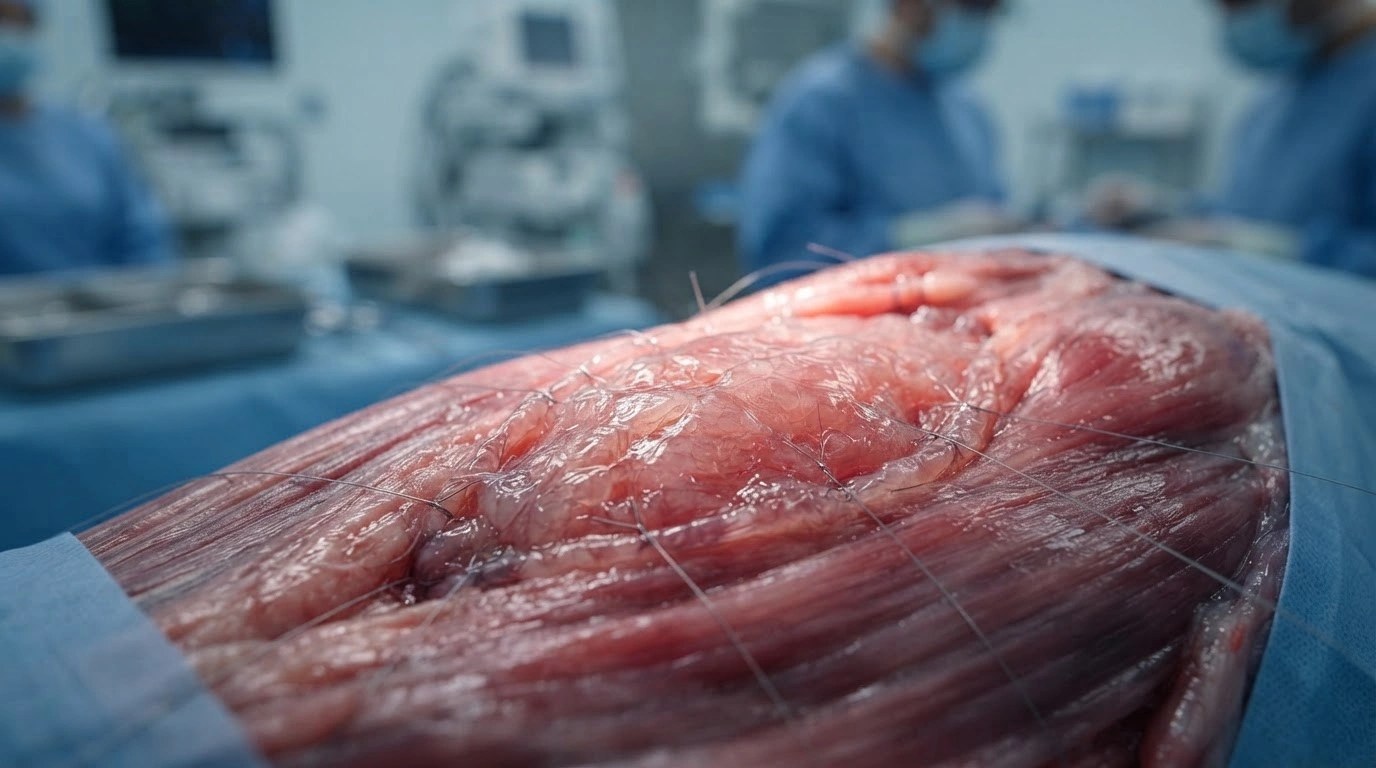
Scientists in China have engineered a novel type of self-exercising muscle graft designed to accelerate recovery and improve integration. By incorporating bio-inspired materials, these grafts can mimic natural muscle contractions, offering a promising new approach for treating severe muscle injuries and promoting functional tissue regeneration in clinical applications.
Austrian Researchers Report Initial Findings on Ultrahypofractionated Radiotherapy for Prostate Cancer
A nationwide prospective registry in Austria has released initial results regarding linac-based ultrahypofractionated radiotherapy for prostate cancer. The study evaluates the efficacy and safety of this accelerated treatment approach, providing critical data on patient outcomes and toxicity profiles in a real-world clinical setting across the country.
NIH Rescinds Research Grants at Emory and University of Pittsburgh
The National Institutes of Health has terminated federal research grants awarded to Emory University and the University of Pittsburgh. The decision, which impacts ongoing studies related to Alzheimer's disease and brain health, has prompted significant concern among the scientific community regarding the future of federally funded medical research.
České Budějovice Hospital Becomes First in Czech Republic to Use AI and Augmented Reality in Brain Surgery
The Hospital in České Budějovice has achieved a medical milestone by becoming the first facility in the Czech Republic to integrate augmented reality and artificial intelligence into neurosurgical procedures. This advanced technology assists surgeons with enhanced visualization, aiming to improve precision and patient outcomes during complex brain operations.
Chinese Scientists Achieve Breakthrough in Clonal Hybrid Rice Technology
Researchers in China have successfully developed a method for clonal reproduction in hybrid rice. By enabling hybrid vigor to be passed down through seeds, this innovation addresses a long-standing challenge in agriculture, potentially stabilizing crop yields and reducing costs for farmers by allowing them to replant hybrid seeds directly.
Purdue-Led Consortium Secures $160 Million NSF Grant for Musculoskeletal Research Hub
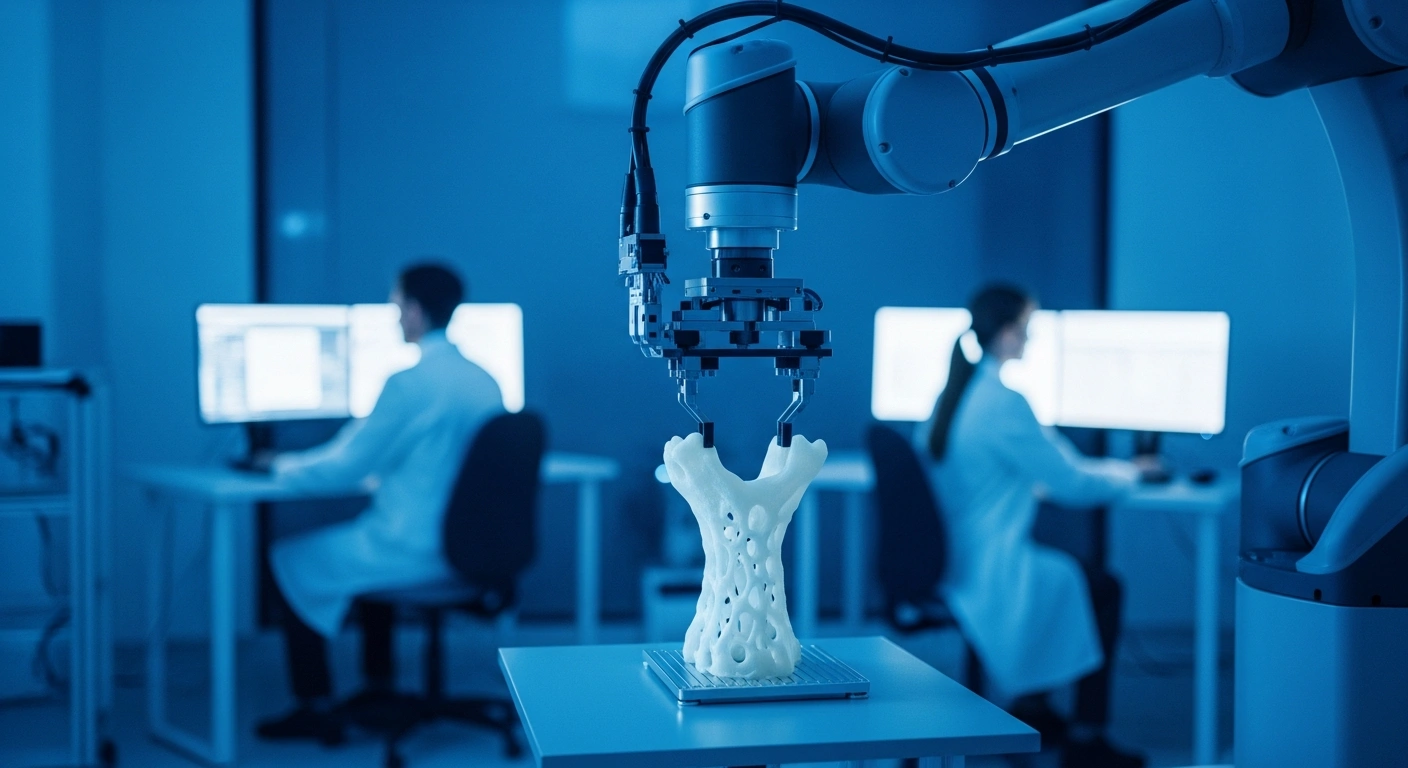
A Purdue University-led consortium has been awarded a $160 million grant from the National Science Foundation to establish a groundbreaking musculoskeletal research hub in Indiana. The initiative aims to advance regenerative medicine and medical device innovation, positioning the state as a leader in health technology and patient care solutions.
TolerogenixX Receives European Orphan Drug Designation for Kidney Transplantation Therapy
The European Commission has granted Orphan Drug Designation to TolerogenixX for its innovative cell-based therapy aimed at preventing rejection in kidney transplant patients. This regulatory milestone recognizes the potential of the German biotech company's lead candidate to address significant unmet medical needs in transplantation medicine.
Australian Medical and Science Groups Raise Concerns Over R&D Tax Incentive Changes
Leading Australian medical and science organizations have expressed significant concern regarding proposed changes to the Research and Development Tax Incentive. Industry experts warn that the adjustments could stifle innovation and negatively impact the country's life sciences sector, potentially hindering critical medical research and development projects.
LIST Researcher Awarded €2.5 Million ERC Advanced Grant for Pioneering Research
The Luxembourg Institute of Science and Technology (LIST) has announced that researcher Dr. Jorge Gonçalves has been awarded a prestigious €2.5 million ERC Advanced Grant. This funding will support his groundbreaking work in systems biology, specifically focusing on the development of new computational methods to understand complex biological networks and cellular decision-making processes.
Japanese Startup Heartseed Advances Clinical Trial for iPS Cell-Derived Heart Therapy
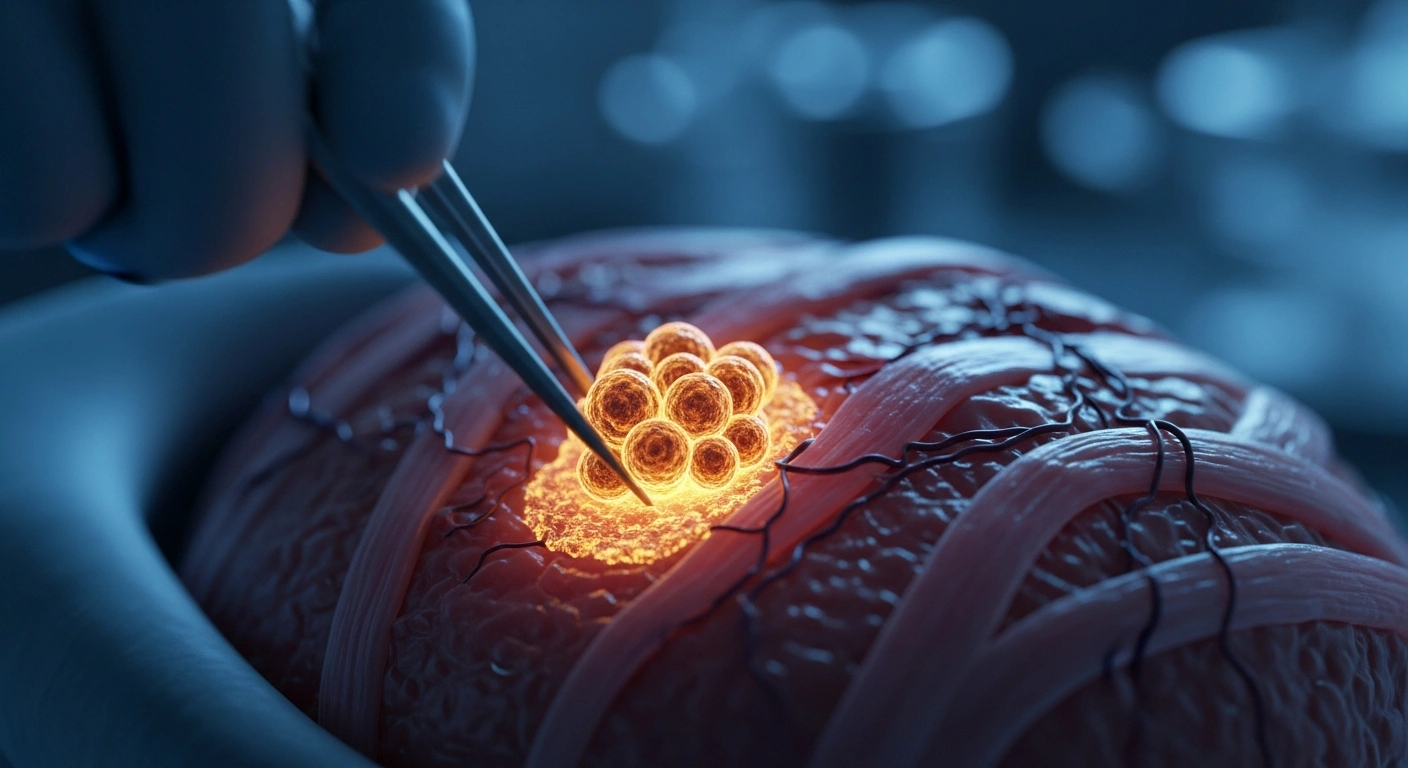
Tokyo-based startup Heartseed has initiated a clinical trial in Japan using iPS cell-derived cardiac muscle cells to treat severe heart failure. The study aims to evaluate the safety and efficacy of transplanting these specialized cells directly into damaged heart tissue, marking a significant step in regenerative medicine for cardiovascular disease.
Chinese Researchers Successfully Clone High-Yield Dairy Goats
Scientists at Northwest A&F University in China have successfully cloned six high-yield dairy goats. This achievement, utilizing somatic cell nuclear transfer technology, aims to enhance agricultural productivity by replicating superior genetic traits in livestock, marking a significant advancement in Chinese animal breeding research.
China Conducts Stem Cell Research on Tiangong Space Station
China has launched mouse embryonic stem cells to the Tiangong space station to study the effects of microgravity on early mammalian development. This experiment, conducted by the Chinese Academy of Sciences, aims to provide insights into how space environments influence cellular differentiation and human health during long-term space missions.
Argentine Government Appoints María Eugenia Nicolotti to Lead Genetic Data Registry
The Argentine government has appointed María Eugenia Nicolotti as the interim director of the National Registry of Genetic Data Linked to Criminal Investigation. This move comes as part of ongoing efforts to strengthen the country's forensic capabilities and streamline the use of genetic evidence in judicial processes.
Researchers at Stanford University have engineered a novel, compact optical amplifier capable of boosting light signals with significantly reduced power consumption. This advancement, which utilizes a unique material platform, could pave the way for more efficient data transmission in telecommunications and integrated photonic circuits.
Australian TGA Approves Waylivra (volanesorsen) for Familial Chylomicronemia Syndrome
The Australian Therapeutic Goods Administration (TGA) has granted approval for the medicine Waylivra, known generically as volanesorsen, to treat patients with familial chylomicronemia syndrome (FCS). This rare, genetic condition causes extremely high levels of triglycerides in the blood, significantly increasing the risk of acute pancreatitis.
Berlin Expands Medical Research Capabilities with Opening of Si-M and Becat Centers
Berlin has strengthened its position as a hub for medical innovation with the opening of the Si-M (Der Simulierte Mensch) and Becat (Berlin Center for Advanced Therapies) research centers. These facilities aim to accelerate the development of new therapies for previously incurable diseases by fostering interdisciplinary collaboration between science, medicine, and industry.