Hampshire Police Implement Temporary Mask Ban During Portsmouth Protests
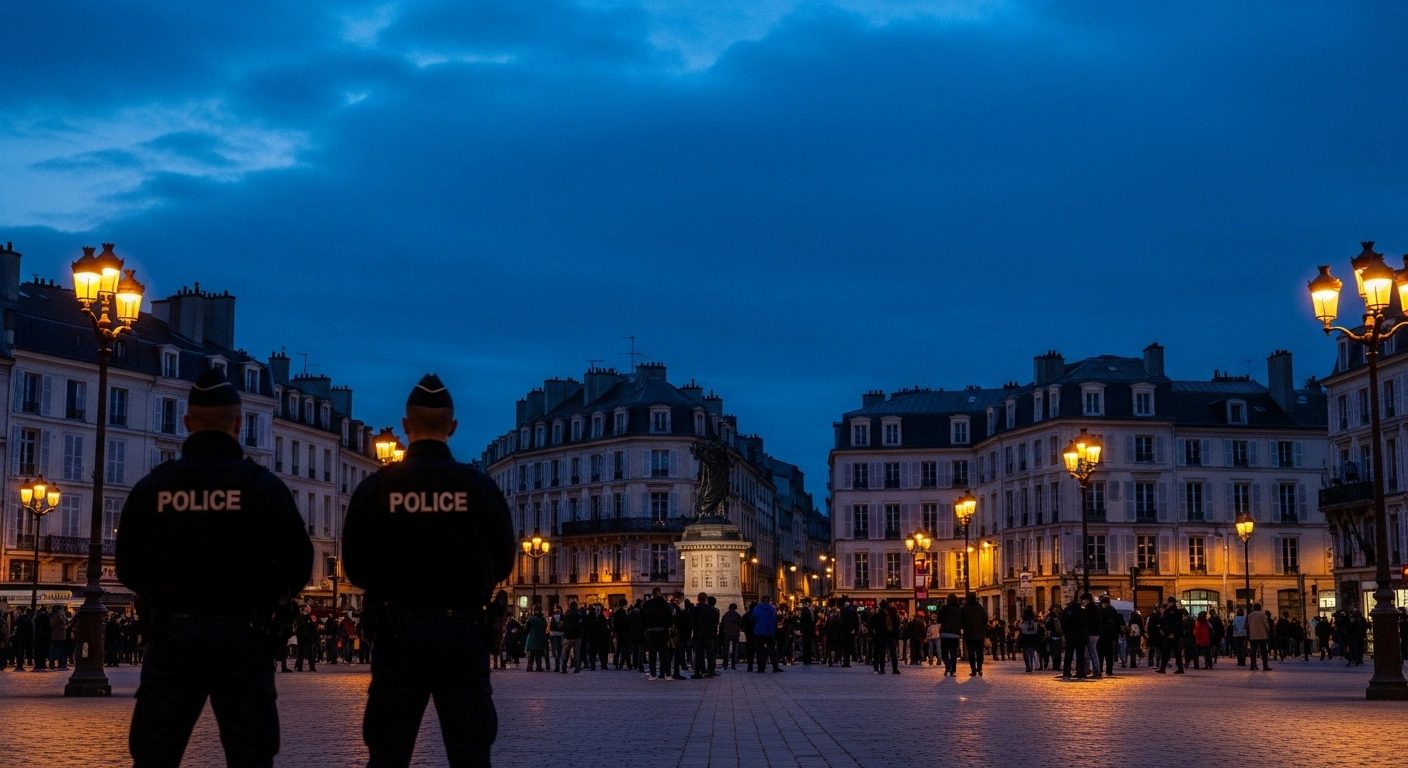
Hampshire and Isle of Wight Constabulary utilized Section 60AA powers in Portsmouth to prohibit the wearing of face coverings intended to conceal identity during protests. The measure, authorized under the Criminal Justice and Public Order Act 1994, aimed to maintain public safety and assist officers in identifying individuals involved in potential criminal activity.
Deutsche Bahn Implements Alcohol Consumption Restrictions at German Railway Stations
Starting September 1st, Deutsche Bahn is introducing new measures to enhance safety and security across its network. As part of a broader initiative, the railway operator is implementing restrictions on alcohol consumption at major stations in Germany, aiming to improve the travel environment for passengers and staff alike.
Liquid Market Festival Returns to Vienna's Otto-Wagner-Areal
The Liquid Market festival, Austria's premier celebration of bar culture and mixology, has officially opened its three-day event at the historic Otto-Wagner-Areal in Vienna. Attendees can explore a diverse array of spirits, cocktails, and culinary pairings from top industry professionals.
Intoxicated Individual Taken into Custody Following Harassment in Niederfeulen
Grand Ducal Police in Luxembourg intervened in Niederfeulen after reports of a man harassing passersby. The individual, who was found to be in a state of severe intoxication, was placed into protective custody to ensure public safety and prevent further disturbances.
Monaco Implements Stricter Fire Safety Regulations for Hospitality Venues
The Principality of Monaco has introduced new fire-safety measures prohibiting the use of naked flames in nightlife and hospitality establishments. The regulation, which targets items such as candles and sparklers, aims to enhance public safety and reduce fire risks in crowded venues across the city-state.
Russia Suspends Sale of Over 70,000 Bottles of Armenian Beverages via Chestny Znak System
Russian authorities have blocked the sale of more than 70,000 bottles of Armenian water and soft drinks. The suspension, enforced through the 'Chestny Znak' digital tracking system, follows identified safety violations and non-compliance with established quality standards in the Russian Federation market.
German Brewing Industry Faces Continued Consolidation Amid Declining Sales
Official data from Germany reveals a persistent decline in the nation's brewing sector, with 53 breweries closing over the past year. The industry continues to grapple with shifting consumer habits and falling beer sales, marking a long-term trend of consolidation within the historic German market.
Poland Proposes Stricter Penalties for Violating Drunk Driving Bans
The Polish Ministry of Justice has introduced legislative proposals aimed at curbing recidivism among drunk drivers. The new measures seek to mandate prison sentences for individuals who operate vehicles despite court-imposed driving bans, reinforcing Poland's ongoing efforts to improve road safety and enforce judicial consequences for traffic offenses.
Poland Proposes Stricter Penalties for Violating Drunk Driving Bans
The Polish Ministry of Justice has introduced legislative proposals aimed at curbing recidivism among drunk drivers. The new measures seek to mandate imprisonment for individuals who operate vehicles despite court-imposed driving bans, marking a significant escalation in the country's efforts to improve road safety and enforce judicial rulings.
The Luxembourg Veterinary and Food Administration (ALVA) has issued a formal recall for Pizzolato alcohol-free spritz. Consumers are advised not to consume the product due to a potential risk of glass breakage within the bottles. The recall affects specific batches distributed across the country as a precautionary measure to ensure public safety.
French Authorities Enforce Security Measures in Nantes and Saint-Nazaire for World Cup Playoff
Authorities in the French cities of Nantes and Saint-Nazaire have implemented strict security measures ahead of the World Cup third-place playoff. The restrictions, which include bans on weapons, fireworks, and certain glass containers, aim to ensure public safety and maintain order during the high-profile football event.
Brazilian Supreme Court Imposes 30-Day Visitor Ban on Former President Jair Bolsonaro
The Brazilian Supreme Court has ordered a 30-day suspension of all visits to former President Jair Bolsonaro. The ruling, which restricts access to legal and medical personnel only, comes as part of ongoing judicial investigations involving the former leader. This measure aims to maintain the integrity of the legal proceedings currently underway in Brazil.
Icelandic Court Ruling Reignites Debate Over Online Alcohol Sales
A recent ruling by the District Court of Reykjavík has intensified the debate over online alcohol sales in Iceland. The decision challenges the long-standing monopoly held by the state-owned retailer, ÁTVR, prompting calls for legislative reform and raising questions about the future of alcohol distribution and digital commerce regulations within the country.
Bangladesh Authorities Issue Warning Against Broadcasting Statements by Former PM Sheikh Hasina
Bangladesh authorities have issued a stern warning to media outlets, prohibiting the broadcast or publication of statements by former Prime Minister Sheikh Hasina. The directive follows a court-imposed ban, with officials citing legal restrictions and potential risks to public order as the primary reasons for the enforcement of this measure.
Brazil Launches Campaign to Combat Domestic Violence Linked to Soccer Matches
The Brazilian government has introduced a new awareness campaign targeting the rise in domestic violence against women during soccer matches. The initiative focuses on the correlation between alcohol consumption and gender-based violence, aiming to promote safer environments for women both inside and outside stadiums across the country.
French Administrative Court Overturns Ban on La France Insoumise Concert
A French administrative court has overturned a police ban on a concert organized by the political party La France Insoumise in Paris. The prefecture had initially prohibited the event, citing public order concerns, but the court ruled that the ban constituted a disproportionate infringement on the freedom of assembly and expression.
Denmark Records Continued Decline in Retail Alcohol Sales
Statistics Denmark has reported a sustained downward trend in retail alcohol sales across the country. Data for 2025 indicates that the average annual consumption per adult has fallen to 8.8 liters of pure alcohol, reflecting ongoing shifts in consumer behavior and public health trends within the Danish population.
Nepal Tea Factories in Ilam Halt Operations Over Indian Export Testing Requirements
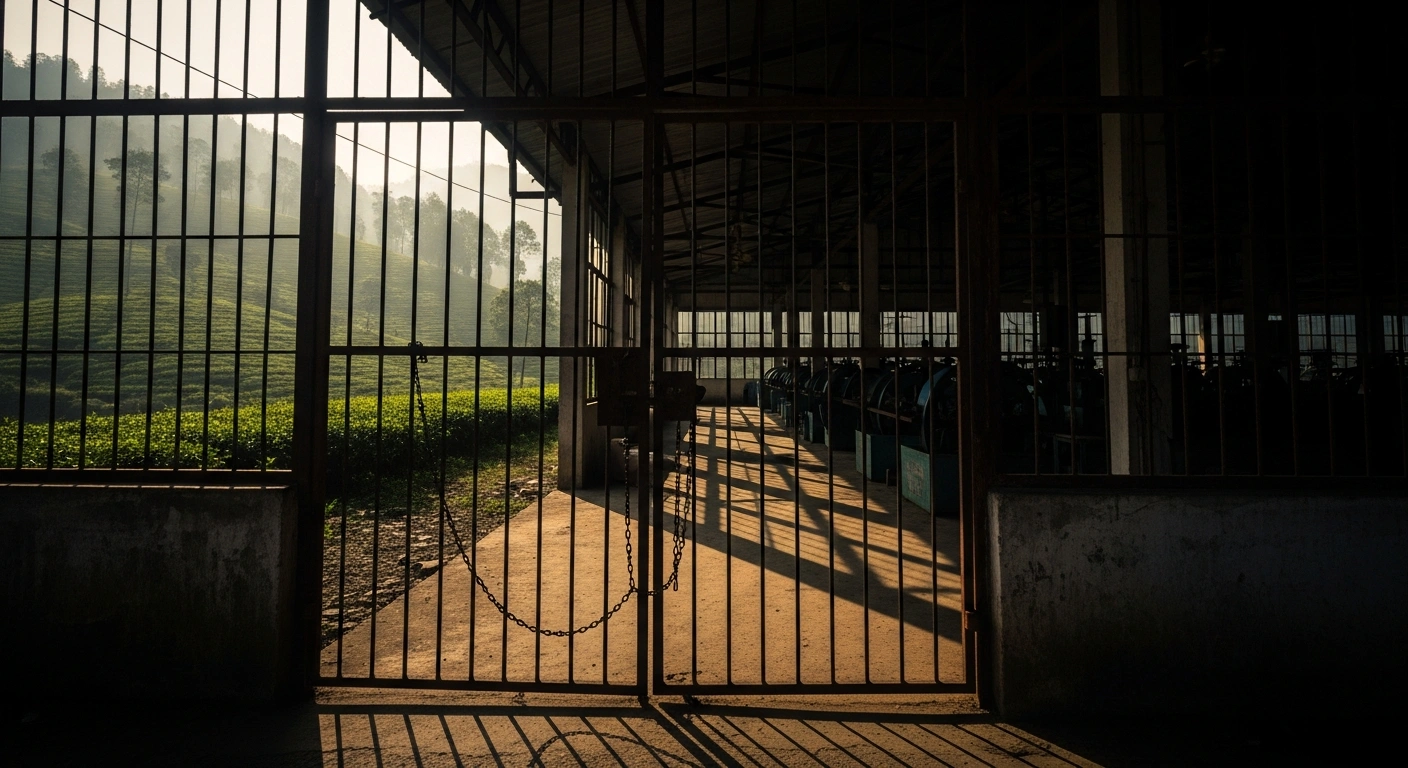
Tea factories in Ilam, Nepal, have announced a suspension of operations effective June 15. The shutdown is a response to new, stringent testing requirements imposed by Indian authorities on tea exports, which have led to significant shipment delays and logistical challenges for producers relying on the Indian market.
Russia Imposes Export Ban on Aviation Fuel Through November 2026
The Russian government has implemented a temporary ban on the export of aviation fuel, effective until November 30, 2026. This measure is designed to maintain stability in the domestic fuel market and ensure sufficient supply for internal demand amid ongoing economic and logistical challenges.
Pietermaritzburg High Court Restrains Inkosi Langalibalele Mayor Over Shop Inspections
The Pietermaritzburg High Court has issued an interdict against the Mayor of Inkosi Langalibalele Local Municipality, prohibiting him from entering foreign-owned businesses without legal authority or inciting violence against shop owners. The ruling follows allegations of intimidation and unauthorized inspections conducted by the mayor in the KwaZulu-Natal region.